

Does your closet feel out of control no matter how often you clean it? You fold clothes, stack shoes, and hang items neatly — only to find it messy again a week later. If this sounds familiar, you are not alone.
Closets become cluttered because they lack systems, not because you lack effort. The good news is that once you learn how to organize a closet the right way, you can create a setup that stays tidy long term.
In this complete guide, you will learn step-by-step strategies to declutter, design, and maintain a closet that works for your daily routine. Whether you have a small reach-in closet or a large walk-in space, these tips will help you maximize storage and reduce stress.
Step 1: Empty Everything Out
The first step in learning how to organize a closet is starting with a clean slate. Remove everything from the closet — yes, everything.
Lay items out on your bed or floor so you can see exactly what you own. This process may feel overwhelming at first, but it helps you make better decisions.
As you remove items, separate them into categories:
- Shirts
- Pants
- Dresses
- Jackets
- Shoes
- Accessories
- Bags
- Seasonal items
Seeing everything in one place often reveals how much you truly have.
Step 2: Declutter With Purpose
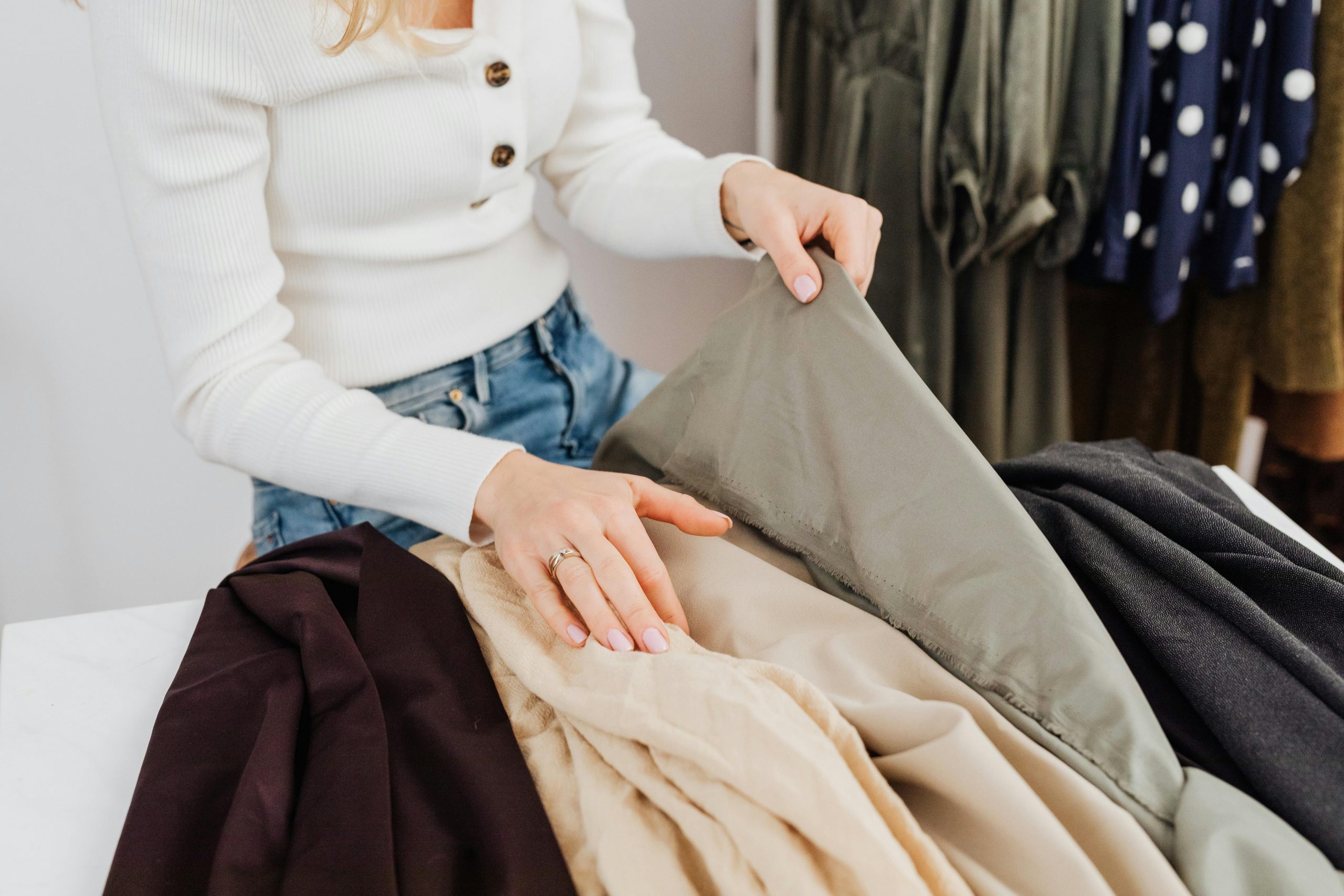
A tidy closet begins with fewer items. If your closet always feels cramped, it may simply hold too much.
Ask yourself:
- Have I worn this in the past year?
- Does this fit comfortably?
- Is it damaged beyond repair?
- Does it match my current lifestyle?
Create three piles:
- Keep
- Donate
- Discard
Be honest. Keeping items “just in case” often leads to overcrowding.
Decluttering reduces visual stress and gives your closet room to breathe.
Step 3: Clean and Prepare the Space
Before putting anything back, take time to clean the closet.
- Dust shelves
- Vacuum or mop the floor
- Wipe down rods and walls
- Check for loose hardware
This step makes your closet feel fresh and gives you a motivating reset.
If needed, consider small upgrades like:
- Adding fresh paint
- Installing better lighting
- Replacing outdated rods
A well-lit closet feels more organized and inviting.
Step 4: Design a Closet Layout That Works
Now that your closet is empty, think about function.
A well-organized closet uses zones.
Create sections for:
- Everyday clothing
- Work or formal wear
- Seasonal clothing
- Accessories
- Shoes
Keep frequently worn items at eye level. Store seasonal or rarely used items higher up or lower down.
If you share a closet, divide space evenly and clearly.
Step 5: Use Smart Storage Solutions
Adding the right storage tools makes a big difference.
Here are effective solutions:
Matching Hangers
Uniform hangers:
- Save space
- Prevent slipping
- Create a clean look
Slim velvet hangers are especially helpful in small closets.
Shelf Dividers
Shelf dividers prevent stacks of clothes from toppling over.
Drawer Units
If your closet lacks drawers, add small drawer organizers for:
- Socks
- Undergarments
- Belts
- Accessories
Storage Bins
Use labeled bins for:
- Seasonal scarves
- Hats
- Workout gear
- Small accessories
Clear bins allow you to see what’s inside.
Step 6: Maximize Vertical Space
Many closets waste vertical space.
Install:
- Extra shelving above rods
- Double hanging rods
- Hanging organizers
- Wall hooks
Double rods are especially helpful. One rod can hold shirts while the lower rod holds pants or skirts.
Vertical storage is one of the most effective organization hacks for small spaces.
Step 7: Organize Clothes by Category and Color
Once items go back into the closet, group similar items together.
For example:
- All short-sleeve shirts together
- All long-sleeve shirts together
- All dresses in one section
- All jackets in another
Within each category, organize by color.
Color organization:
- Looks visually pleasing
- Makes items easier to find
- Encourages consistency
This small detail creates a boutique-style feel.
Step 8: Create a Shoe Storage Plan
Shoes often cause closet chaos.
Avoid stacking shoes randomly on the floor.
Instead, use:
- Shoe racks
- Over-the-door organizers
- Clear shoe boxes
- Shelf dividers
Store everyday shoes at eye level and occasional shoes higher up.
Keeping shoes visible but contained prevents clutter.
Step 9: Store Seasonal Items Separately
Your closet should reflect the current season.
Remove:
- Heavy coats during summer
- Sandals during winter
Store off-season clothing in:
- Under-bed bins
- Labeled containers
- Vacuum-sealed bags
Rotating items prevents overcrowding.
Step 10: Add Hooks and Small Accessories
Hooks can hold:
- Bags
- Hats
- Robes
- Jewelry
Install hooks inside doors or along empty walls.
Jewelry organizers prevent tangling and make accessories easier to see.
Step 11: Maintain a One-In, One-Out Rule
To keep your closet tidy long term, follow this simple rule:
For every new item you bring in, remove one item.
This habit prevents clutter from building up again.
Step 12: Schedule Monthly Mini-Resets
Closets require maintenance.
Once a month:
- Refold items
- Remove unused pieces
- Adjust seasonal clothing
- Reorganize if needed
These small resets prevent major messes.
Step 13: Teach the System to Everyone
If multiple people use the closet, everyone must follow the system.
Explain:
- Where items belong
- How categories are divided
- Why hangers should match
Consistency keeps the space tidy.
Common Mistakes to Avoid
When learning how to organize a closet, avoid these mistakes:
- Keeping too many clothes
- Ignoring vertical space
- Mixing categories
- Buying storage before decluttering
- Skipping maintenance
Avoiding these errors ensures long-term success.
Closet Organization for Small Spaces
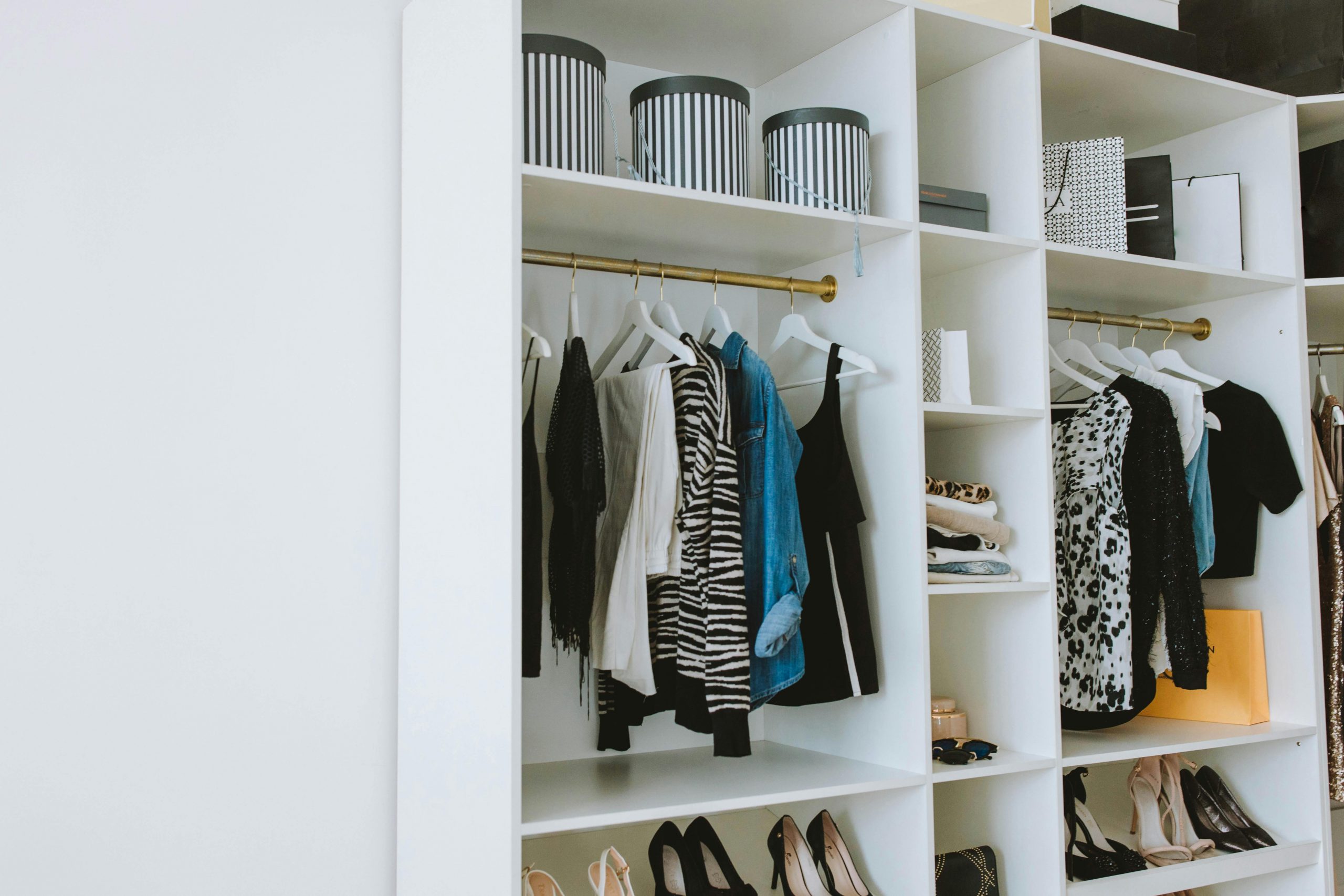
Small closets require creativity, strategy, and smart storage solutions. When space is limited, every inch matters. The goal is not just to fit everything inside, but to make the closet functional and easy to maintain. With the right approach, even a tiny reach-in closet can feel organized and surprisingly spacious.
Start by choosing tools designed specifically for compact spaces:
- Slim hangers: Bulky plastic or wooden hangers take up unnecessary space. Switching to slim velvet or thin-profile hangers can instantly free up several inches along your hanging rod. This allows you to store more clothing without overcrowding. Matching hangers also create a cleaner, more uniform look.
- Stackable bins: Instead of placing items loosely on shelves, use stackable bins to maximize vertical storage. These bins help separate categories like workout clothes, accessories, or seasonal items. Clear bins make it easy to see contents, while labeled bins keep everything organized.
- Door organizers: The back of your closet door is valuable storage space. Over-the-door organizers are perfect for shoes, scarves, belts, or small accessories. This keeps frequently used items visible and off the floor.
- Hanging shelves: Fabric or structured hanging shelf organizers attach to your closet rod and create instant shelving. They work well for folded sweaters, jeans, handbags, or shoes.
Use every inch wisely, including upper shelves and corners. Store rarely used items up high and keep daily essentials at eye level. With thoughtful planning, even the smallest closet can feel open, functional, and clutter-free.
Psychological Benefits of an Organized Closet
A tidy closet reduces stress.
You save time getting dressed, avoid frustration, and feel more confident.
Visual order creates mental clarity.
An organized closet supports smoother mornings and calmer routines.
Final Thoughts
If your closet is always a mess, it is not because you lack discipline. It likely lacks a system.
By following these steps:
- Declutter first
- Create clear zones
- Use smart storage tools
- Maintain regularly
You can build a closet that stays tidy.
Learning how to organize a closet is not about perfection. It is about creating a functional space that supports your daily life.
With thoughtful planning and consistent habits, your closet can transform from chaotic to calm — and stay that way.
A tidy closet is more than storage. It is a daily upgrade to your home and your routine.
