

A bathroom renovation can be an exciting yet overwhelming project. Whether you’re updating a tired space or completely redesigning your bathroom, knowing where to start is key to a successful renovation. The process involves many decisions, from choosing the right layout and materials to budgeting and hiring contractors. Understanding the essential steps and planning accordingly can ensure your renovation goes smoothly and meets your expectations. However, it’s easy to overlook important details during the process, and that’s where careful planning and organization come in.
Assessing Your Bathroom’s Current Condition
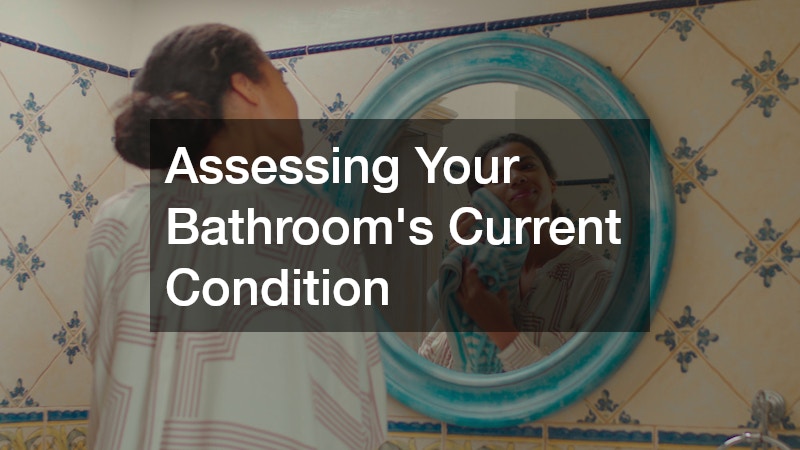
Before diving into any renovation, it’s essential to take a step back and assess your bathroom’s current condition. This first step sets the foundation for the entire project, as it allows you to identify what works, what doesn’t, and what needs to be improved. A careful evaluation helps you prioritize which areas require the most attention, whether it’s outdated fixtures, poor layout, or insufficient storage. Additionally, you’ll want to look for potential issues like leaks, mold, or structural damage that could affect the overall integrity of the space. Taking stock of these factors early on will help you avoid surprises down the road and ensure that your renovation targets the right issues.
Once you’ve assessed the overall condition of the bathroom, you can then decide what aspects of the room need the most work. For example, if the plumbing is outdated, you may want to budget for drain cleaning services or even consider replacing old pipes. The goal is to ensure that all structural and functional elements are in good working condition before moving on to cosmetic upgrades. If your bathroom is small, you may find that the layout is inefficient, which could be corrected with a reconfiguration of the space.
Setting a Realistic Budget for Your Renovation
One of the most critical components of any successful renovation is setting a realistic budget. A bathroom remodel, especially if it involves structural changes or upgrading to higher-end finishes, can become costly quickly. Establishing a clear budget at the beginning will help you manage expenses throughout the project, keeping you on track without overspending. Begin by researching average costs for labor and materials in your area to get a general sense of what the project might cost.
In the context of a bathroom renovation, your budget should include everything from demolition to finishing touches. For example, if you’re investing in custom countertops or high-end ceramic and porcelain tile, those choices will require a larger portion of the budget. Additionally, hiring experienced professionals for plumbing, electrical work, and installation is a significant factor in the cost of your remodel. When planning, it’s wise to allocate about 10-20% of your budget for unexpected expenses that could emerge during the process. Furthermore, don’t forget to review your home insurance policy to ensure that your coverage extends to any changes made during the renovation. This extra precaution will help protect your investment and give you peace of mind as your project progresses.
Planning Your Bathroom Layout and Design
The layout and design of your bathroom are fundamental elements of a successful renovation. A well-thought-out layout ensures that your space is functional, accessible, and aesthetically pleasing. Begin by considering how you want to use the space and what your priorities are. For example, if you need more storage, you might focus on cabinetry and shelving. If your bathroom is small, you may want to explore space-saving options like corner sinks or floating vanities to maximize floor space. Take the time to sketch your ideal layout and think about how you want everything to flow within the space.
Once you have a general idea of your layout, it’s time to select the design elements that will bring the space to life. Whether you’re aiming for a modern, minimalist look or a traditional, luxurious design, the materials you choose will impact both the style and functionality. For instance, if you’re installing a new shower door, think about the design and placement for easy access. Similarly, carefully choose ceramic and porcelain tile for the floors and walls, as they add both style and durability.

Choosing the Right Materials for Durability and Style
Choosing the right materials is crucial when renovating your bathroom. Not only do materials contribute to the aesthetic appeal, but they also affect the long-term durability and maintenance of your bathroom. Opting for high-quality materials ensures that your bathroom looks good and can withstand the wear and tear of daily use. For example, if you’re considering countertops, custom countertops offer both durability and a unique look. Choose materials that are resistant to moisture, stains, and wear, as bathrooms are subject to high humidity and constant use.
When selecting materials, consider both functionality and style. Durable materials such as ceramic and porcelain tile are excellent for floors, walls, and even backsplashes due to their water-resistant properties. These tiles are available in a variety of styles, so you can find an option that suits your design vision. Additionally, when selecting fixtures, consider the maintenance needs and longevity of the materials. Stainless steel, glass, and stone are not only aesthetically pleasing but also tend to last longer and require less maintenance.
Hiring the Right Contractors for Your Project
Hiring the right contractors is an essential step in ensuring the success of your bathroom renovation. Skilled professionals bring expertise and efficiency to your project, helping you avoid costly mistakes and delays. Start by researching contractors who specialize in bathroom renovations and have a proven track record in the industry. Be sure to check references, read reviews, and ask to see examples of their previous work.
Once you’ve shortlisted potential contractors, make sure to obtain multiple quotes to compare prices and services. When reviewing bids, ensure that all aspects of your project are covered, including demolition, installation of shower doors, and any plumbing or electrical work. It’s also important to confirm that the contractor is properly licensed and insured. This protects you in case of any accidents or issues during the renovation process. For flooring installation, it’s a good idea to work with a flooring contractor who can ensure that the materials are installed correctly and meet your design preferences.
Understanding the Permits and Regulations You Need
Before starting your bathroom renovation, it’s essential to understand the permits and regulations that may apply to your project. Depending on the scope of your renovation and your local jurisdiction, you may need permits for plumbing, electrical work, structural changes, or other major updates. Failing to secure the necessary permits can lead to fines, delays, or even the need to undo completed work. Therefore, it’s crucial to research what permits are required in your area and apply for them early in the process.
In some cases, the contractors you hire may handle the permitting process on your behalf, but it’s still important to confirm that all necessary paperwork is filed. Be sure to check with your local building department or consult your contractor to ensure your project complies with local codes and safety regulations. This might include meeting specific plumbing requirements or ensuring that shower door glass company installations are safe and up to code.

Selecting the Best Fixtures for Function and Aesthetics
Selecting the right fixtures is a key aspect of your bathroom renovation. Fixtures such as sinks, faucets, toilets, and lighting not only serve a practical function but also contribute significantly to the overall aesthetic of the room. It’s important to choose fixtures that align with your design vision while providing the functionality you need. When selecting items like shower doors, consider the material and style that best complements the rest of your bathroom. Frameless glass doors, for instance, offer a sleek, modern look, while framed options may offer additional durability.
You should also consider the ease of maintenance when selecting bathroom fixtures. For example, choosing a low-maintenance, easy-to-clean faucet or showerhead can save time and effort in the long run. Similarly, opt for faucets and showerheads that are water-efficient, which can help lower your water bills and contribute to a more eco-friendly bathroom. The key is to find a balance between beauty and practicality, ensuring that the fixtures you choose not only look great but also meet your daily needs and stand the test of time.
Managing the Timeline for Your Renovation
Managing the timeline for your bathroom renovation is crucial to ensure the project is completed on time and within budget. Renovations often take longer than expected, especially if you encounter unexpected challenges along the way. To stay on track, it’s important to create a detailed timeline at the beginning of the project. Factor in every stage, from demolition and plumbing work to installing custom countertops and final touches. This will help you allocate sufficient time for each task and avoid rushing through critical stages.
It’s also essential to remain flexible, as delays are common during renovations. For example, if there’s a delay in receiving materials, such as shower doors, or if an unexpected issue arises with plumbing, your timeline may need to be adjusted. Regular communication with your contractors and suppliers will help you stay informed and make necessary adjustments. To prevent major setbacks, ensure that all necessary materials are ordered well in advance and that contractors are scheduled appropriately. With a well-managed timeline and contingency plans in place, you’ll be better equipped to complete your renovation on schedule.
Navigating Plumbing and Electrical Considerations
Plumbing and electrical considerations are crucial aspects of your bathroom renovation, as they impact both the functionality and safety of the space. Before starting your renovation, it’s essential to assess the current plumbing and electrical systems to determine if any upgrades or repairs are necessary. For instance, if you’re installing a new shower door or changing the layout of the space, you may need to reroute plumbing lines or adjust electrical outlets.
Additionally, consider the efficiency and reliability of your plumbing and electrical systems. If your bathroom is equipped with outdated pipes or electrical wiring, now is the time to replace them. Upgrading to water-efficient fixtures, such as low-flow toilets or energy-efficient lighting, can also reduce your long-term utility costs. If you live in an area with hard water, you might also want to invest in a whole house water treatment system to improve water quality and prevent mineral buildup in pipes and fixtures. Plumbing and electrical work can be complex, so it’s essential to hire skilled contractors who can manage these systems effectively.

Final Touches for a Polished Bathroom Remodel
The final touches in your bathroom remodel are what turn your renovation into a fully realized space. After completing the major elements such as plumbing, electrical, and flooring, focus on adding decorative and functional details that enhance the overall look and feel. Consider installing new accessories like towel racks, mirrors, lighting, and storage solutions to complement your design. These elements will not only improve the aesthetics but also increase the practicality of the space. For example, a shower door with sleek hardware can elevate the style of the room while also improving its functionality.
Another important aspect is ensuring that all finishes are professionally done. This includes caulking around fixtures, ensuring tile work is sealed properly, and making sure the entire space is clean and free of construction debris. Additionally, be sure to properly arrange any furniture or storage items to maximize space and improve organization. The final touches are essential for creating a polished and functional bathroom that feels like a luxurious retreat. Paying attention to detail during this stage will ensure that your bathroom is not only beautiful but also a comfortable, enjoyable place to spend time. Also, consider scheduling an AC maintenance service for your home to ensure that your climate control system is working efficiently, especially if your bathroom renovation involves any changes to ventilation or air circulation. This step will ensure that your newly renovated bathroom remains comfortable year-round.
A successful bathroom renovation requires careful planning, the right materials, and skilled professionals to bring your vision to life. From assessing your current space and setting a realistic budget to navigating plumbing and electrical considerations, every step plays an essential role in ensuring a smooth and efficient renovation. By focusing on the details—such as selecting the right shower doors and custom countertops, as well as managing your timeline—you can create a bathroom that is both functional and aesthetically pleasing.
