

Upgrading the safety of your home is one of the most meaningful investments you can make as a homeowner. While aesthetic improvements often receive the most attention, practical safety enhancements provide long-term protection for your property and the people inside it. From reducing fire risks to strengthening structural elements, strategic upgrades can prevent emergencies before they occur. A safe home is not built through one major renovation but through a series of thoughtful improvements that address potential vulnerabilities inside and outside the structure.
Modern homes face a range of safety challenges, including weather exposure, electrical demands, indoor air concerns, and environmental hazards. As homes age, materials naturally wear down, systems become less efficient, and small issues can develop into serious risks. Proactive upgrades help minimize these dangers while also improving comfort and energy efficiency. Safety-focused improvements often serve multiple purposes, strengthening structural integrity while also reducing long-term maintenance costs. By approaching safety as an ongoing priority rather than a one-time task, homeowners can create a living environment that remains resilient and secure for years to come. The following sections explore specific upgrades that enhance protection, reduce hazards, and contribute to overall peace of mind.
Improving Energy Efficiency and Indoor Protection
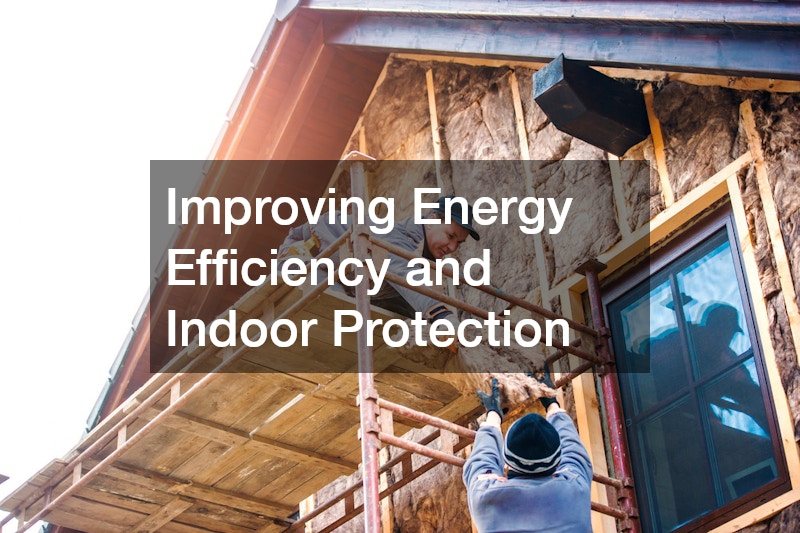
One of the most overlooked aspects of home safety is temperature regulation and moisture control. When a home struggles to maintain consistent indoor temperatures, it can create conditions that lead to mold growth, condensation, and even structural damage. Improving energy efficiency helps stabilize interior environments and reduce strain on building materials. Properly sealed walls and attics prevent drafts, protect against moisture intrusion, and lower the likelihood of damage caused by extreme weather conditions. In addition to improving comfort, these upgrades contribute to healthier indoor air quality and reduce long-term structural stress.
A key component of this improvement is upgrading insulation. High-quality insulation acts as a barrier that slows heat transfer, keeping warm air inside during winter and outside during summer. This helps prevent frozen pipes in colder climates and reduces the risk of excess humidity buildup in warmer seasons. Beyond energy savings, insulation supports fire resistance when installed with appropriate materials and techniques. By improving thermal performance and moisture control, homeowners strengthen both the safety and durability of their living space while also benefiting from lower energy costs.
Installing Advanced Fire Detection Systems
Fire safety is a critical priority in any home, as even small electrical or cooking incidents can escalate rapidly. Early detection plays a significant role in preventing serious damage and protecting occupants. Modern detection technology offers faster response times and improved sensitivity compared to outdated devices. Upgrading fire safety systems ensures that smoke, heat, or carbon monoxide is identified quickly, allowing families to respond before conditions become dangerous. Reliable alert systems can make the difference between minor damage and catastrophic loss.
Investing in a modern fire alarm system enhances this level of protection. Today’s systems often include interconnected alarms that trigger throughout the entire house when smoke is detected in one area. Some units integrate with smart home technology, sending alerts to mobile devices when occupants are away. Professional installation ensures proper placement and compliance with local safety standards. By upgrading to an advanced fire alarm system, homeowners significantly reduce the risk of undetected fires and improve their overall emergency preparedness strategy.
Maintaining Trees to Reduce Safety Hazards
Outdoor landscaping plays an important role in both curb appeal and home safety. While mature trees can provide shade, beauty, and property value, they can also pose risks when not properly maintained. Overgrown branches, weakened limbs, and diseased trunks increase the likelihood of falling debris during storms or high winds. These hazards can damage roofs, vehicles, power lines, and even create personal injury risks. Routine monitoring of trees helps prevent unexpected accidents and protects the structural integrity of your home.
Working with a professional tree service allows homeowners to address these risks proactively. Trained specialists can identify early signs of decay, remove unstable limbs, and trim branches that extend too close to the house. Proper pruning not only reduces the chance of storm damage but also promotes healthier growth patterns. In some cases, removing a compromised tree entirely may be the safest option to prevent long-term structural threats. By investing in regular maintenance through a qualified tree service, homeowners reduce the likelihood of emergency repairs and maintain a safer outdoor environment year-round.
Enhancing Property Security With Strong Boundaries
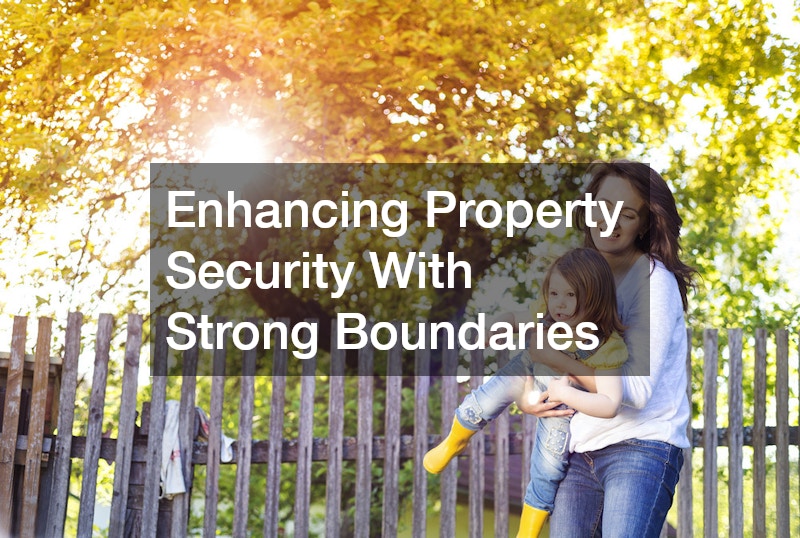
Clearly defined property boundaries contribute significantly to overall home safety. Fencing provides both a physical and visual barrier that deters trespassers and protects children and pets from wandering into unsafe areas. A well-designed boundary structure reinforces privacy while reducing the risk of unauthorized access. In addition to improving security, fencing helps create a controlled outdoor space where families can relax with greater peace of mind. Establishing strong boundaries is one of the most practical steps homeowners can take to strengthen exterior safety.
Professional fence installation ensures that the structure is built to withstand weather conditions and daily use. Properly secured posts, reinforced panels, and reliable gate hardware prevent gaps or weaknesses that could compromise protection. Material selection also plays a key role, as certain options provide greater durability and resistance to environmental wear. Thoughtful placement of gates and access points improves control over who enters the property. By investing in professional fence installation, homeowners add a dependable layer of security that enhances both safety and long-term property value.
Repairing Roofing to Prevent Structural Damage
The roof is one of the most critical protective components of a home, shielding it from rain, wind, and temperature extremes. Even minor damage such as cracked shingles or small leaks can quickly escalate into larger structural problems. Water intrusion may weaken framing, damage insulation, and create conditions for mold growth. Routine inspections and timely repairs are essential to maintaining a strong barrier against the elements. Addressing roofing concerns early prevents costly interior damage and protects the overall stability of the structure.
Scheduling professional roofing repair helps identify hidden vulnerabilities before they become serious threats. Experienced technicians can replace damaged shingles, seal flashing gaps, and reinforce weak areas that are susceptible to leaks. Proper ventilation and drainage systems are also evaluated to reduce moisture buildup. By correcting minor issues promptly, homeowners avoid the expense and disruption of full roof replacement. Investing in roofing repair not only enhances safety but also preserves the long-term integrity and performance of the home’s protective envelope.
Preventing Infestations to Protect Your Home
Uncontrolled pest activity can compromise both the safety and structural integrity of a home. Insects and rodents often enter through small cracks, vents, or foundation gaps, where they can cause hidden damage over time. Termites may weaken wooden framing, while rodents can chew through wiring and insulation, increasing the risk of electrical fires. Beyond structural concerns, pests also introduce bacteria and allergens that negatively affect indoor air quality. Addressing infestations quickly is essential to maintaining a healthy and secure living environment.
Working with a professional exterminator allows homeowners to identify the source of infestations and implement targeted treatment strategies. Experts can assess entry points, nesting areas, and conditions that attract pests in the first place. Preventative treatments and sealing vulnerable gaps reduce the likelihood of recurring issues. In addition to eliminating active infestations, a knowledgeable exterminator can recommend long-term maintenance solutions that help safeguard the home year-round. By taking a proactive approach to pest control, homeowners reduce structural risks and create a cleaner, safer interior space.
Clearing Drains to Avoid Water Damage
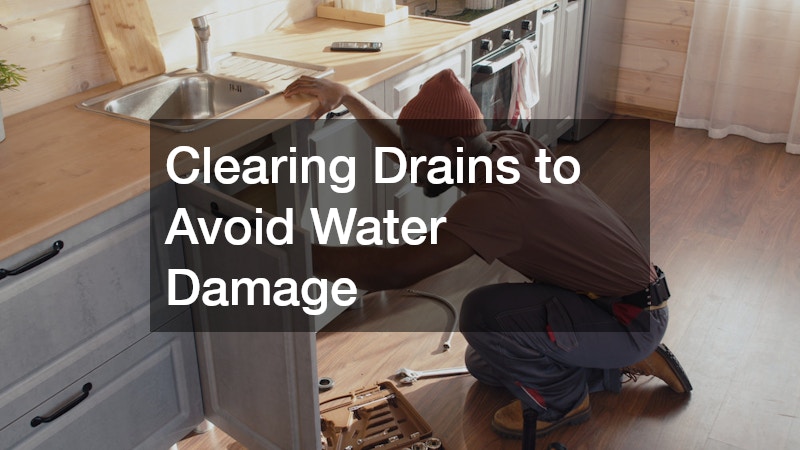
Water damage is one of the most common and costly safety issues homeowners face. When drains become clogged with debris, grease, or mineral buildup, water may back up into sinks, tubs, or basements. Persistent blockages can strain plumbing systems and increase the risk of pipe bursts or leaks. Excess moisture not only damages surfaces but can also create conditions for mold growth and weakened structural materials. Routine maintenance of plumbing systems helps prevent these hazards before they escalate.
Scheduling a professional drain cleaning service ensures that blockages are removed safely and thoroughly. Technicians use specialized equipment to clear buildup deep within pipes, restoring proper water flow and reducing pressure on the plumbing system. Preventative cleaning also allows professionals to identify early signs of corrosion or pipe damage. By maintaining clean and functional drainage systems, homeowners minimize the likelihood of unexpected flooding and costly repairs. Investing in regular drain cleaning service appointments strengthens the home’s defense against water-related risks and long-term deterioration.
Maintaining Climate Systems for Safe Operation
Heating and cooling systems play a crucial role in maintaining indoor comfort and safety. When these systems malfunction, they can create hazards such as poor air circulation, overheating components, or carbon monoxide exposure. Inconsistent temperature control may also contribute to frozen pipes or excessive humidity, which can damage structural materials. Routine inspection and servicing of climate systems help reduce these risks and ensure reliable performance throughout the year.
Professional HVAC repairs address worn components, faulty wiring, and airflow issues that could compromise safe operation. Technicians evaluate motors, thermostats, and ventilation pathways to confirm that systems are functioning efficiently. Timely repairs prevent minor mechanical problems from developing into major breakdowns. By prioritizing HVAC repairs as part of routine home maintenance, homeowners strengthen indoor safety while also supporting energy efficiency and long-term equipment durability.
Inspecting Chimneys to Reduce Fire Risks
Chimneys play a critical role in safely venting smoke, heat, and combustion gases from fireplaces and heating appliances. When chimneys are not maintained properly, creosote buildup and structural deterioration can increase the risk of chimney fires or carbon monoxide exposure. Cracked liners, loose masonry, and blockages caused by debris or animal nests can prevent proper ventilation. These hidden hazards often go unnoticed until a serious problem occurs. Routine inspections are essential for identifying potential dangers before they escalate into emergencies.
Scheduling a professional chimney inspection service helps confirm that the flue, liner, and surrounding masonry are in good condition. Technicians assess creosote levels, check for structural damage, and verify that ventilation pathways remain unobstructed. If issues are detected, early repairs can prevent fire hazards and improve overall fireplace efficiency. Regular inspection also supports compliance with safety recommendations for wood-burning and gas appliances. By investing in a chimney inspection service, homeowners reduce fire risks and maintain a safer heating system throughout colder seasons.
Upgrading Windows for Security and Stability
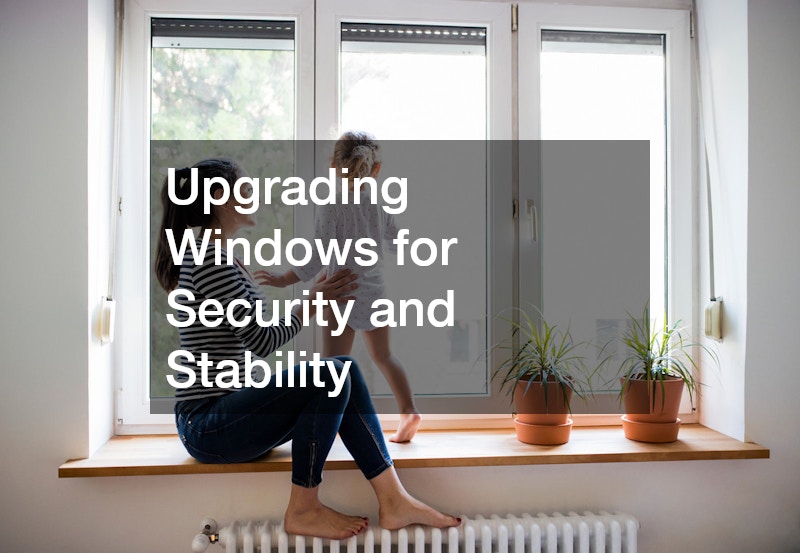
Windows are a common point of vulnerability in many homes. Aging frames, cracked glass, and weak locking mechanisms can make it easier for intruders to gain access. In addition to security concerns, outdated windows may allow drafts and moisture intrusion that weaken surrounding walls and framing. Strengthening window systems improves both physical protection and environmental stability. Modern window technology enhances durability while maintaining aesthetic appeal.
Professional window replacement provides an opportunity to upgrade to impact-resistant glass and reinforced locking systems. Newer window designs often include multi-point locking mechanisms and energy-efficient glazing that reduces temperature fluctuations. Proper installation ensures that frames are sealed tightly to prevent air and water leaks. By investing in window replacement, homeowners enhance structural stability, improve energy performance, and reduce the likelihood of forced entry. These upgrades contribute to a safer and more resilient home environment.
Improving the safety of your home requires a comprehensive approach that addresses both visible and hidden risks. From strengthening structural elements to enhancing fire detection and pest prevention, each upgrade plays a vital role in protecting your property and the people inside it. Safety-focused improvements not only reduce the likelihood of emergencies but also contribute to long-term durability and efficiency. When maintenance and upgrades are approached proactively, small vulnerabilities can be corrected before they develop into serious hazards.
By evaluating areas such as roofing, drainage, insulation, windows, and heating systems, homeowners create multiple layers of protection that work together to support overall stability. Outdoor improvements like fencing and tree maintenance further reinforce security beyond the walls of the home. Prioritizing routine inspections and timely repairs helps maintain consistent performance across all major systems. Through thoughtful planning and consistent upkeep, homeowners can create a secure living environment that promotes confidence, comfort, and long-term peace of mind.
