

Long-term home value is rarely determined by a single renovation or upgrade. Instead, it is shaped by how well the entire property is maintained over time. Homes that hold or increase their value tend to share a common trait: their owners address small issues before they escalate into costly problems. This proactive approach protects not only the structure itself but also the comfort, safety, and livability of the space.
Property maintenance is most effective when it considers every major system as part of a whole. Roofing, plumbing, mechanical systems, and exterior surfaces all interact in ways that affect performance and durability. When one area is neglected, stress is often transferred to others, accelerating wear and increasing repair costs. A full-scope strategy focuses on prevention, coordination, and consistency, ensuring the home remains resilient and attractive for years to come.
Build a Maintenance Plan That Covers Every Major System
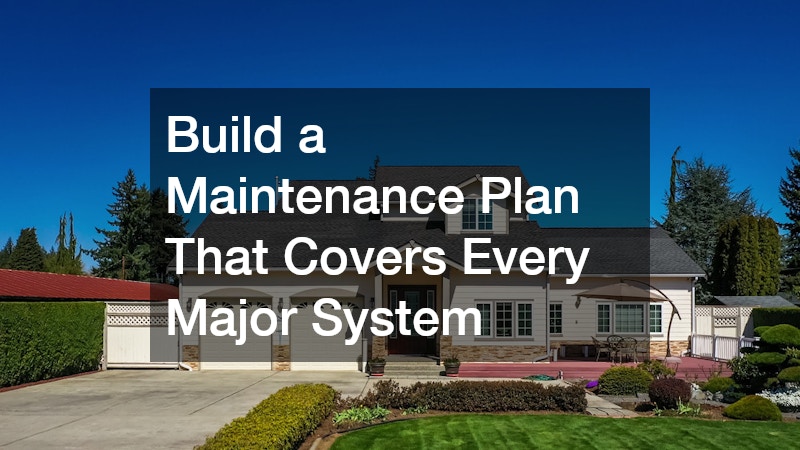
A strong maintenance strategy starts with understanding how each system contributes to the overall health of the property. Rather than reacting to breakdowns, homeowners who plan ahead are able to control costs, avoid emergencies, and extend the lifespan of critical components. This approach shifts maintenance from a series of urgent fixes into a predictable, manageable routine that supports long-term value.
Many homeowners underestimate how interconnected their home’s systems really are. A small issue in one area can easily create strain elsewhere. For example, poor ventilation can contribute to moisture buildup, which in turn affects framing, finishes, and insulation. A maintenance plan helps identify these relationships early so problems can be addressed before they cascade.
Professional home improvement services can help bring structure to this process by identifying vulnerabilities that may not be obvious during routine living. These evaluations often reveal issues such as aging materials, outdated installations, or deferred repairs that could compromise future value if left unresolved. Trained professionals look beyond cosmetic condition to assess performance, safety, and remaining service life.
When creating a comprehensive maintenance plan, homeowners should focus on both current conditions and future needs. Effective plans are built around clear priorities rather than convenience or visual appeal alone.
Key steps to building a comprehensive plan include:
-
Creating a baseline assessment of all major systems, including their age, condition, and expected lifespan
-
Prioritizing repairs based on risk and impact rather than appearance, addressing issues that could cause secondary damage first
-
Establishing inspection and service intervals that align with manufacturer recommendations and local climate conditions
-
Keeping detailed records of maintenance history and improvements to track patterns and support resale documentation
Organizing this information into a simple calendar or digital log makes it easier to stay consistent. It also allows homeowners to budget more effectively by anticipating future expenses instead of being caught off guard by sudden failures.
Climate control plays a particularly important role in long-term preservation. Regular inspections and tune-ups of HVAC systems help maintain efficiency, reduce strain on components, and improve indoor comfort. When heating and cooling systems operate as intended, they place less stress on the home’s structure and reduce the likelihood of secondary issues like moisture buildup, condensation, or uneven temperatures throughout the property.
Consistent climate control also protects interior finishes, flooring, and furnishings from excessive humidity or dryness, both of which can shorten material lifespan. Incorporating seasonal service checks into a maintenance plan ensures these systems continue to perform reliably during peak demand.
A documented maintenance plan transforms upkeep from guesswork into a repeatable process. Instead of relying on memory or reacting to visible damage, homeowners gain a clear roadmap for caring for their property. Over time, this proactive approach minimizes surprises, improves system longevity, and makes it far easier to stay ahead of problems year after year.
Prevent Water Intrusion Before It Becomes Structural Damage
Water is one of the most destructive forces affecting residential properties because it often causes damage long before it becomes visible. Even small leaks can lead to rot, mold growth, insulation failure, and compromised framing if they are not addressed promptly. Left untreated, moisture weakens structural components and creates conditions that are far more expensive to correct later. Preventing water intrusion is almost always more cost-effective than repairing the damage it causes.
Moisture problems frequently begin in areas that are hidden from daily view, such as attics, wall cavities, crawl spaces, and behind finished surfaces. Because of this, homeowners should pay close attention to subtle changes inside the home. Early detection can dramatically limit repair scope and reduce long-term risk.
Common early warning signs include:
-
Discoloration or staining on ceilings and walls, especially after rainfall
-
Musty or earthy odors in enclosed or rarely used spaces
-
Soft or spongy spots in flooring, drywall, or trim
-
Unexpected increases in indoor humidity or condensation on windows
Ignoring these symptoms allows moisture to continue spreading, often moving along framing or insulation before it is discovered. Prompt roof leak repair is essential when these signs appear, particularly after storms or seasonal weather changes. Small breaches in roofing materials, flashing, or sealants can allow water to travel far from its original entry point, making the source difficult to locate once damage becomes visible inside the home.
Addressing roof-related issues early reduces the scope of repairs and helps preserve structural integrity. It also protects insulation and interior finishes that are costly to replace once saturated.
In situations where moisture has already penetrated building materials, a professional water damage repair service plays a critical role. These services do far more than dry visible surfaces. They assess the full extent of moisture migration, remove affected materials when necessary, and ensure that hidden areas are properly dried before restoration begins. This thorough approach helps prevent secondary problems such as mold growth or lingering odors.
Effective water management requires ongoing attention rather than one-time fixes. Regular inspections, quick response to warning signs, and proper repairs all work together to protect the home from long-term deterioration. By treating water intrusion as a preventive priority instead of a reactive expense, homeowners significantly reduce the risk of structural damage, health concerns, and unexpected repair costs over time.
Protect Exterior Surfaces From Gradual Wear and Deterioration
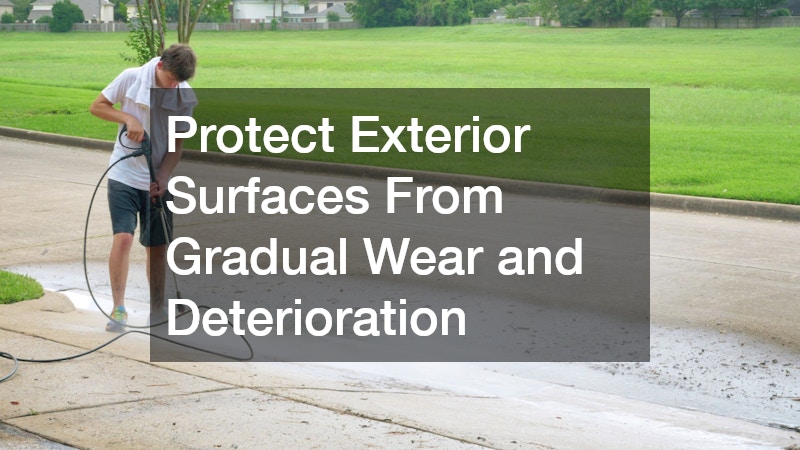
Exterior materials are constantly exposed to the elements, making them especially vulnerable to gradual degradation over time. Sun, rain, wind, and pollution all take a toll, and without consistent care, even high-quality materials can show early signs of wear. Dirt, algae, mildew, and airborne pollutants can trap moisture against surfaces, accelerating material breakdown and diminishing the home’s curb appeal. Over time, these subtle forms of deterioration can lead to more serious structural concerns if left unaddressed.
Routine residential pressure washing is a simple yet highly effective way to slow this process. Regular cleaning removes accumulated grime and organic growth before it can penetrate surfaces and cause long-term damage. Key benefits of this practice include:
-
Preventing staining and discoloration: Dirt, pollen, and airborne pollutants can permanently stain siding, decks, and fences if not removed regularly. Pressure washing restores visual appeal and maintains a clean exterior.
-
Reducing organic growth that weakens materials: Mold, mildew, algae, and moss can trap moisture and degrade wood, stone, and composite materials. Cleaning these surfaces helps preserve structural integrity.
-
Improving visibility of cracks or surface defects: Removing buildup makes it easier to identify minor issues before they escalate, allowing for timely repairs.
-
Maintaining a well-kept appearance: Regular cleaning keeps your home looking cared for, which protects its value and supports overall property pride.
Hard surfaces, such as driveways, patios, walkways, and retaining walls, require additional attention. Environmental stressors like freeze-thaw cycles, settlement, and water runoff can lead to cracking, spalling, or uneven surfaces. Small cracks may seem harmless initially, but they can allow water to infiltrate, potentially undermining the structural integrity of the material or creating tripping hazards.
When these issues arise, consulting a qualified concrete company allows homeowners to address problems before they become safety concerns or costly structural liabilities. Services from experienced professionals can include crack repair, surface leveling, sealing, and replacement of damaged areas. Regular inspection and timely maintenance of hard surfaces not only prolongs their life but also minimizes larger expenses in the future.
Protecting exterior surfaces isn’t just about aesthetics, it plays a critical role in preserving the overall durability of the home. Well-maintained exteriors shield the underlying structure from moisture intrusion, temperature fluctuations, and wear, supporting long-term stability. By integrating routine cleaning, careful inspection, and professional repair into a property maintenance plan, homeowners can maintain both the beauty and integrity of their home while safeguarding its value for years to come.
Maintain Roofing Systems to Extend Their Usable Lifespan
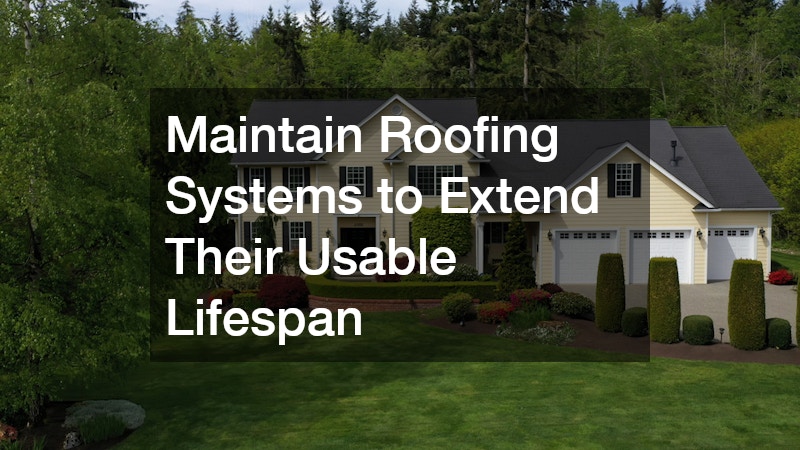
The roof is one of the most critical components of any home, serving as the primary barrier between the interior and the elements. Its condition directly impacts structural integrity, energy efficiency, and long-term property value. Even a well-installed roofing system is not immune to wear, and without consistent attention, small issues can escalate into costly repairs or replacements. Regular maintenance ensures that the roof continues to perform as intended, protects other home systems, and extends its overall lifespan.
Professional roofing services provide inspections that go far beyond what is visible from the ground. A trained roofing specialist examines not only the surface of the roof but also hidden components such as underlayment, flashing, gutters, and ventilation systems. Common issues uncovered during these evaluations include:
-
Compromised flashing: Worn or improperly sealed flashing around chimneys, vents, or skylights can allow water to penetrate the roof deck, leading to leaks and structural damage.
-
Loose or damaged materials: Shingles, tiles, or metal panels can crack, curl, or detach over time due to wind, ice, or UV exposure. Early detection prevents water intrusion and minimizes replacement costs.
-
Early signs of wear around penetrations: Areas surrounding pipes, vents, and roof-mounted equipment are high-stress zones where leaks often start. Inspections ensure these points are properly sealed and reinforced.
-
Drainage problems: Clogged gutters, downspouts, or poorly sloped surfaces can cause standing water, which accelerates material deterioration and increases the risk of leaks.
Routine inspections, particularly after severe weather events such as storms, heavy snow, or strong winds, are essential for preventing minor defects from escalating. Identifying and addressing issues early reduces the risk of interior water damage, mold growth, and structural weakening. In addition to repairs, maintenance often includes clearing debris, trimming overhanging branches, and resealing vulnerable areas to prolong roof life.
Consistent roof maintenance also allows homeowners to plan strategically for future replacements rather than reacting to emergencies. By tracking the condition of the roof over time, it’s possible to budget effectively for replacement before a critical failure occurs, ensuring that the home remains protected without sudden, unexpected expenses.
A well-maintained roof provides more than functional benefits, it reassures potential buyers and appraisers that the home has been responsibly cared for. Prospective buyers often view a sturdy roof as a sign of overall property health, making it a key factor in perceived value. Maintaining the roof not only protects the home from the elements but also preserves the financial investment in the property over the long term.
Keep Plumbing Systems Flowing to Avoid Hidden Damage
Plumbing problems often develop silently, making them particularly dangerous to long-term property health. Slow drains, recurring clogs, and minor backups may seem inconvenient but can indicate deeper issues within the system.
Routine drain cleaning services help prevent buildup that restricts flow and places pressure on pipes. This proactive approach reduces the risk of:
-
Pipe bursts
-
Sewage backups
-
Water intrusion behind walls or under floors
-
Emergency repair situations
Additional benefits of regular maintenance include improved drainage performance and early detection of root intrusion or aging pipe materials. Addressing these issues before failure protects both the structure and the finishes that contribute to a home’s value.
Maintaining plumbing health is a foundational part of full-scope property care, even though much of the system remains out of sight.
Address Fire and Air Quality Risks After Minor Incidents
Even small fire-related events can leave behind residue that impacts indoor air quality and material performance. Smoke particles and soot can embed themselves in porous surfaces, continuing to cause damage long after the visible signs are gone.
Professional smoke damage restoration ensures that affected areas are properly cleaned, deodorized, and stabilized. This process typically involves:
-
Removing residue from walls, ceilings, and contents
-
Treating surfaces to prevent odor absorption
-
Evaluating insulation and hidden cavities
-
Restoring indoor air quality
Ignoring these issues can lead to lingering odors, respiratory concerns, and reduced buyer confidence. Proper remediation not only resolves immediate concerns but also protects the home’s long-term livability and market appeal.
Upgrade Vulnerable Entry Points to Improve Durability and Safety
Doors and openings are frequent points of weakness in a home’s exterior envelope. Older materials may lack the strength or insulation needed to withstand severe weather or everyday wear.
Installing an impact resistant glass door in high-exposure areas offers several long-term advantages:
-
Improved resistance to windborne debris
-
Enhanced security and durability
-
Better thermal performance
-
Reduced likelihood of water intrusion
Strategic upgrades like these strengthen the home’s overall resilience while also contributing to visual appeal. When integrated into a broader maintenance plan, they support both immediate comfort and future value.
Long-term home value is the result of consistent, thoughtful care rather than isolated upgrades. By viewing property maintenance as a coordinated system instead of a series of one-off repairs, homeowners can reduce risk, control costs, and preserve structural integrity over time.
A full-scope approach emphasizes prevention, documentation, and strategic improvements that work together to support durability and livability. When each component is maintained with intention, the home remains not only functional but also desirable, resilient, and well-positioned for the future.
