

Transitioning from renting to homeownership is one of the most significant financial milestones you will ever achieve. However, it also comes with a major shift in responsibility. When you rent, a broken appliance or a leaking pipe requires nothing more than a quick call to a landlord or property manager. When you own, every system failure, structural issue, and routine wear-and-tear event falls squarely on your shoulders.
Managing a home effectively requires moving from a reactive mindset to a proactive strategy. Waiting for a catastrophic pipe burst or a roof leak to search for a specialist often results in inflated emergency fees, poor contractor choices, and extensive property damage. By curating a network of trusted professionals before an emergency occurs, you can protect your equity, maintain comfort, and keep your property value growing over time.
Understanding how your home’s mechanical, structural, and aesthetic systems work together is the first step toward smart property management. Here is a guide to the essential home service professionals every homeowner should have on speed dial.
Triage Strategies for Sudden Mechanical Failures

Plumbing emergencies are not just inconvenient; they have the potential to be among the most destructive experiences a homeowner might face. Water damage can escalate quickly—what starts as a small leak can soon transform into a scenario where uncontrolled water causes havoc around your home. This includes soaking and ruining drywall, leading to mold and mildew issues, destroying expensive flooring that might need replacing, and even weakening the very structural framing that supports your home—all within a matter of hours. Reacting promptly and knowing who to call can be the deciding factor between addressing a manageable repair and embarking on an extensive, costly renovation project.
Master Your Shut-Off Valves and Emergency Interventions
Every responsible homeowner should take the time to locate the primary shut-off valve for their home’s water supply. Whether your plumbing features a gate valve, which requires multiple turns for closure, or a ball valve, known for its efficiency with a simple quarter-turn operation, it’s crucial to practice turning it off and on at least twice a year. This ensures that the mechanism remains operational and doesn’t seize up or become stuck from lack of use. In dire circumstances, such as a burst main pipe or a failed fixture, promptly shutting off the main supply can halt the flow of water into your home. This pause allows you or a professional service to assess the problem and plan an appropriate intervention without the continued threat of water damage. Call your local plumbers for professional help.
In addition to having a clear understanding of your main water shut-off, it’s equally essential to be prepared for immediate actions during an emergency. These steps can significantly mitigate the extent of damage:
- Isolate individual fixtures: Before resorting to cutting off the entire water supply to the house, check and use the local stop or shut-off valves provided under sinks, behind toilets, and adjacent to washing machines. This targeted shut-off can prevent damage to just one area, keeping other facilities operational.
- Turn off power to water heaters: When you have to shut off the main water supply, it is crucial to also turn off the power to your water heater. This involves switching electric breakers to the off position or, for gas heaters, turning the gas line to pilot mode. This prevents the heating elements from running in an empty tank, which could burn out and cause further damage. Water heater repairs should be done by an expert.
- Clear the work area: Quickly removing rugs, furniture, and personal items from the area affected by leaks will help minimize additional damage. It also ensures that technicians have immediate and unencumbered access once they arrive to assess and fix the issue.
Address System Failure Signals and Sediment Accumulation
Among home utilities, hot water units are frequently cited as sources of plumbing dilemmas. Over time, naturally occurring minerals in the water separate and settle at the base of these tanks. This sediment forms a layer that hinders efficient heat transfer by insulating the tank’s burner from the water that needs heating. Consequently, this inefficiency leads the unit to consume more energy, raising utility bills, creating irritating popping noises, and can even cause the tank material to rust prematurely.
Structural Preservation and Disaster Recovery
When water breaches your home’s interior envelope—whether from a storm, severe backup, or hidden leak—time is your most critical asset. Immediate intervention stops structural decay and helps prevent hazardous mold growth.
Dehumidification and Structural Drying Protocols
Water travels along the path of least resistance, often pooling under subflooring, running inside wall cavities, and soaking into insulation long before it appears on paint or drywall. Simply wiping up visible puddles or placing a household fan in the room is rarely enough to dry out structural materials.
Professional water damage restoration involves specialized equipment and techniques:
- Thermal Imaging: Technicians use infrared cameras to track moisture pathways behind walls without cutting into drywall.
- Moisture Metering: Pin-type and non-invasive meters reveal the exact moisture content of studs, joists, and subfloors.
- Low-Grain Refrigerant (LGR) Dehumidifiers: Industrial dehumidifiers pull gallons of moisture from the air, creating a dry environment that pulls trapped water out of deep building materials.
- Antimicrobial Treatments: EPA-registered sanitizers prevent mold spores from taking root during the 24-to-48-hour drying window.
Optimizing Property Coverage and Claim Management
Handling property damage isn’t just a physical process; it’s a financial one. Homeowners insurance policies are complex, filled with specific definitions, endorsements, and exclusions that dictate what is and isn’t covered. For example, damage from a sudden pipe burst is treated very differently than gradual damage caused by deferred maintenance.
Schedule an annual policy review with your insurance agent to keep your coverage aligned with rising rebuilding costs and home upgrades. Keep a detailed digital inventory of your home’s assets—complete with photos, model numbers, and receipts—stored securely in the cloud. Having clear documentation simplifies claim filing and speeds up payout processing when covered disasters occur.
Exterior Shielding and Envelope Care
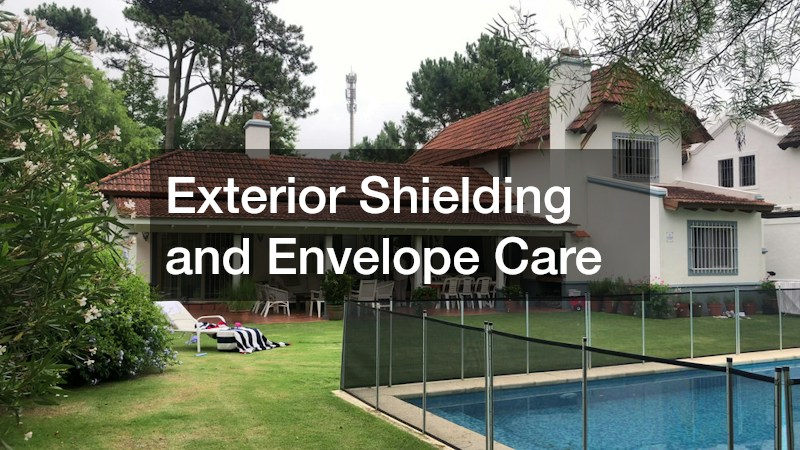
Your home’s exterior is its first line of defense against rain, snow, wind, and solar radiation. Keeping the building envelope in good shape protects your home’s structure and helps maintain indoor climate control year-round.
Protect the Building Envelope from Thermal and Moisture Intrusion
Siding does more than give your house a polished look; it keeps rainwater out of your framing and helps seal in climate-controlled indoor air. Over time, thermal expansion, high winds, and solar exposure can crack panels, separate joints, and break exterior sealants.
When inspecting your home’s exterior, look out for these potential warning signs:
- Warped or Buckled Panels: Indicates that water may have seeped behind the material, causing the structural sheathing to swell.
- Flaking Paint or Soft Wood: Classic signs of rot caused by trapped moisture that cannot evaporate.
- Loose Flashing Around Windows and Doors: Gaps in flashing allow driven rain to leak straight into internal wall framing.
Working with an experienced siding company ensures that any repairs respect your home’s ventilation and vapor barrier setup, keeping moisture moving away from the structure safely.
Maintain Thermal Performance and Natural Light Penetration
Windows are key features of your home’s exterior, offering light, ventilation, and insulation. However, dirt, environmental grime, hard water spots, and pollen do more than just block your view—they can harm window components over time. Dust and debris collect in window tracks and weeping holes, blocking drainage paths and trapping moisture around the frames.
Hiring a professional window cleaning company helps protect these surfaces and keeps your windows working properly:
- Mineral Deposit Removal: Specialized cleaning solutions break down tough hard water spots that standard glass cleaners miss, preventing permanent glass etching.
- Track and Frame Maintenance: Deep cleaning tracks reduces wear on sash balances and rubber weatherstripping.
- Seal Defect Detection: Trained cleaners often spot broken thermal seals—indicated by fogging or condensation between glass panes—before homeowners notice them.
High-Value Exterior Amenities and Backyard Living
Modern backyards are often designed as extensions of indoor living areas. Outdoor spaces frequently feature custom pools, kitchens, and year-round living structures. However, these high-end additions require dedicated, specialized maintenance to protect their performance and appearance over time.
Shell Maintenance for Composite Pools
Composite swimming pools offer long-lasting durability, quick installation, and a smooth finish that resists algae growth. However, keeping these pools in top shape requires regular water chemistry balancing and proper soil support management.
If you own a fiberglass pool, maintain balanced water chemistry to preserve its outer gelcoat. High chemical concentrations can fade or blister the gelcoat, while low calcium levels can leach minerals from pool fittings. It is also important never to drain a composite pool without professional guidance. Ground pressure can shift the empty shell, causing wall bulges, cracking, or plumbing breaks underneath the pool deck.
Upgrade Aquatic Facilities and Extend Infrastructure Life
Even well-built pool systems eventually show signs of wear. Heavy usage, sun exposure, and shifting soil can degrade mechanical equipment, fade interior surfaces, and cause surrounding decking to crack or settle.
When basic maintenance isn’t enough, calling in expert pool renovation services can transform an aging setup into an efficient, modern oasis:
- Equipment Modernization: Replacing single-speed pumps with variable-speed models can lower pool energy use by up to 70%.
- Surface Refinishing: Modernizing worn finishes restores visual appeal and makes water chemistry easier to manage.
- Automation Integration: Installing smart controllers allows you to adjust filtration, heating, and lighting right from your smartphone.
Expand Functional Living Space Through Protected Structures
Outdoor living areas are often limited by seasonal weather, intense sunlight, and nuisance insects. Adding permanent covered structures allows homeowners to enjoy their outdoor spaces comfortably throughout more of the year.
Custom outdoor enclosures create functional, climate-managed outdoor spaces:
- Screened Porches: Block insects and reduce intense wind while preserving natural light and breezes.
- Insulated Patio Covers: Reflect solar heat away from the home, keeping adjoining interior rooms cooler in summer months.
- Three-Season Rooms: Feature framed, adjustable glass panel systems that offer protection against cold weather, rain, and debris.
When building outdoor structures, ensure they are engineered for local wind speeds, snow loads, and drainage requirements to keep your main structure safe.
Custom Interior Craftsmanship and Architectural Joinery

While emergency repairs and exterior maintenance protect your home’s structural shell, high-quality interior upgrades enhance daily living and increase long-term property equity. Custom cabinetry, built-in features, and detailed woodwork elevate your home’s interior character like few other improvements can.
Design High-Impact Storage and Architectural Elements
Stock cabinetry and mass-produced furniture rarely make full use of a home’s floor plan. Odd alcoves, under-stair spaces, high ceilings, and awkward floor layouts are great candidates for custom built-ins that maximize usability and clean up clutter.
Working with a custom woodworking company offers several key benefits:
- Tailored Material Selection: Choose high-grade hardwoods, moisture-resistant plywoods, or custom veneers suited to your local indoor humidity levels.
- Precision Spatial Design: Built-in features are made to match your exact room dimensions, eliminating dusty gaps and awkward corners.
- Superior Joinery Techniques: Traditional mortise-and-tenon, dovetail, and pocket-joinery methods create durable furniture that outlasts flat-pack options.
- Custom Integrated Finishes: Match millwork to existing doors, trim, and architectural details for a seamless appearance.
Preserve Architectural Woodwork and Humidity Control
Wood is an organic material that continuously responds to its environment. It absorbs and releases moisture as ambient humidity levels fluctuate throughout the year, causing panels to swell in humid months and shrink during dry winter periods.
Protecting custom woodwork requires controlling your indoor climate and maintaining finishes properly:
- Maintain Stable Humidity: Keep indoor humidity between 35% and 55% using whole-home humidifiers or dehumidifiers to prevent wood warping, cracking, or seam gaps.
- Avoid Harsh Chemical Cleaners: Clean custom millwork using soft microfiber cloths dampened with plain water or mild, wood-safe soaps to preserve protective topcoats.
- Schedule Routine Maintenance: Inspect cabinet hinges, drawer slides, and architectural joints periodically to fix minor misalignments before they cause surface wear.
Building Your Personal Home Maintenance Network

Transitioning from reactive homeowner to proactive property manager requires organizing your support network. Rather than searching online while dealing with a flooded basement or a broken heating unit, take the time to build an organized list of trusted service professionals today.
Taking time to vet contractors, organize property records, and schedule routine maintenance converts home ownership from a source of stress into a rewarding, value-building investment. Protect your time, budget, and peace of mind by building your network of home professionals long before you need them.
