
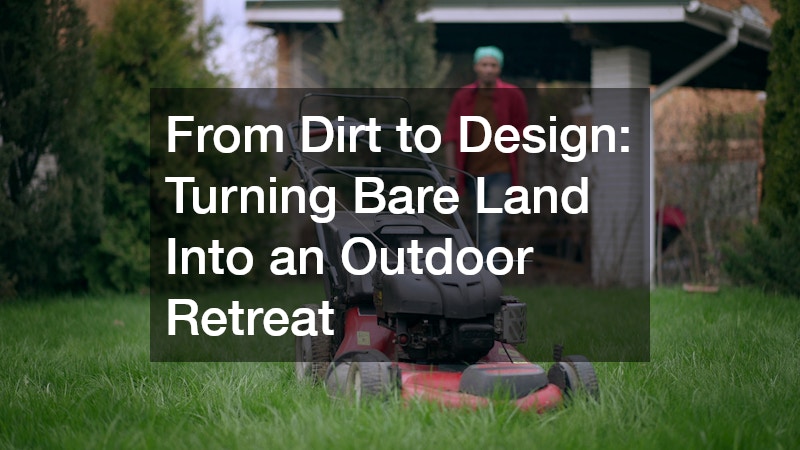
Turning undeveloped land into a functional outdoor retreat is a major project, but it’s also an opportunity to shape a space that fits your lifestyle, adds value to your property, and minimizes future upkeep. Bare land offers a clean slate, which means every decision—from grading to structures—can be made intentionally rather than as a reaction to existing problems.
A successful transformation depends on sequencing work correctly, understanding how each element affects the next, and avoiding shortcuts that can lead to drainage issues, plant failure, or structural headaches. With the right plan, what starts as dirt and uneven ground can become a polished, usable outdoor environment built to last.
Start With Site Evaluation and Ground Preparation
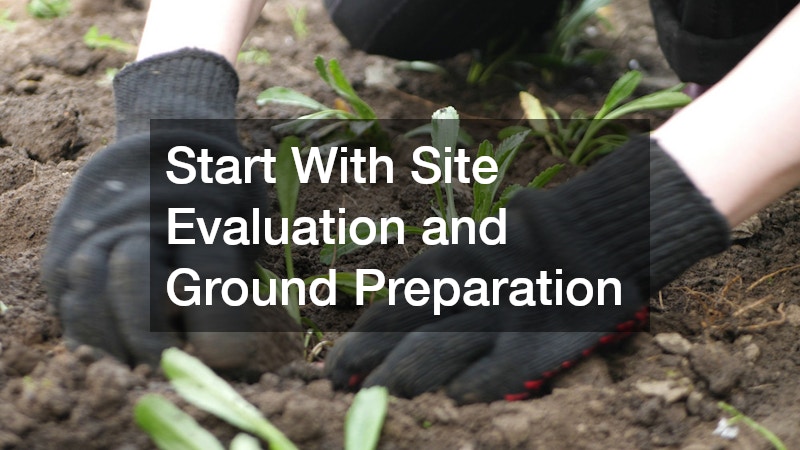
Before any visual improvements begin, the ground itself needs attention. Soil quality, compaction, and drainage patterns will determine how well everything else performs, from plants to structures. Skipping this step often leads to uneven settling, poor plant growth, and expensive rework later.
Many properties benefit from top soil delivery to replace depleted or compacted earth that can’t support healthy landscaping. Fresh soil improves drainage, allows roots to establish more easily, and creates a stable base for future work. This is especially important if the land was previously used for construction staging, farming, or heavy vehicle traffic.
Key preparation steps include:
- Testing soil composition to identify clay-heavy or sandy areas
- Removing construction debris and organic waste
- Establishing proper soil depth for planting and structural zones
- Compacting only where necessary to support hardscapes
Taking the time to prepare the ground properly creates a stable starting point that everything else depends on. When soil depth, composition, and drainage are handled correctly, plants establish faster, hardscapes remain level, and structures perform as intended. This early effort reduces the risk of erosion, pooling water, and premature landscape failure, ultimately saving time and money as the project progresses.
Shape the Land to Prevent Washouts and Uneven Settling
Once the soil is ready, shaping the land becomes the next priority. Slopes, low spots, and runoff paths all influence how water moves across your property. Poor grading can cause erosion, standing water, or damage to nearby structures.
Effective erosion control starts with understanding how rainwater flows during heavy storms. Redirecting runoff away from usable areas and reinforcing vulnerable sections prevents soil loss and protects future landscaping investments. This process should be completed before planting or installing hard surfaces.
Practical grading strategies include:
- Creating gentle slopes that move water away from structures
- Installing swales to manage runoff naturally
- Reinforcing slopes with plants or retaining features
- Avoiding sharp drops that encourage soil displacement
Thoughtful land shaping protects the property long after construction is complete. By managing how water moves across the surface, homeowners can prevent gradual soil loss that weakens planting beds and undermines hardscapes. Proper grading also reduces seasonal maintenance demands, keeping the outdoor retreat functional and visually consistent year after year.
Define Usable Zones With Hardscape Foundations
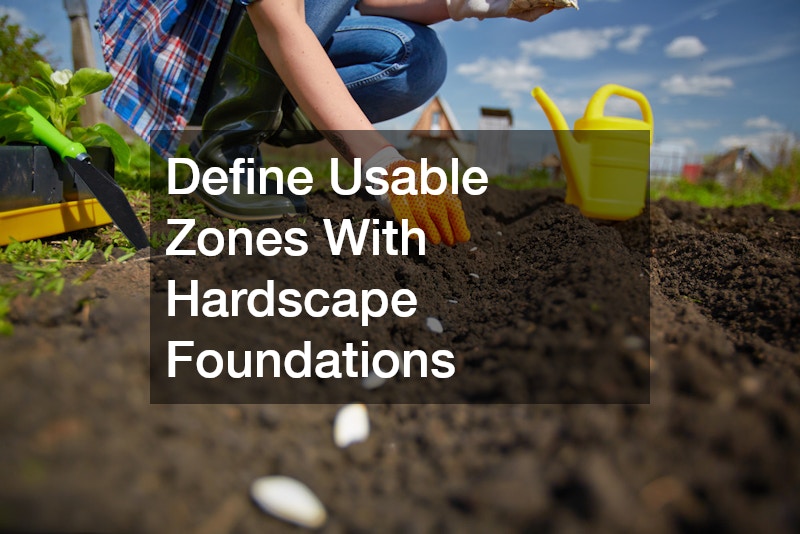
Hardscaping helps turn open land into functional outdoor zones. Walkways, patios, and gathering areas create structure and guide how the space is used. These features should be planned early so they integrate seamlessly with planting areas and structures.
Working with paving contractors ensures that base layers are properly prepared, preventing cracking, shifting, and drainage problems. Professional installation also accounts for soil conditions and load-bearing requirements that DIY approaches often overlook.
When planning hardscape zones, consider:
- Traffic flow between the house and outdoor areas
- Placement that avoids root systems and drainage paths
- Materials suited to climate and intended use
- Expansion potential for future features
Well-planned hardscapes serve as the backbone of an outdoor retreat, organizing space and guiding movement throughout the property. When these elements are installed correctly, they support daily use without shifting or cracking and create clear transitions between activity areas. Strong foundational work ensures the space remains usable, safe, and visually cohesive as surrounding landscaping matures.
Protect Young Landscapes With Proper Ground Cover
Newly prepared soil is vulnerable to drying out, temperature swings, and weed growth. Ground cover plays a critical role in protecting the investment you’ve made in soil preparation and grading.
Applying bulk landscape mulch helps regulate soil temperature, retain moisture, and reduce erosion during the early stages of landscape development. It also creates a cleaner, more finished appearance while plants are still establishing.
Benefits of proper ground cover include:
- Reduced water evaporation during hot weather
- Suppressed weed growth without chemicals
- Improved soil structure as organic material breaks down
- Cleaner transitions between planting beds and hardscapes
Using mulch during the early stages of development does more than improve appearance—it actively protects the soil while plants take root. This protective layer helps stabilize temperature and moisture levels, giving new landscaping a better chance to thrive. Over time, consistent ground coverage reduces plant stress and supports healthier, more resilient growth across the property.
Plan Tree Placement and Long-Term Canopy Growth
Trees bring shade, structure, and visual balance to an outdoor retreat, but poor placement can lead to problems years down the road. Root systems, mature canopy size, and proximity to structures all need careful consideration before planting.
Consulting a professional tree service helps homeowners select species that suit the soil, sunlight, and available space. Proper planning prevents future conflicts with foundations, fencing, and overhead lines while maximizing the benefits trees provide.
Smart tree planning includes:
- Accounting for mature height and spread
- Avoiding placement too close to hardscapes
- Matching species to soil moisture levels
- Planning shade coverage for seating and structures
Carefully planned tree placement allows the landscape to evolve without creating future obstacles. When trees are positioned with long-term growth in mind, they provide shade, privacy, and structure without interfering with buildings or utilities. This foresight helps the outdoor retreat mature gracefully while minimizing the need for corrective pruning or removal later.
Maintain Tree Health From the Start
Newly planted trees are more vulnerable to pests and disease than established ones. Early maintenance protects their growth and reduces the likelihood of replacement. Preventive care is far more effective than reactive treatment.
Tree spraying plays a role in safeguarding young trees against insects and fungal issues during critical growth periods. Timed correctly, treatments support healthy leaf development and strong root systems without unnecessary chemical use.
Early tree care priorities include:
- Monitoring for signs of stress or infestation
- Scheduling treatments based on seasonal risks
- Avoiding overwatering that weakens roots
- Supporting trees with proper staking when needed
Proactive care during a tree’s early years lays the groundwork for decades of healthy growth. Addressing potential issues early helps trees develop strong root systems and full canopies without setbacks caused by pests or disease. Consistent maintenance during this stage reduces long-term intervention and supports a landscape that looks established sooner.
Establish Clear Property Boundaries Early
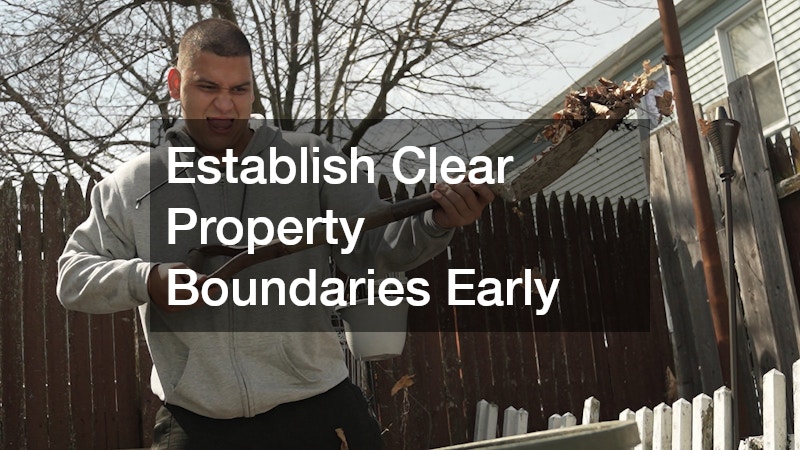
Defining boundaries helps protect landscaping work and prevents disputes with neighboring properties. Fencing also adds privacy and security, shaping how the outdoor retreat feels and functions.
Working with an experienced fence builder ensures the structure aligns with property lines, terrain changes, and local requirements. Installing fencing early avoids damage to finished landscaping and allows plantings to be designed around it.
Boundary planning considerations include:
- Material durability and maintenance requirements
- Height and style that complement the property
- Placement that avoids drainage interference
- Coordination with gates and access points
A well-defined boundary helps organize the landscape and protects the investment made in surrounding features. Installing fencing early allows plantings, walkways, and structures to be positioned intentionally rather than adjusted after the fact. Clear boundaries also improve privacy and security, making the outdoor retreat feel complete and purposeful.
Create a Comfortable Outdoor Living Core
An outdoor retreat benefits from a central space designed specifically for comfort and protection from the elements, serving as a reliable gathering point regardless of weather conditions. Covered structures create shade during hot months, shelter during rain, and a more controlled environment that encourages regular use. Unlike open patios, these spaces feel more intentional and finished, helping the outdoor area function as an extension of the home rather than a separate, weather-dependent feature.
A covered deck enclosure extends seasonal use by shielding people and furnishings from sun, wind, and precipitation while still allowing the space to feel open and inviting. Protecting furniture, grills, and electronics reduces wear and replacement costs, making the area easier to maintain over time. Planning for utilities, lighting, and access points during construction ensures everything functions smoothly from day one, eliminating the need for disruptive and expensive modifications later.
Design tips for covered spaces include:
- Positioning for prevailing winds and sunlight
- Choosing materials that match the home’s exterior
- Allowing airflow while blocking harsh weather
- Planning seating and traffic flow
This central living area often becomes the heart of the outdoor retreat, supporting everything from casual relaxation to larger gatherings. When designed with comfort and protection in mind, it encourages consistent use throughout the year. A thoughtfully planned structure enhances usability while anchoring the overall layout of the outdoor space.
Add Flexible Spaces for Bugs, Weather, and Privacy
While open-air areas are appealing, they aren’t always practical in every climate or during every season. Heat, humidity, wind, and sudden changes in weather can quickly limit how often uncovered spaces are used. Flexible outdoor areas solve this problem by providing shelter without fully closing off the environment, allowing homeowners to enjoy fresh air and natural views while staying comfortable. These spaces extend usability beyond ideal conditions, making the outdoor retreat more functional throughout the year.
A screen room offers protection while still maintaining a strong connection to the surrounding landscape. By allowing airflow and visibility while blocking insects and debris, it creates a comfortable setting for dining, relaxing, or entertaining. This type of space is especially effective near wooded areas, water features, or gardens where insects are more common, providing a practical solution that preserves the outdoor experience without constant interruptions.
Effective screen room planning includes:
- Orienting for cross-ventilation
- Integrating with existing decks or patios
- Selecting durable screening materials
- Planning lighting for evening use
Flexible enclosed spaces allow homeowners to enjoy their outdoor retreat without being limited by seasonal challenges. These areas provide a comfortable buffer from insects and weather while still maintaining visual and physical connection to the landscape. By increasing usability during evenings and transitional seasons, they significantly expand how often the space can be enjoyed.
Finalize Beds and Surfaces for a Polished Finish
The final phase focuses on visual cohesion and long-term ease of care, turning a functional outdoor space into one that feels complete and intentional. After construction and planting are finished, the landscape often shows signs of disturbance, such as exposed soil, uneven bed lines, or compressed areas around new features. Addressing these details at the end of the project helps unify hardscapes, planting beds, and open areas, creating a polished look while also reducing future maintenance demands. Careful finishing work ensures that the outdoor retreat is not only attractive but also easier to manage as the landscape matures.
Scheduling mulch delivery at the end of the project allows planting beds to be refreshed evenly and efficiently, covering exposed soil and clearly defining planting areas. A consistent layer helps retain moisture, regulate soil temperature, and discourage weed growth, which is especially important after heavy foot traffic and equipment use. Beyond its practical benefits, this step visually ties the entire landscape together, emphasizing plant groupings and clean edges so the finished space feels cohesive, well-planned, and ready for long-term enjoyment.
Finishing considerations include:
- Matching mulch color to hardscape materials
- Defining bed edges for cleaner lines
- Ensuring even coverage depth
- Coordinating with ongoing maintenance plans
Final surface treatments bring visual unity to the entire project and signal that the transformation is complete. Cleanly finished beds and consistent ground coverage highlight plantings and hardscape features while simplifying ongoing care. These finishing steps elevate the space from functional to refined, giving the outdoor retreat a cohesive, intentional look.
Transforming bare land into an outdoor retreat is a process that rewards patience and planning. Each phase builds on the previous one, and cutting corners early often leads to frustration later. By approaching the project methodically, homeowners can create an outdoor environment that looks intentional, functions well, and holds up over time.
With the right preparation, professional support where it matters, and attention to long-term performance, undeveloped land can become a space that adds daily enjoyment and lasting value to the property.
