

Every January, homeowners across the country open their utility bills and wince at numbers that seem to have doubled overnight. The culprit isn’t always obvious, and it’s rarely just one thing going wrong. Cold weather exposes weaknesses in your home that summer never reveals, from aging equipment to gaps you didn’t know existed. Understanding exactly where that extra money is going is the first step toward getting your winter bills back under control.
Your Heating System Is Working Overtime
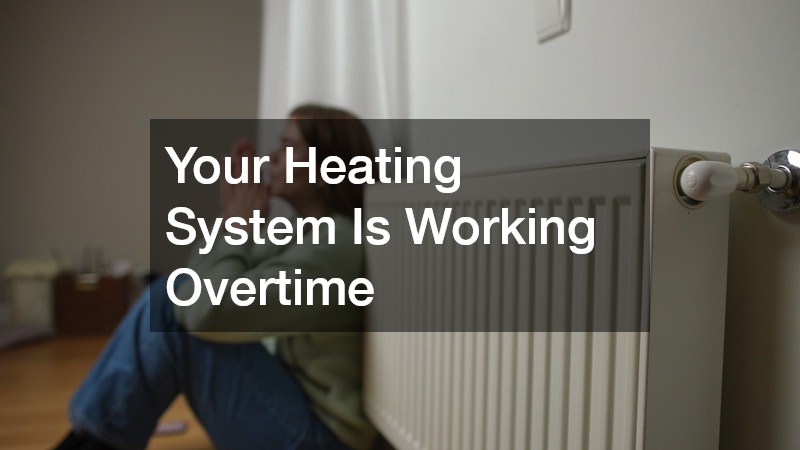
The single biggest driver of winter energy spikes is the heating system itself, which runs for hours at a stretch instead of cycling on and off briefly like it does in milder months. An HVAC system that was already struggling with dirty filters, low refrigerant, or worn components has to work much harder to hit the same thermostat setting once temperatures drop below freezing. That extra strain shows up directly on your bill, since inefficient equipment can burn through 20 to 30 percent more energy than a properly maintained system.
Scheduling a fall or early winter tune-up is one of the cheapest ways to prevent this problem before it starts. A technician can catch small issues, like a clogged condensate line or a failing capacitor, before they turn into full system failures during the coldest week of the year.
- Replace filters every 30 to 60 days during peak heating season
- Keep vents and returns clear of furniture and curtains
- Have ductwork checked for leaks that waste conditioned air
- Schedule professional maintenance before the first hard freeze
An Aging Furnace Struggles to Keep Up
Furnaces typically last 15 to 20 years, but efficiency declines well before that equipment finally quits. An older unit may still technically heat your home, but it does so by burning significantly more fuel to compensate for worn heat exchangers, corroded components, and outdated technology. If your energy bills have crept up year over year even though your habits haven’t changed, the age of your furnace is worth investigating.
In many cases, furnace replacement ends up saving homeowners more money than continuing to repair an old unit patch by patch. Modern high-efficiency furnaces can convert 95 percent or more of their fuel into usable heat, compared to 60 to 70 percent for units built decades ago. Getting a straightforward efficiency rating comparison from a technician can clarify whether repair or replacement makes more financial sense this winter.
Frozen and Overworked Pipes Waste Water and Energy
Cold snaps don’t just affect your furnace, they also put stress on your plumbing system in ways that quietly inflate your bill. Pipes running through unheated crawl spaces, attics, or exterior walls lose heat quickly, forcing water heaters to work harder to deliver hot water at the tap. A pipe that’s partially frozen restricts flow and can lead to hidden leaks once it thaws, sending water usage costs climbing along with heating costs.
If you’ve noticed reduced water pressure, unusual sounds in the walls, or a sudden jump in your water bill alongside your energy bill, it’s worth calling a residential plumber before minor issues become emergencies. A professional can insulate exposed pipes, check your water heater’s efficiency, and identify early signs of freezing damage that aren’t visible from inside your home.
- Insulate exposed pipes in basements, attics, and garages
- Let faucets drip slightly during extreme cold snaps
- Keep cabinet doors open under sinks on exterior walls
- Set your water heater to 120 degrees for efficient, safe operation
Roof Damage Lets Heat Escape Faster Than You Think

A roof in poor condition doesn’t just risk leaks, it also compromises your home’s ability to hold onto heat. Missing shingles, damaged flashing, and deteriorating underlayment create gaps where warm air escapes and cold drafts sneak in, forcing your heating system to compensate constantly. Homes with roofs older than 20 years are especially prone to this kind of hidden heat loss, even when there’s no visible sign of a leak.
An inspection from a residential roofing contractor before winter fully sets in can catch these problems while they’re still minor and inexpensive to fix. Attic insulation levels matter just as much as the roofing material itself, since poor insulation paired with an aging roof creates a one-two punch that drives bills higher every month it goes unaddressed.
Poor Insulation and Air Sealing Undo Your Heating Dollars
Even a perfectly running furnace can’t overcome a house that leaks heat through walls, attics, and foundation gaps. Insulation degrades over time, settling and losing its effectiveness, particularly in older homes that were built to lower standards decades ago. Air leaks around windows, doors, electrical outlets, and baseboards add up to the equivalent of leaving a window cracked open all winter long.
A simple way to identify problem areas is to walk the perimeter of your home on a cold, windy day and feel for drafts near openings and seams. Weatherstripping, caulking, and adding insulation to attics or crawl spaces are relatively low-cost fixes that often pay for themselves within a single heating season.
- Check for drafts around windows, doors, and outlet covers
- Add weatherstripping to exterior doors
- Top off attic insulation if it’s below the recommended depth
- Seal gaps around pipes and wiring that enter the home from outside
Structural Renovations Can Expose Hidden
Homeowners tackling a mid-winter renovation sometimes discover just how inefficient their home really was once walls come down. Any project involving demolition of old walls, flooring, or additions often reveals decades-old insulation that has settled, crumbled, or been installed incorrectly in the first place. Fiberglass batts sag over time, leaving gaps at the top of wall cavities, while blown-in insulation can compact to half its original depth after 20 or 30 years. This is frequently the moment when the true source of a chronic energy bill problem finally becomes visible. Contractors regularly find missing insulation around window headers, electrical boxes, and plumbing penetrations — small gaps that add up to significant heat loss. It’s also common to uncover knob-and-tube wiring surrounded by insulation it was never rated for, or vapor barriers installed on the wrong side of the wall, both of which compromise a home’s thermal performance. Demolition can also expose structural issues that have nothing to do with insulation directly but still drive up heating costs. Gaps between framing members, uninsulated rim joists in the basement, and poorly sealed sill plates are frequent culprits behind persistent drafts. Once these problem areas are opened up, it’s far cheaper to fix them properly than to wait for a future renovation, since re-insulating and air-sealing during an active project can cost a fraction of what it would to redo finished walls later.
If you’re already planning a renovation, it makes sense to have insulation and air sealing addressed while the walls are open rather than closing everything back up and missing the opportunity. Once drywall goes up, adding proper insulation becomes far more disruptive and expensive, so open-wall moments during a kitchen remodel, addition, or bathroom overhaul are prime time to fix problems you can’t normally see or reach. This is also when you’re likely to discover issues like missing insulation in exterior walls, gaps around window and door framing, or ductwork that was never properly sealed. Older homes in particular often have wall cavities that were never insulated to begin with, or insulation that has settled and left voids near the top of the wall. Spray foam, blown-in cellulose, or rigid foam board can all be added at this stage depending on the wall assembly and your budget. Coordinating this kind of work with general contractors who understand both the structural and energy efficiency side of a project ensures nothing gets overlooked before the drywall goes back up. A knowledgeable contractor can also loop in an energy auditor or use a blower door test mid-project to confirm the air sealing actually worked before everything is closed in. Skipping that verification step means you might not find out about a missed gap until next winter’s bills arrive.
Overgrown Yard Plants Increase Wind Exposure Around Your Home

The plants and layout around your home affect its energy performance more than most homeowners realize. Strategic landscaping can act as a windbreak, reducing the cold air that hits exterior walls and windows during winter storms, while poorly placed or removed vegetation can leave a home fully exposed to harsh winds. Homes on open lots without any buffering often experience noticeably higher heating demands than similar homes protected by trees or shrubs.
Evergreen trees and dense shrubs planted on the side of the house facing prevailing winter winds can meaningfully cut down on heat loss over time. This isn’t an instant fix, since trees take years to mature, but it’s worth factoring into any long-term plan for reducing seasonal energy costs.
Comfort Habits Inside the Home Add Up Quickly
Beyond the big mechanical systems, everyday habits inside the home contribute more to winter bills than people expect. Space heaters left running in bedrooms, humidifiers, and even extended showers to warm up after being cold outside all draw noticeably more energy during winter months. Small behavioral changes can meaningfully offset some of the increased demand from heating your home.
- Use a programmable thermostat to lower temperatures overnight
- Reserve space heaters for occasional use, not all-day operation
- Close blinds at night to add an extra layer of insulation at windows
- Run ceiling fans in reverse to push warm air back down from the ceiling
Unrelated Home Systems Still Draw on Your Winter Budget
Not every winter expense is directly tied to heating, but tight household budgets during this season mean every repair competes for the same dollars. Cold metal contracts and becomes more brittle, which is why garage door springs are especially prone to snapping when temperatures drop below freezing. When that happens, garage door spring repair suddenly becomes an urgent, non-negotiable expense — often running anywhere from $150 to $350 depending on the type of spring and labor rates in your area — landing right on top of an already-inflated energy bill. The timing rarely feels fair. A furnace working overtime and a broken garage door spring don’t care that your budget was already stretched thin from heating costs, and homeowners are often forced to choose between paying for one repair now and delaying another. Similarly, homeowners dealing with the stress of high bills sometimes deprioritize personal care needs that feel less urgent by comparison. Hair restoration consultations, cosmetic dental work, or elective wellness appointments are easy to push to “next month” when a cold snap has already driven up utility costs. This kind of delayed spending doesn’t show up on an energy bill, but it’s a direct, if less obvious, consequence of winter’s financial squeeze — a reminder that seasonal cost increases ripple outward into nearly every corner of a household budget.
It helps to separate true energy-related expenses from these adjacent seasonal costs so you can budget accurately rather than lumping everything into one confusing pile. Water heater strain, humidifier use, and even extra laundry loads from bulky winter clothing all show up on your utility bill, but they’re not the same as heating costs and deserve their own line item. Home maintenance is another category that quietly inflates your “winter energy” total. Furnace filter replacements, chimney sweeps, gutter guards to prevent ice dams, and emergency plumber calls for frozen pipes are seasonal necessities, but they’re maintenance expenses, not utility charges, and budgeting for them separately prevents sticker shock when the electric bill and a $200 furnace tune-up land in the same week. Reviewing your winter spending by category, rather than treating it as one large unavoidable expense, makes it easier to identify where you actually have room to cut back. Try breaking last winter’s bank and credit card statements into three buckets: heating and electricity, home maintenance, and seasonal purchases like salt or space heaters. Once you see the real breakdown, you’ll often find the maintenance and one-off purchases add up to more than the heating spike itself, and those are the costs you have the most control over trimming next year.
Exterior Siding Condition Affects Whole-Home Efficiency
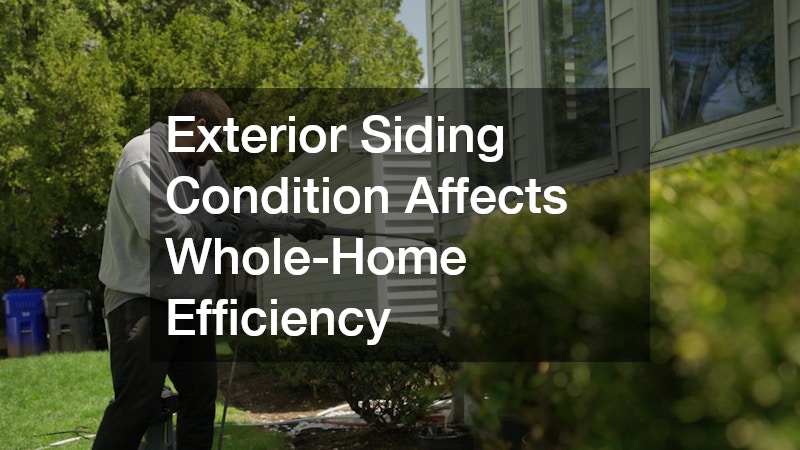
Siding does more than protect your home’s appearance, it forms a critical layer of defense against wind and moisture infiltration. Cracked, warped, or loose siding creates small gaps that let cold air work its way into wall cavities, undermining even well-installed insulation behind it. Homes with damaged or outdated siding often show a measurable difference in heating performance compared to homes with a tight, intact exterior envelope.
Consulting with residential siding contractors about the current condition of your exterior can reveal whether patch repairs are enough or whether a broader replacement would pay off through reduced energy loss. Newer siding materials also come with improved insulating backing, which adds another layer of efficiency beyond what older products were designed to provide.
Winter energy spikes rarely come from a single cause, they’re usually the result of several small inefficiencies compounding at once, from an aging furnace to gaps around windows to a roof that’s no longer doing its job. Walking through your home with a critical eye, and bringing in the right professional for the right problem, puts you back in control of where your money goes. Start with the systems working hardest right now, your heating equipment and your home’s exterior envelope, since those two areas typically offer the biggest and fastest return on any time or money you invest this season.
