
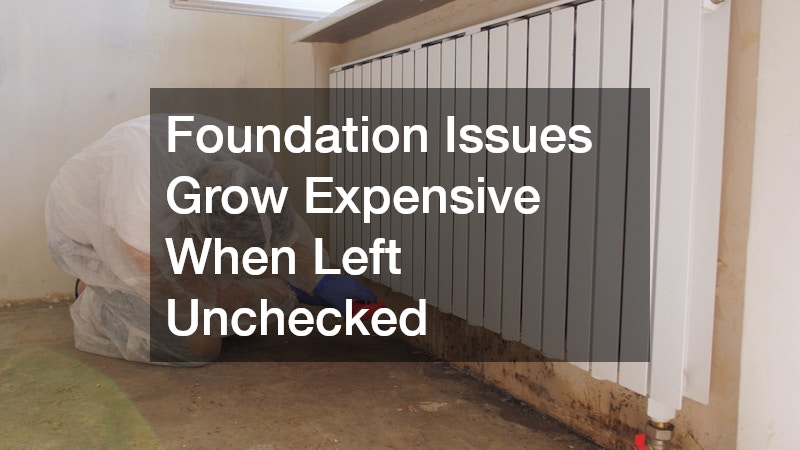
A small crack in your foundation might seem like nothing more than a cosmetic flaw, but foundations rarely stay quiet for long. What starts as a hairline fracture can grow into a structural problem that affects everything from your doors to your roofline, and the cost of fixing it multiplies the longer it sits untreated. Understanding how foundation damage spreads, and which warning signs demand immediate attention, can save homeowners thousands of dollars and years of frustration. This guide walks through the early indicators, the hidden systems affected, and the smart steps to take before a manageable repair becomes a major renovation.
Early Warning Signs of Foundation Movement
Foundation problems rarely announce themselves with a dramatic collapse. Instead, they show up as small, easy-to-dismiss quirks around the house that gradually worsen over time. Catching these signs early is the single best way to avoid a five-figure repair bill down the road.
- Doors and windows that stick or no longer latch properly
- Diagonal cracks near corners of windows or doorframes
- Uneven or sloping floors noticeable when you set down a ball
- Gaps forming between walls and ceilings
- Exterior cracks in brick or siding that widen over seasons
How Cracks Spread Through Walls and Ceilings
Once a foundation begins to shift, the structural stress travels upward through the framing and into interior finishes. A crack that starts near the foundation line can eventually appear on drywall two stories up, because the entire structure is interconnected. This is why homeowners often notice interior damage before they ever inspect the foundation itself.
The longer this movement continues, the more expensive the fix becomes, since repair crews must address not just the foundation but every surface affected above it. Many home remodeling contractors report that jobs which could have been simple patchwork years earlier turn into full wall replacements once cracks have spread. Addressing the root cause quickly limits the damage to a smaller, more manageable footprint.
Water Drainage Problems That Undermine Footings
Water is the single biggest enemy of a healthy foundation. Poor grading, clogged gutters, or broken downspouts allow water to pool near the foundation walls, softening the soil and creating uneven pressure underneath the footings. Even a modest issue, like a downspout that dumps water two feet from the wall instead of six, can funnel hundreds of gallons toward the foundation during a single heavy rainstorm. Over time, this saturation causes the soil to expand and contract, pushing against the foundation and creating cracks or bowing walls. Clay-heavy soils are especially prone to this cycle, swelling when wet and shrinking as they dry, which puts repeated stress on the concrete with every seasonal change. The grade around a house should slope away from the foundation at a rate of about six inches over the first ten feet. When that slope is reversed, whether from years of soil settling or poorly planned landscaping, runoff heads straight for the walls instead of away from them. Left unaddressed, these drainage failures rarely stay cosmetic for long. What starts as a hairline crack or a damp basement corner can progress into structural bowing, sticking doors and windows, or a foundation that requires steel piers to stabilize, turning a simple gutter repair into a five-figure repair bill.
Water pooling near a foundation is one of the most common — and most preventable — causes of costly structural damage. Simple landscaping choices can make a significant difference in protecting your home. Experts recommend grading soil so it slopes away from the foundation at a rate of at least six inches over the first ten feet, which keeps runoff moving away from the footings instead of soaking into the soil beside them. Downspouts deserve attention too. Extensions that carry water at least five to six feet away from the house prevent the concentrated streams that erode soil and create voids under footings. French drains offer another layer of protection, channeling groundwater away from the foundation before it has a chance to saturate the surrounding soil and increase hydrostatic pressure against basement walls. Homeowners who invest in proper residential paving around driveways and walkways can also help redirect runoff away from vulnerable foundation zones. Improperly sloped pavement often channels water straight toward the house instead of away from it, turning every rainstorm into a slow assault on the footings below. A qualified paving contractor can regrade these surfaces or install drainage channels along their edges, cutting off yet another pathway water uses to reach — and eventually undermine — your home’s foundation.
Tree Roots and Soil Movement Near the Foundation

Large trees planted too close to a home can wreak havoc on the foundation in two opposite ways. Their root systems can physically push against footings as they grow, while also drawing large amounts of moisture from the soil, causing it to shrink and shift unpredictably. Either scenario places uneven stress on the foundation that can lead to cracking or settling.
If a tree’s roots are already encroaching on the foundation, professional tree removal services can assess whether the tree needs to come down or whether root barriers might be enough to protect the structure. Waiting too long to address an aggressive root system often means the soil disruption has already begun, making the eventual foundation repair more extensive and costly.
Basement Moisture and the Risk of Hidden Growth
Foundation cracks often create pathways for moisture to seep into basements and crawl spaces, and that dampness rarely stays contained. Once moisture becomes trapped in dark, poorly ventilated areas, it creates ideal conditions for fungal growth on wood framing, insulation, and drywall. This hidden growth can spread for months before homeowners notice a musty smell or visible discoloration.
Because this kind of growth poses health risks in addition to structural ones, a professional mold assessment is often necessary before repair work begins. Skipping this step can mean sealing contamination behind new drywall, which allows it to continue spreading unseen. Addressing moisture intrusion at its source, rather than just patching the surface, protects both the home and the people living in it.
Structural Stress on Doors, Garage Systems, and Framing
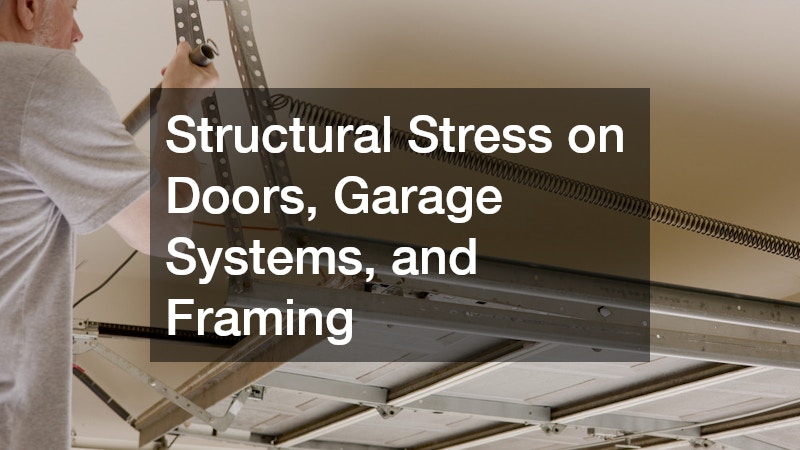
As a foundation settles unevenly, the frame of the house shifts in ways that put stress on anything built into it, including garage doors and their tracks. Homeowners often notice their garage door beginning to stick, grind, or misalign long before they connect the problem to the foundation beneath it. This misalignment usually means the door frame itself has shifted out of square.
In many cases, garage door installations that once operated smoothly need significant adjustment or full replacement once foundation settling has occurred, since the tracks and sensors depend on a level, square opening. Ignoring this symptom does not just risk garage door failure; it is often one of the clearest visible signals that foundation movement is actively progressing. Addressing the foundation issue promptly can prevent repeated garage door repairs that treat the symptom instead of the cause.
Roofing and Attic Consequences of Shifting Foundations
It might seem like a stretch to connect foundation problems to what’s happening at the very top of the house, but a shifting foundation can alter the shape of the entire structure, including the roofline. As walls settle unevenly, roof trusses can be pulled slightly out of alignment, leading to sagging sections, uneven shingle wear, or small gaps where flashing no longer sits correctly. Even a shift of half an inch at the foundation level can translate into several inches of movement by the time it reaches the roofline, since small distortions get magnified as they travel upward through the frame. These misalignments often show up in ways homeowners dismiss as cosmetic at first. Doors and windows that stick, cracks along interior ceilings, or a roofline that looks subtly wavy from the street can all point back to foundation movement rather than simple aging. An awning company may notice similar misalignment when installing or repairing attached awnings on a settling structure, since brackets that once sat flush against the wall no longer line up the way they should. In the attic, the effects can be even more telling. Rafters may separate slightly at their joints, insulation can shift out of place as framing bows, and ventilation gaps may widen or close unevenly, disrupting airflow that’s meant to keep moisture in check. Left unaddressed, these gaps and misalignments create entry points for water that compound existing structural problems, turning a foundation issue into a roofing and attic repair bill as well.
When a foundation settles unevenly, the frame above it racks out of square, and the roofline often shows the first visible evidence. Ridgelines that sag, rafters that separate from the ridge board, and gaps opening up around chimney flashing can all trace back to movement happening several stories below. Residential roofers who inspect a home for leaks sometimes discover that the true source of the problem is not aging shingles but a foundation issue distorting the roof deck below. This kind of shifting can also show up in the attic before it’s visible from the ground. Homeowners may notice daylight peeking through the ridge, insulation that has shifted out of place, or truss connections that have pulled loose from years of stress. A trained eye can often spot these clues weeks or months before a leak actually appears on the ceiling below. Coordinating an inspection that looks at both the foundation and the roof gives homeowners a clearer picture of how interconnected these systems are. A foundation contractor can assess whether piers, slabs, or footings have shifted, while a roofer evaluates whether decking, flashing, or truss alignment has been compromised as a result. Comparing notes between the two trades often reveals a single root cause rather than two unrelated repairs. Fixing the roof without addressing the foundation typically just delays the same water damage from reappearing. New shingles or fresh flashing might stop a leak for a season or two, but continued settling will simply reopen the same gaps. Addressing the foundation first, then correcting any resulting roof damage, is usually the only repair sequence that actually holds.
Plumbing Line Damage From Ground Shifting
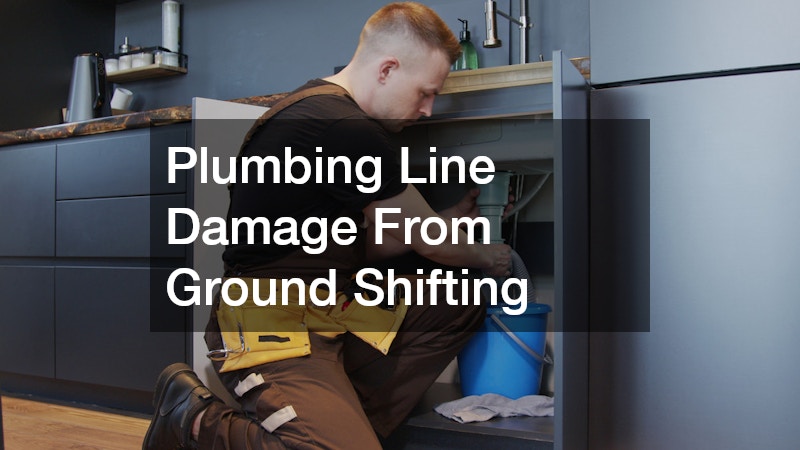
Underground plumbing lines are particularly vulnerable when soil beneath a foundation shifts, since pipes are rigid but the ground around them is not. Even small foundation movements can crack or separate pipe joints, leading to slow leaks that go undetected for months. These leaks then add even more moisture to the soil, creating a frustrating cycle that accelerates foundation deterioration.
A licensed plumber can perform a camera inspection of underground lines to check for cracks, misalignment, or root intrusion that often accompanies foundation settling. Catching a small leak early is far cheaper than repairing a saturated foundation later, since undetected water damage tends to spread quietly before symptoms appear elsewhere in the home. Regular plumbing checks should be part of any homeowner’s foundation maintenance routine, especially in older homes with clay or cast iron piping.
Temperature Swings and Their Effect on Foundation Stability
Extreme temperature changes cause soil to expand and contract, and this seasonal movement puts repeated stress on a foundation year after year. Homes in climates with harsh winters and hot summers are especially prone to this cycle, since freezing and thawing soil can heave foundations upward before settling them back down unevenly. This constant push and pull gradually weakens even well-built foundations over time.
Maintaining a stable indoor and outdoor environment can help reduce some of this stress, and this is where an efficient heating system plays an unexpected role. Keeping consistent indoor temperatures prevents extreme fluctuations that can affect moisture levels in the soil closest to the foundation, particularly in homes with basements or crawl spaces. Simple measures like insulating exposed pipes and maintaining consistent heating throughout colder months can also prevent frozen ground from expanding unevenly against foundation walls.
Planning Repairs Around a Home Sale or Relocation
Foundation issues become especially urgent when a home sale or move is on the horizon, since undisclosed structural problems can derail a transaction or trigger costly negotiations. Buyers and their inspectors are trained to look for the same warning signs discussed earlier, and unresolved foundation damage often results in lower offers or requests for expensive repairs before closing. Addressing the issue ahead of time gives sellers far more control over the outcome.
For homeowners who are relocating regardless of the foundation’s condition, coordinating timelines matters. Many moving companies in a given area require advance scheduling, and pairing that timeline with foundation repair work ensures the home is stable and market ready before it changes hands. Taking care of structural issues before listing a property typically results in a smoother sale and a stronger final price.
Foundation problems rarely stay small, and the systems connected to your foundation, from plumbing to roofing to garage doors, all suffer when the underlying issue is ignored. Recognizing the early signs and acting quickly is the most effective way to protect both your home’s value and your budget. If you have noticed any of the warning signs covered here, the smartest next step is scheduling a professional inspection before the damage spreads any further.
