

Leaving a home unoccupied for weeks at a time, whether for a long vacation, a seasonal move, or a work assignment, requires more preparation than simply locking the front door. An empty house is vulnerable to problems that can go unnoticed for days or weeks, from small leaks that become major water damage to pests that move in undisturbed. A little planning before you leave can mean the difference between coming home to a house that’s exactly as you left it and one facing a costly repair bill. This guide walks through the systems and structures worth checking before you go.
Inspect the Roof for Weak Spots
Your roof is your home’s first line of defense against weather, and it doesn’t take a hurricane to cause damage while you’re away. A missing shingle or a small gap around a vent can let water seep in slowly over weeks, causing rot and mold long before anyone notices. Before an extended absence, it’s worth having roofing contractors take a look at flashing, seals, and any areas prone to wear, especially if your roof is more than ten years old.
Catching a small problem now is far cheaper than repairing water damage to ceilings and insulation later. Many roofing contractors offer pre-travel inspections specifically for homeowners planning to be away for weeks, and the peace of mind is worth the modest cost.
- Check for curled, cracked, or missing shingles
- Look for signs of sagging near valleys or joints
- Confirm that vent boots and flashing are properly sealed
- Clear any debris that has built up on the surface
Clear and Secure the Gutter System
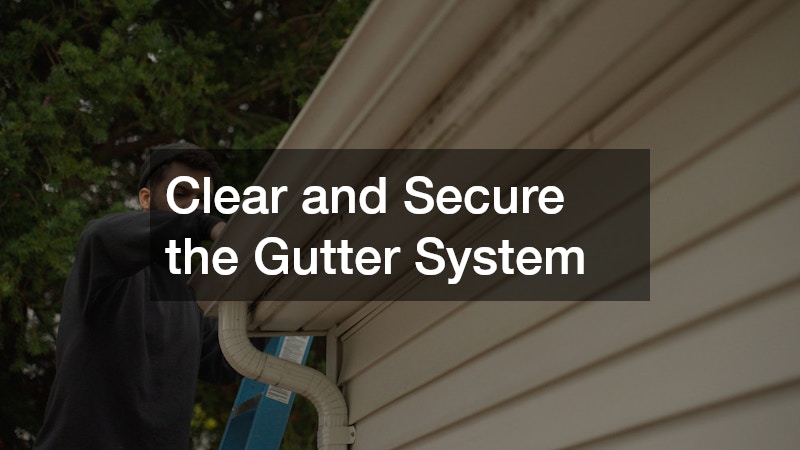
Gutters that are clogged with leaves and debris can’t do their job, and a heavy storm while you’re gone could send water pouring down your siding or pooling at the foundation. Seamless gutters are less prone to leaks at the joints than sectional ones, but they still need to be cleared of debris before you leave for an extended period. A quick inspection now prevents the kind of slow, unseen damage that often isn’t discovered until you’re back home.
If you’ve been considering an upgrade, installing seamless gutters before a long absence is a smart move, since they reduce the number of weak points where water can escape and cause damage to fascia boards or landscaping below.
- Remove leaves, twigs, and sediment from all gutter runs
- Check downspouts for clogs and proper drainage away from the foundation
- Tighten any loose brackets or hangers
- Confirm splash blocks or extensions direct water away from the house
Schedule a Chimney and Fireplace Check
If your home has a fireplace or wood stove, it’s easy to forget about it once the weather warms up or you’re focused on packing for a trip. But a chimney that hasn’t been cleaned can harbor nesting animals, creosote buildup, or blockages that pose a fire risk if anyone uses the fireplace before or after your trip. Hiring a chimney sweep before a long absence ensures the flue is clear and reduces the chance of an unpleasant surprise, whether that’s a smoky smell in the house or evidence of unwanted wildlife.
A chimney sweep can also flag structural issues like cracked mortar or a damaged cap that could let water in during a heavy rain. Since these problems often go unnoticed for months, having a professional look before you leave is far more reliable than a quick glance from the ground.
Confirm Your Fuel Levels are Safe
If your home relies on propane for heating, cooking, or a backup generator, it’s important to check tank levels and connections before an extended absence. A slow leak can go undetected for weeks in an empty house, creating a safety hazard and wasting fuel. Even a faint sulfur smell near the tank or appliances is worth investigating before you lock up.
As a general rule, don’t leave home if your propane tank is below 30%, especially heading into colder months when usage climbs. Running low mid-trip could mean a dead furnace, frozen pipes, or a generator that fails right when you need it. If you’re gone longer than a few weeks, consider arranging a mid-trip delivery so the tank never dips into risky territory.
Ask your propane supplier about a pre-departure inspection, particularly if you’ll be gone through a season with significant temperature swings that could affect tank pressure or usage. Have them check hose connections, regulators, and valves for corrosion or wear, since these are common failure points. It’s also worth confirming your supplier’s emergency contact process in case a neighbor or monitoring system flags a problem while you’re away.
- Verify tank levels are adequate for any systems that will keep running, such as a furnace, generator, or backup heat source — aim for at least half a tank if you’ll be gone more than a few weeks
- Ask your fuel provider about leak detection service or a smart sensor before you leave, since propane and oil leaks can go unnoticed for weeks in an empty home
- Make sure outdoor tanks and lines are protected from freezing or extreme heat, and check that valves and connections aren’t corroded or damaged
- Confirm automatic delivery schedules won’t result in a missed fill while you’re away, especially if winter weather could delay a scheduled truck route
- Leave a spare key, gate code, or access instructions with your provider in case they need to reach the tank while you’re gone
- Double-check that your provider has your current contact information so they can reach you about any issues with delivery or detected leaks
Arrange for Septic and Plumbing Care

An empty house doesn’t mean your septic system gets a break, especially if you have a sump pump, water softener, or irrigation system still running. Scheduling septic maintenance before a long trip ensures the tank isn’t nearing capacity and that there are no early warning signs of a backup, which is one of the last things you want to discover after weeks away. It’s also a good time to have a professional check for slow drains or unusual odors that could indicate a developing problem.
If your property has been due for a pump-out, doing it before you leave rather than after is far more practical. Septic maintenance performed proactively costs less and prevents the kind of emergency that can damage your yard or even your home’s foundation if left unaddressed for weeks.
Trim Trees and Branches Near the House
Overhanging branches are more than a cosmetic issue when no one is home to hear them creak in a storm. Dead limbs or trees that lean toward the roof, power lines, or windows can cause serious damage during high winds or heavy snow while you’re away, and nobody will be there to respond quickly. Bringing in a tree service before you leave to remove weak branches and assess the health of large trees near the house is a simple way to reduce risk.
- Look for cracked, dead, or hanging limbs near rooflines
- Check for trees leaning toward power lines or structures
- Trim branches that touch or scrape against siding or windows
- Ask about removing any trees showing signs of disease or instability
Set Up Pest Prevention Before You Go
An unoccupied home is an open invitation for rodents, insects, and other unwanted visitors, especially if there’s food residue, standing water, or small entry points around the foundation. Weeks of undisturbed quiet gives pests plenty of time to settle in and multiply before anyone notices. Bringing in a pest control company before you leave to seal entry points and set preventive treatments is far easier than dealing with an infestation after the fact.
Ask about treatments that last for the duration of your trip rather than a single application that wears off after a few weeks. A reputable pest control company can also identify vulnerable areas like gaps around pipes, vents, or the garage door that homeowners often overlook.
- Seal cracks and gaps around the foundation and utility entry points
- Remove food sources and empty trash before departure
- Ask about exterior perimeter treatments for long-term protection
- Check attics and crawl spaces for existing signs of activity
Protect Exterior Surfaces From the Elements

Weeks of sun, rain, or fluctuating temperatures can take a toll on your home’s exterior, particularly if the paint is already showing signs of wear. Applying paint protection before an extended absence helps siding and trim resist moisture intrusion, which is especially important since no one will be around to notice early signs of peeling or blistering. This is particularly worthwhile for homes in climates with heavy seasonal rain or intense sun exposure.
If your exterior paint is more than a few years old, consider having a professional apply a protective sealant or touch up problem areas before you leave. Paint protection is a relatively small investment compared to the cost of repainting an entire exterior after moisture damage has set in.
Automate Lighting and Security Monitoring
A house that looks obviously empty is more attractive to burglars, and modern technology makes it easy to create the appearance of activity even when you’re hundreds of miles away. Home automation systems can control lights, thermostats, and even window blinds on randomized schedules, making the property look lived-in throughout your absence. Many systems also allow you to monitor cameras and receive alerts directly on your phone, so you’re not relying on a neighbor to notice something wrong.
Beyond security, home automation can help manage energy use while you’re gone by adjusting heating and cooling based on actual conditions rather than running on a fixed schedule. This reduces utility costs and lowers the risk of temperature-related issues like frozen pipes or excessive humidity indoors.
- Set lights on randomized timers rather than a single on/off schedule
- Use smart thermostats to maintain safe temperature ranges
- Install cameras with mobile alerts for real-time monitoring
- Consider smart locks to allow trusted access without spare keys
Time Larger Renovation Projects Around Your Absence

If you’ve been putting off a bigger project, a planned absence can actually be a good opportunity to get it done without disrupting daily life. Kitchen remodeling, for example, creates dust, noise, and limited access to the space, all of which are far easier to tolerate when no one is living in the house day to day. Scheduling kitchen remodeling work to overlap with your travel dates means you return to a finished space instead of living through the mess.
Beyond kitchens, this same strategy works well for bathroom renovations, flooring replacement, or interior painting throughout the house — projects that typically require you to work around wet surfaces, fumes, or rooms being blocked off for days at a time. A two-week trip might align nicely with a bathroom tear-out and retile, while a month away could cover a full kitchen remodel from demolition to final inspection.
Before you leave, get a written timeline from your contractor that accounts for potential delays, since permit approvals, material backorders, or subcontractor scheduling can push a project past your return date. Ask specifically who will have a key or access code, how often they’ll be on-site, and who to call if something goes wrong while you’re unreachable. It’s also worth arranging for a neighbor, property manager, or friend to do periodic walkthroughs, so unfinished work, exposed wiring, or unlocked doors don’t sit unnoticed for days.
Extended time away is actually an ideal window for renovations that would otherwise disrupt daily life, like refinishing floors, replacing windows, or repainting an entire interior. Coordinate closely with your contractor before you leave, and put the project timeline in writing so both of you agree on start dates, expected completion, and what happens if delays occur.
Leave clear instructions for access, whether that’s a lockbox code, a spare key with a neighbor, or a scheduled walkthrough with your property manager. Specify which rooms or areas are off-limits and confirm how utilities like water and electricity should be handled if work requires them to be shut off periodically.
It’s worth having a trusted friend, neighbor, or property manager check on progress every few days, even if it’s just a quick photo update. This gives you an early warning if the project falls behind schedule or if unexpected issues, like water damage or structural surprises, crop up mid-renovation.
Just be sure any major project is far enough along, or fully wrapped up, before you return. A two-week buffer between the contractor’s projected finish date and your arrival home gives room for the inevitable delays, so you’re not managing a work site, dust, or missing appliances the moment you walk back through the door.
Conclusion
Preparing a property for weeks of vacancy takes more effort than a quick walk-through the night before you leave, but it’s effort that pays off in avoided repairs and fewer surprises. Start with the systems most likely to cause damage if ignored, like the roof, gutters, and plumbing, then work through security, pest prevention, and exterior care. Give yourself at least a week or two before departure to schedule any professional inspections or services, since many of these providers book up quickly. With the right preparation, you can leave with confidence that your home will be waiting for you in the same condition you left it.
