
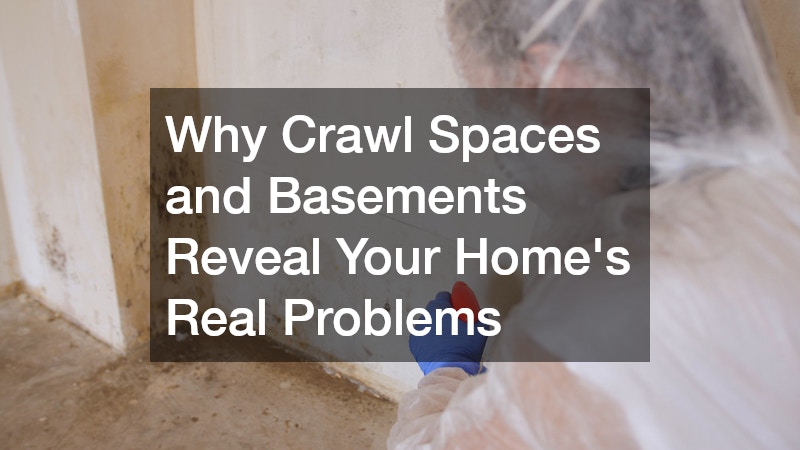
Most homeowners never think about their crawl space or basement until something goes wrong, but these overlooked areas are often the first place your house tells the truth. Musty odors, sagging floors, and unexplained cracks rarely start where you see them; they start below, where moisture, poor ventilation, and aging systems quietly do damage for years. Learning to read the signs in these hidden spaces can save you thousands of dollars and help you catch small issues before they become structural emergencies. This guide walks through the most common problems lurking beneath your home and what they might be telling you about the rest of the house.
Musty Odors and Hidden Moisture Problems

A damp, earthy smell coming from your basement or crawl space is rarely just an odor problem, it is usually a moisture problem in disguise. That musty smell is often the byproduct of mold and mildew colonies already at work, since these organisms release microbial volatile organic compounds (MVOCs) as they grow. Ideally, indoor relative humidity should stay between 30% and 50%, but many crawl spaces and basements regularly exceed 70%, which is well within the range mold needs to thrive. Excess humidity in these spaces creates the perfect environment for mold and mildew, which can spread into wall cavities and flooring above without you noticing right away. Mold doesn’t stay put, it travels through subfloor insulation, up wall studs, and into HVAC systems, where spores get circulated throughout the entire house. By the time you notice discoloration or allergy symptoms upstairs, the contamination below may already be extensive. Persistent moisture also attracts pests and accelerates wood rot, which weakens the structural members supporting your entire home. Termites, carpenter ants, and silverfish are all drawn to damp wood, and their activity compounds the damage already being done by fungal decay. Left unchecked, wood-destroying fungi can reduce a joist’s load-bearing capacity significantly within just a few years, turning what started as a smell into a costly structural repair.
That musty smell is usually moisture reacting with organic material like wood framing, insulation, or dust, and it rarely goes away on its own. Tracking down the source often means checking gutters, grading, and plumbing before assuming the worst. Clogged gutters or downspouts that dump water too close to the foundation are common culprits, as is ground that slopes toward the house instead of away from it. A neglected septic system can also be a hidden contributor, so if your septic tank pumping is overdue, backed-up wastewater or saturated drain fields may be adding excess moisture near the foundation. Inside, look for water stains on joists, efflorescence (that white chalky residue) on foundation walls, or condensation on pipes during humid months. A hygrometer can help confirm suspicions—crawl space humidity above 55-60% is a red flag for mold growth and wood rot, even if you can’t see standing water. Sometimes the fix is as simple as improving airflow with a vent fan, sealing gaps around utility penetrations, or adding a dehumidifier rated for the space’s square footage. Other times, especially when the smell keeps returning after DIY fixes, it points to a bigger drainage issue like a high water table, a failing sump pump, or hydrostatic pressure pushing water through foundation walls. In those cases, a professional assessment can save you from masking a symptom while the underlying damage continues to spread.
- Check for standing water or damp soil 24-48 hours after rainstorms, especially in low corners or near foundation walls
- Look for white, chalky mineral deposits (efflorescence) on foundation walls, which signal water has been seeping through and evaporating
- Notice condensation on pipes or ductwork, particularly in summer when humid air meets cool metal surfaces
- Pay attention to warped wood, buckling floors, or peeling paint near the floor, all signs of prolonged moisture exposure
- Use a simple hygrometer to check humidity levels; anything consistently above 55-60% invites mold and wood rot
- Sniff for musty, earthy odors that linger even after airing out the space, a telltale sign of active mold growth
- Inspect insulation for dark stains, sagging, or a damp, heavy feel, which often means it’s trapping rather than blocking moisture
Cracked Foundations and Settling Walls
Hairline cracks in poured concrete are common and often harmless, but wider cracks, horizontal cracks, or ones that seem to grow over time are a different story. These can indicate soil movement, water pressure against the foundation walls, or settling that has gone on for years without being addressed. Left unchecked, foundation issues can lead to uneven floors, sticking doors, and even structural instability.
Not every crack requires a major repair, but it is worth having a professional assess the pattern and depth to rule out serious movement. Foundation problems rarely fix themselves, and the cost of repair typically grows the longer you wait.
- Horizontal cracks often signal soil pressure issues
- Stair-step cracks in block walls suggest settling
- Cracks wider than a quarter inch deserve professional evaluation
- Bulging or bowing walls need immediate attention
Roof Leaks That Show Up Two Floors Down

It might seem strange, but water stains in a basement can sometimes trace back to a compromised roof rather than a foundation issue. Water finds the path of least resistance, traveling along framing, pipes, and wiring until it pools somewhere far from where it entered. If you notice staining on basement ceilings or unexplained dampness near interior walls, it is worth having your attic and roofline inspected as part of the investigation.
Roofers who specialize in diagnosing hidden leaks can often identify the entry point using moisture meters and a careful inspection of flashing, valleys, and vent boots. Catching a small leak early usually means a simple patch rather than a full roof repair and replacement down the road. Ignoring the signs, on the other hand, can lead to rotted decking and a much larger bill.
- Check attic insulation for dark, matted spots after storms
- Look for daylight through the roof decking in the attic
- Inspect flashing around chimneys and vents for gaps
- Watch for missing or curling shingles after high winds
Sagging Floor Joists and Structural Support Issues
If floors feel bouncy or uneven when you walk across them, the culprit is often found in the crawl space below, where joists and support beams may be sagging, rotting, or improperly spaced. Excess moisture is usually the root cause, softening wood over time until it can no longer bear the weight it was designed for. This is one of the clearest examples of how a hidden space problem becomes a very visible, everyday inconvenience.
A visual inspection of the crawl space can reveal cracked support posts, undersized beams, or joists that have pulled away from the sill plate. These issues are fixable, but they require addressing the moisture source first, otherwise any structural repair will simply fail again in a few years.
- Look for visible sagging between floor joists
- Check support posts for cracking or leaning
- Inspect beams for soft, spongy spots
- Note any gaps where joists meet the foundation wall
Failing Sump Pumps and Drainage Systems
A sump pump works quietly in the background until the day it does not, and that is usually when homeowners discover just how much water their property actually needs to manage. A failed pump during a heavy storm can flood a basement in a matter of hours, damaging flooring, stored belongings, and drywall. Testing the pump periodically and keeping the discharge line clear are simple habits that prevent much larger headaches.
Beyond the pump itself, the surrounding drainage system, including French drains and gravel beds, plays a major role in keeping water away from your foundation. If water keeps returning to the same low spot in your basement, the system may need a redesign rather than another patch job. Addressing drainage early is almost always cheaper than dealing with repeated water damage.
- Test your sump pump by pouring water into the pit
- Clear debris from the discharge line each season
- Consider a battery backup for power outages
- Check that the drain tile has not become clogged with sediment
Backed-Up Septic Systems and Sewage Odors
A basement that smells like sewage, rather than simple mustiness, points to a very different kind of problem, one connected to your septic tank or sewer line. Slow drains throughout the house, gurgling sounds, or standing water near the septic tank in the yard are all signs that the system is struggling to keep up. Ignoring these symptoms can lead to a full backup, which is both expensive and unpleasant to clean up.
Regular septic pumping is one of the most effective ways to prevent this kind of emergency, since it removes solid waste before it can clog the system’s drain field. Most households benefit from having a professional inspect the septic tank annually to catch small issues before they escalate into costly repairs. Staying on schedule with maintenance is far cheaper than replacing a failed drain field.
- Watch for slow drains in multiple fixtures at once
- Notice soggy or unusually green patches over the drain field
- Keep a written record of past septic pumping visits and tank inspections
- Avoid flushing wipes, grease, or harsh chemicals that strain the system
Poor Insulation and Uneven Home Temperatures

If certain rooms are always colder in winter and hotter in summer, the crawl space or basement is often to blame. Gaps in insulation allow conditioned air to escape and outside temperatures to seep in, forcing your HVAC system to work harder than it should. This not only raises energy bills but also puts extra wear on equipment that was never designed to fight a losing battle against uncontrolled airflow.
Many homeowners find that upgrading insulation in these spaces makes a noticeable difference within the first heating or cooling season. Spray foam insulation contractors can seal gaps around rim joists and vents that traditional batt insulation tends to miss, creating a more consistent barrier against outside air. Working with experienced insulation contractors also ensures the material is rated for the moisture levels typically found in crawl spaces and basements.
- Feel for drafts near rim joists and foundation vents
- Check for compressed or falling insulation batts
- Look for pest nesting material inside insulation
- Compare energy bills season to season for unexplained spikes
Pest Infestations Hiding in Dark, Damp Corners
Crawl spaces and basements offer exactly what pests look for: shelter, moisture, and darkness. Termites, carpenter ants, and rodents can cause significant damage long before they become visible anywhere else in the house. Because these areas are rarely inspected regularly, infestations often have months or even years to establish themselves.
A thorough inspection should include checking wood framing for tunneling or frass, looking for droppings near stored items, and noting any unusual holes in insulation or vapor barriers. Addressing the moisture problem that attracted the pests in the first place is just as important as removing the pests themselves, otherwise new infestations tend to follow. If insulation has been damaged or removed during the process, a residential insulation contractor can help restore it properly while ensuring the vapor barrier is sealed against future moisture and pest issues.
- Check exposed wood for small holes or sawdust-like debris
- Look for rodent droppings near storage boxes or wiring
- Inspect vapor barriers for chew marks or tears
- Seal exterior entry points around pipes and vents
When to Bring in a Professional Inspector

While homeowners can catch many warning signs on their own, some problems require a trained eye and specialized equipment to diagnose accurately. A professional inspection can reveal issues like hidden water intrusion, structural movement, or early-stage mold growth that are easy to miss during a casual walkthrough. This is especially important before buying a home or after a major storm event.
Getting quotes from multiple specialists, whether for foundation repair, drainage improvements, or roofing repairs, helps homeowners understand the true scope of a problem before committing to a fix. A second opinion can also confirm whether an issue is cosmetic or something that genuinely threatens the home’s structure. Investing in a thorough inspection now is almost always cheaper than discovering a major problem later.
- Schedule an inspection before buying or selling a home
- Bring in a specialist after any major flooding event
- Ask for written reports with photos documenting findings
- Get at least two opinions for any large repair estimate
Your crawl space and basement are more than storage areas or afterthoughts, they are early warning systems for the rest of your home. Paying attention to smells, cracks, moisture, and temperature changes can help you catch small problems before they turn into expensive repairs. The next step is simple: set aside time this season to inspect these spaces yourself, and do not hesitate to call in a professional if something does not look or feel right. A little diligence now can protect both your home’s structure and your budget for years to come.
