

Maintaining a home is one of the most significant financial commitments most people will ever make. While many property owners view routine maintenance as a tedious chore or an inconvenient expense, seasoned real estate investors and smart homeowners recognize it for what it truly is: a high-yield investment strategy. Proactive maintenance preserves structural integrity, prevents costly emergency repairs, and consistently drives up property value over time.
Failing to address small issues early almost always leads to compounded damage. A minor slow drip behind a wall can decay framing and foster mold, turning a tiny fix into a five-figure remediation project. Conversely, staying ahead of property upkeep allows you to dictate your budget, protect your equity, and maximize your return on investment when it comes time to sell or lease.
This guide breaks down essential, high-ROI property maintenance strategies into clear, practical focus areas. By taking a systematic approach to your roof, entry points, outdoor living areas, major interior systems, and financial risk controls, you can keep your property operating at peak value year-round.
Roof and Overhead Weatherization Strategies
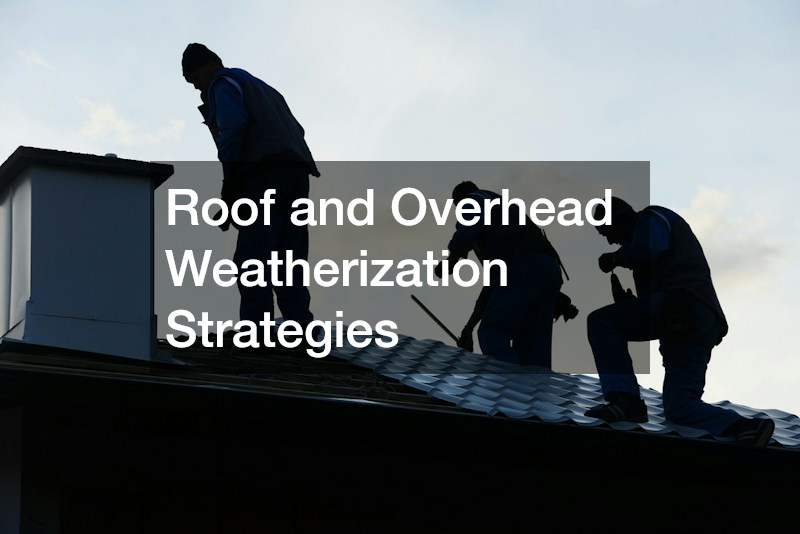
The overhead structure of your home serves as its primary shield against rain, snow, wind, and UV radiation. Once water breaches the outer envelope of a building, the rate of structural degradation accelerates rapidly. Inspecting and fortifying your roof and windows creates a tight barrier that preserves structural timber, insulation efficiency, and interior finishes.
Annual Flashing, Shingle, and Gutter Inspections
A comprehensive roof check should occur at least once a year, ideally in late autumn after leaves have fallen, or in early spring after heavy winter storms. Key areas to evaluate include:
- Shingle condition: Look for curling edges, cracked surfaces, or widespread granule loss in your gutters, which indicates shingles are nearing the end of their functional lifespan.
- Flashing integrity: Inspect the metal strips surrounding chimneys, skylights, and roof vents. Rust, compromised sealant, or pulled nails in these areas represent the primary source of hidden water leaks.
- Gutter drainage: Clear out debris to ensure water flows freely away from the fascia boards. Standing water in gutters causes wood rot along the roofline and pushes water upward under the bottom row of shingles.
While basic ground-level visual checks can be performed safely by any property owner, walking high-pitched roofs carries inherent risk. Knowing when a minor patching job suffices versus when to consult a certified local roofer for an overhead assessment can save thousands of dollars in water damage down the line.
Thermal Seal Checks and Glass Frame Upgrades
Windows represent another major vulnerability in a home’s thermal envelope. Over time, house settling and temperature fluctuations cause frames to shift and seals to fail, resulting in unwanted air exchange and spiking utility bills.
Perform a seasonal sweep of every window in your home:
- Check for fogging or condensation trapped between glass panes, which indicates a failed seal in double- or triple-pane units.
- Test for drafts along the sash edges using a lit incense stick or a thermal leak detector.
- Inspect exterior caulking around window trim, scraping away cracked, hardened material and applying fresh, high-grade exterior sealant.
When frames become warped or single-pane units draw down your property’s efficiency ratings, replacing them becomes necessary. Sourcing high-efficiency replacement units through reputable window suppliers allows you to select frames with superior thermal breaks and low-emissivity glass coatings, significantly cutting energy loss and elevating overall market value.
Structural Security and Ground-Level Entry Maintenance
Ground-level access points bear the brunt of daily physical wear and environmental exposure. Heavy moving parts, exposure to ground moisture, and proximity to soil make these areas susceptible to mechanical breakdown and pest intrusion if neglected.
Mechanical Tuning and Barrier Insulation for Vehicle Access
The largest moving mechanism on most residential properties is the overhead entrance to the garage. Because it is operated multiple times a day, regular mechanical servicing is essential for both safety and energy management.
- Lubricate moving parts: Apply a silicone- or lithium-based spray lubricant to tracks, rollers, hinges, and springs twice annually. Avoid using standard penetrating oils, which attract dirt and grime.
- Balance testing: Disconnect the automatic opener and manually lift the door halfway. If it fails to stay in place, the tension springs are out of balance and require professional adjustment.
- Bottom seal replacement: Inspect the rubber weatherstripping along the base. A worn seal allows cold air, surface water, and small animals to enter your garage space.
Taking time to service and realign your garage door ensures smooth daily operation, prevents costly opener motor burnouts, and keeps your garage space dry and climate-controlled.
Subterranean and Pest Vulnerability Shielding
Pest management is often treated as a reactive response to an active invasion, but the highest ROI comes from preventative perimeter defense. Wood-destroying insects like termites and carpenter ants can quietly hollow out foundational studs and floor joists long before visible signs appear indoors.
Implement a preventative boundary protocol:
- Maintain a minimum six-inch clear zone between soil or mulch and the bottom of your exterior siding.
- Store firewood, lumber, and cardboard boxes off the ground and at least twenty feet away from exterior walls.
- Seal pipe penetrations, utility entry points, and foundation cracks with expandable foam combined with copper mesh to deter rodents.
Partnering with a licensed extermination company to establish annual monitoring stations and soil barriers ensures that subtle infestations are caught and treated long before structural framing is compromised.
Outdoor Living Upgrades and Exterior Structure Longevity

Outdoor living spaces have evolved from simple yard features into major extensions of interior square footage. Buyers and tenants actively seek out functional, well-maintained exterior areas, making outdoor upkeep a major driver of property valuation.
Substructure Upkeep and Outdoor Extension Upgrades
Exterior structures built from timber or composite material face continuous exposure to rain, ice, and intense sunlight. Maintaining structural safety and visual appeal requires regular attention to both surface finishes and hidden support members.
- Ledger board inspection: Verify that the primary attachment point between your outdoor structure and the house foundation is secured with heavy-duty lag screws or through-bolts, not standard nails.
- Hardware check: Look for rusting joist hangers, loose post bases, and split timber beams underneath the platform.
- Surface treatments: Clean and apply a penetrating sealer or stain to wooden decking every two to three years to prevent splintering, warping, and rot.
If your property lacks a dedicated exterior entertainment zone, planning a high-quality deck install provides one of the highest cost-to-value returns of any residential remodeling project. Utilizing modern composite materials lowers ongoing maintenance demands while creating a high-end space that appeals directly to prospective buyers.
Adapting High-End Architectural Maintenance Standards
Properties that hold their value best over long periods are those maintained using commercial-grade or luxury residential standards. Rather than waiting for materials to fail, high-end property management relies on scheduled replacement cycles and premium material selection.
To implement this approach on any home:
- Transition away from cheap vinyl or low-grade materials during repairs, upgrading instead to fiber-cement siding, solid trim, and durable architectural hardware.
- Establish a documented service log for every major exterior system, recording paint dates, sealer applications, and hardware checks.
- Model your maintenance intervals and material choices after practices used in custom homes, where durability and detail take priority over quick visual fixes.
By treating your standard residential property with the same care and material quality found in luxury builds, you significantly reduce overall lifecycle costs while maximizing long-term equity.
High-Traffic Interior Surfaces and Kitchen Equity Drivers
The interior of a property dictates daily quality of life and serves as the primary focal point during appraisals and buyer walkthroughs. Focusing your maintenance budget on heavy-use areas—specifically kitchens and central mechanical systems—ensures high functional reliability and maximum aesthetic appeal.
Stone Care and Surface Sealing Procedures
Kitchen counters endure constant contact with heat, acidic foods, heavy cookware, and moisture. Premium natural stone surfaces are exceptionally durable, but they require specific maintenance protocols to prevent permanent damage.
- Daily cleaning: Avoid harsh chemical sprays, acidic cleaners, or abrasive scrubbing pads that can strip away protective sealants or dull polished finishes. Stick to pH-neutral stone cleaners or mild dish soap and warm water.
- Absorption testing: Test your stone surfaces annually by placing a few drops of water on the surface. If the water darkens the stone within fifteen minutes rather than beading up, the stone is absorbing liquid and needs to be re-sealed.
- Sealer application: Apply a penetrating stone sealer evenly across the clean, dry surface, allowing it to soak into the pores before buffing off any excess.
Taking proper care of natural granite countertops preserves their deep color, prevents stubborn oil or wine stains, and maintains the high-end appeal that kitchens demand.
Central HVAC Optimization and Mechanical Efficiency
Your heating and cooling equipment works harder than almost any other system in the building. Poorly maintained mechanical units draw significantly more electricity, fail prematurely, and introduce dust, allergens, and excess humidity into living quarters.
Maintain your central air and heating systems with a disciplined checklist:
- Filter changes: Replace air filters every one to three months depending on household size and pet presence. Clogged filters restrict airflow, forcing the compressor to work harder and overheating the blower motor.
- Condensate line maintenance: Pour a cup of diluted white vinegar down the HVAC condensate drain line every few months to clear algae buildup and prevent drain line clogs that cause indoor water overflows.
- Outdoor coil cleaning: Keep the exterior condenser unit free of leaves, grass clippings, and debris. Gently spray the metal cooling fins with a hose annually to clear out packed dirt.
In addition to DIY upkeep, arranging an annual tune-up with a professional AC repair company guarantees that refrigerant levels are balanced, electrical connections are secure, and mechanical components run at maximum efficiency during peak summer and winter months.
Financial Risk Management and Policy Optimization

Proper maintenance is not limited to hammers, nails, and paintbrushes. Safeguarding your physical property investments with calibrated financial instruments is just as critical to preserving your overall net worth.
Comprehensive Coverage Audits for Primary Residences
As construction material costs, labor rates, and local real estate values fluctuate, static insurance coverage can leave a property severely underinsured. An annual policy audit ensures that your coverage keeps pace with real-world rebuilding costs.
- Rebuilding cost alignment: Ensure your policy covers the actual cost to rebuild the structure from the ground up, rather than simply matching your current mortgage balance or property tax assessment value.
- Document upgrades: Notify your carrier whenever you complete major property improvements, such as a roof replacement, structural addition, or electrical panel upgrade. Many insurers offer discounts for risk-mitigating updates.
- Evaluate specialized endorsements: Standard policies often exclude specific perils. Consider adding riders for sewer water backup, equipment breakdown, or foundation coverage based on your geographic location.
Regularly reviewing your primary homeowners insurance terms guarantees that if a storm, fire, or catastrophic plumbing failure occurs, your financial recovery will be swift and complete.
Risk Mitigation for Investment Properties and Lease Units
Managing rental properties introduces unique liability risks and maintenance challenges. Property owners must protect their physical structures while ensuring tenants take personal responsibility for their belongings and daily actions.
Key risk-mitigation steps for rental owners include:
- Clear lease boundaries: Outline explicit tenant responsibilities in lease agreements, including prompt reporting of water leaks, replacing air filters, and keeping outdoor walkways clear.
- Routine property inspections: Conduct formal semi-annual walkthroughs to check smoke detectors, look under sinks for slow plumbing drips, and check the condition of structural elements.
- Mandatory coverage policies: Require every tenant to secure and maintain an active policy through an established rental insurance company before handing over the keys.
Enforcing tenant coverage protects the landlord from liability claims related to lost personal property during a disaster and ensures that displaced tenants have temporary housing coverage without triggering landlord dispute claims.
Using This Guide as a Homeowner

Proactive property care transforms routine homeownership from an unpredictable expense into an equity-building asset management plan. By treating your property with a structured checklist—focusing on the roof envelope, physical security points, outdoor living spaces, interior mechanicals, and calibrated policy coverage—you effectively eliminate expensive emergency surprises and keep your real estate operating at peak performance.
