

Improving a home is about more than making it look better. The exterior protects the structure from weather, while the home’s plumbing, electrical, heating, and cooling systems affect everyday comfort, safety, and efficiency. When these areas are maintained together, homeowners can address problems before they require expensive repairs and create a more functional property from the ground up.
A successful improvement plan starts with understanding the home’s current condition. Instead of immediately replacing or renovating individual features, take time to identify which repairs are most urgent, which upgrades can improve performance, and which cosmetic changes can wait. A coordinated approach can also prevent one project from damaging or interfering with another.
Start With A Thorough Property Assessment

Before investing in major improvements, walk around the entire property and document its current condition. Look at the driveway, walkways, landscaping, roof, exterior walls, windows, doors, deck, drainage systems, and outdoor electrical fixtures. Inside the home, pay attention to signs of plumbing, electrical, heating, or cooling problems.
Taking photographs can make it easier to monitor changes over time. You can also create a simple list that categorizes projects according to their urgency:
- Immediate repairs: Safety hazards, active leaks, structural concerns, and serious electrical problems should receive priority.
- Preventive maintenance: Gutter cleaning, roof inspections, sealing cracks, and servicing mechanical equipment can help prevent future problems.
- Functional upgrades: Improved drainage, outdoor lighting, updated walkways, or better ventilation can make the property easier and more comfortable to use.
- Cosmetic improvements: Landscaping, decorative features, and other appearance-focused projects can generally be scheduled after more important repairs.
Consider how projects interact with one another. For example, installing new landscaping before correcting a drainage problem could result in damaged plants, displaced soil, or standing water. Similarly, exterior construction should account for buried utility lines and existing electrical or plumbing infrastructure.
Repair And Protect Your Driveway And Walkways
Driveways and walkways are constantly exposed to sunlight, rain, snow, ice, and vehicle and foot traffic. Small cracks or uneven areas can gradually become larger problems, particularly when water penetrates the surface and freezes during colder weather.
Inspect paved surfaces regularly for cracks, potholes, crumbling edges, discoloration, and areas where water collects. Pay particular attention to places where the driveway meets the foundation, garage, sidewalk, or drainage systems.
For significant deterioration, an asphalt contractor can determine whether the surface requires patching, resurfacing, or replacement. The right solution depends on factors such as the severity of the damage, the condition of the underlying base, drainage, and the pavement’s age.
Homeowners should also consider the slope of paved areas. Water should generally be directed away from the home’s foundation rather than allowed to pool alongside it. Correcting drainage problems at the same time as pavement repairs can help protect the investment.
Create A Functional Landscape Layout

A landscape should complement the home’s structure while also serving practical purposes. Instead of simply adding plants wherever space is available, consider how different areas of the property will be used throughout the year.
Hardscaping can help organize outdoor spaces by creating defined patios, walkways, seating areas, borders, and transitions between different sections of the yard. Durable materials can also reduce the amount of lawn or exposed soil that requires regular maintenance.
Before installing new features, consider:
- Where rainwater naturally flows across the property.
- How much sunlight do different areas receive?
- Whether the ground is level or sloped.
- How people will move between outdoor spaces.
- How much maintenance the homeowner is willing to perform.
- Whether future projects could require access to buried utilities.
Materials should also be selected based on their intended use. A heavily traveled walkway may require different materials than a decorative garden border, while a patio designed for outdoor furniture needs a stable, level surface.
Avoid adding too many features at once. A well-designed exterior generally benefits from a cohesive layout rather than a collection of unrelated additions. Start with essential pathways, drainage, and functional spaces before adding decorative elements.
Manage Slopes And Prevent Soil Movement
Properties with hills or significant changes in elevation require additional planning. Water naturally flows downhill, and uncontrolled runoff can erode soil, damage landscaping, expose roots, and eventually affect nearby structures.
Watch for signs of erosion or soil movement, including:
- Bare or exposed soil after rainfall.
- Deep channels created by running water.
- Leaning fences or landscape features.
- Cracks are developing near sloped areas.
- Exposed plant roots.
- Soil is collected at the bottom of a hill.
- Water pooling near foundations.
A retaining wall can sometimes help stabilize a slope and create more usable space. However, these structures need proper planning. A wall must be designed to withstand the pressure created by the soil behind it, and drainage is particularly important. Water that becomes trapped behind a wall can increase pressure and contribute to premature failure.
Homeowners should not treat the visible symptoms alone. If water is causing erosion, determine where it originates and how it moves across the property. Improving grading, installing appropriate drainage, or redirecting downspouts may be necessary alongside any structural landscaping work.
Keep Water Systems And Drainage Working Properly

Water-related problems can cause extensive damage if left unnoticed. A dripping exterior faucet may seem insignificant, while a slow plumbing leak inside a wall may not produce obvious signs until moisture has already affected surrounding materials.
Inspect accessible pipes, faucets, hose connections, gutters, and downspouts periodically. Look for water stains, damp areas, mold-like odors, unexplained increases in water usage, or unusually low water pressure.
Plumbers can help diagnose problems that are difficult to identify through a basic visual inspection. Professional assistance is especially important when a leak is concealed, multiple fixtures are experiencing problems, or a repair involves major portions of the home’s water system.
Exterior drainage deserves equal attention. Gutters should collect roof runoff and direct it through downspouts away from the foundation. If water consistently collects beside the house, the grading may need to be evaluated.
Keep drainage components free of leaves, sediment, and other debris. During heavy rain, observe where water flows rather than assuming the system is working properly. Identifying a problem during a storm can reveal drainage issues that would otherwise remain hidden.
Protect The Home From Above
The roof is one of the home’s primary defenses against the weather. A small roof defect can allow water to enter the structure, potentially affecting insulation, ceilings, walls, and other building materials.
Look for missing or damaged shingles, cracked flashing, deteriorated seals, sagging areas, clogged gutters, and signs of moisture in the attic. After major storms, inspect the exterior from the ground and schedule a professional inspection if any concerns arise.
Roofing contractors can evaluate the condition of roofing materials and determine whether isolated repairs or more extensive work is appropriate. Homeowners should avoid assuming that every roof problem requires a complete replacement. In some situations, repairing damaged flashing, replacing individual components, or correcting ventilation issues can resolve the issue.
Attic ventilation is another important consideration. Poor ventilation can contribute to the accumulation of excess heat and moisture, which may affect roofing materials and indoor comfort. Insulation and air sealing should also be evaluated as part of a broader approach to energy performance.
Gutters are closely connected to roof maintenance. Keep them clear and make sure downspouts direct water away from the foundation. A roof can be in good condition, but inadequate drainage can still create problems around the rest of the property. Hire roofing contractors if you’re not sure your roofing system is safe.
Make Outdoor Living Areas Safer And More Usable
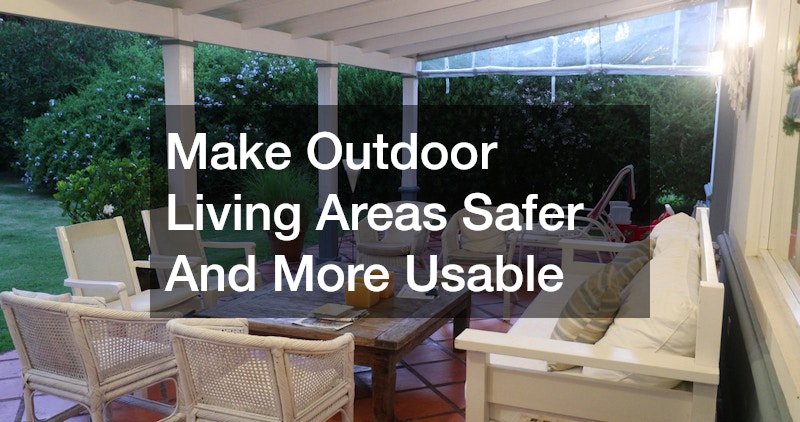
Outdoor living spaces can provide valuable room for relaxing, entertaining, and spending time with family. However, decks and elevated structures require regular inspection because their condition can affect occupant safety.
Look for soft or rotting boards, loose fasteners, deteriorated railings, unstable stairs, damaged support posts, and areas where water remains trapped against the structure. Pay particular attention to structural connections and elevated portions of the deck.
A decking service may be able to help with repairs, resurfacing, replacement, or the construction of a new outdoor living area. The appropriate solution depends on the condition of the existing structure and the homeowner’s goals.
Think beyond the deck surface when planning improvements. Practical additions can make the area more useful, including:
- Properly positioned exterior lighting.
- Comfortable and weather-resistant seating.
- Shade structures where appropriate.
- Clearly defined access paths.
- Safe and sturdy railings.
- Storage for outdoor equipment.
- Adequate space for tables, grills, or other intended uses.
Materials should be selected based on exposure, maintenance requirements, appearance, and expected lifespan. A deck that receives heavy sun and precipitation may have different material requirements than one located in a naturally sheltered area.
Improve Electrical Safety Around The Property
Outdoor electrical systems are exposed to moisture and changing weather conditions, making proper installation and maintenance particularly important. Homeowners should periodically inspect exterior outlets, light fixtures, wiring, and landscape lighting for visible damage.
Avoid using damaged cords or makeshift connections. Outdoor equipment should be appropriate for exterior use, and outlets should have the required protection for their location.
Electrical contractors should handle projects involving new circuits, significant wiring changes, electrical panels, or other work beyond basic maintenance. Attempting complex electrical work without the appropriate expertise can create serious safety risks.
Exterior lighting is also an opportunity to improve functionality. Instead of installing lights solely for decoration, consider areas where illumination could improve visibility and safety:
- Front and back entrances.
- Walkways and steps.
- Driveways.
- Decks and patios.
- Areas around garages and sheds.
- Frequently used paths through the yard.
A thoughtful lighting plan can make it easier to navigate the property after dark while improving the appearance of the home’s exterior.
Upgrade Cooling And Heating Performance
Indoor comfort depends on more than the thermostat setting. If certain rooms consistently feel too warm, too cold, humid, or stuffy, the underlying cause may involve equipment, ductwork, insulation, air leakage, or airflow.
AC contractors can evaluate cooling equipment, airflow, system performance, and potential repair or replacement needs. Homeowners should not wait for a complete system failure before scheduling maintenance, particularly when equipment is aging or performance has declined.
Basic maintenance can also make a difference. Replace filters according to the manufacturer’s recommendations and keep outdoor equipment clear of leaves, grass, dirt, and other obstructions. Restricted airflow can affect system performance and place additional strain on equipment.
Consider the building envelope as well. Poor insulation, air leaks around windows and doors, and inadequate attic insulation can make it harder to maintain comfortable indoor temperatures. Upgrading these areas may improve overall performance without relying solely on mechanical equipment.
Coordinate Major Mechanical Improvements
Major home system upgrades should be approached as part of a larger plan. Replacing one component without considering the rest of the home’s infrastructure can lead to compatibility problems or missed opportunities.
HVAC contractors can evaluate heating, cooling, ventilation, airflow, and equipment requirements when homeowners consider repairs or replacements. Factors such as the home’s size, insulation, ductwork, equipment age, and comfort concerns should all be considered.
Before selecting new equipment, ask:
- Is the current system appropriately sized for the home?
- Are certain rooms consistently uncomfortable?
- Does the equipment frequently require repairs?
- Are ductwork or airflow problems affecting performance?
- Has the home’s insulation or window efficiency changed?
- Will future renovations alter heating or cooling needs?
Proper sizing and installation are just as important as the equipment itself. A system that is too large or too small may not provide the expected comfort or efficiency.
Electrical capacity should also be considered when replacing major mechanical equipment. If a project requires new electrical infrastructure, coordinating the work in advance can reduce the chance of having to reopen finished areas later.
Build A Practical Maintenance Schedule
The best home improvement strategy includes ongoing maintenance. Even high-quality materials and professionally installed systems require regular attention to remain in good condition.
Create a schedule that divides responsibilities by frequency. Monthly tasks might include checking for visible leaks and inspecting exterior areas for obvious damage. Seasonal tasks can include cleaning gutters, checking drainage, inspecting outdoor living spaces, and preparing heating or cooling equipment for changing weather.
Annual tasks may include professional inspections of major systems, roof evaluations, and a comprehensive exterior walkaround.
Keep records of completed work, including:
- Dates of inspections and repairs.
- Equipment installation dates.
- Product and material information.
- Warranty details.
- Contractor information.
- Recurring maintenance requirements.
These records can make future maintenance easier and help homeowners understand when replacement or additional improvements may become necessary.
Finally, reassess the property after severe weather. Heavy rain, strong winds, snow, ice, and extreme temperatures can expose weaknesses that may not have been apparent previously. Addressing those problems promptly can help prevent a small repair from turning into a major project.
A stronger, more comfortable home comes from treating the property as an interconnected system rather than a collection of individual projects. Driveways, landscaping, drainage, roofing, outdoor living areas, electrical components, and mechanical systems can all influence one another.
Start by assessing the property’s condition, addressing urgent concerns, and creating a realistic improvement plan. From there, prioritize projects that protect the structure, improve safety, increase functionality, and support long-term performance. Regular maintenance and professional evaluations can further extend the life of major components while helping homeowners make informed decisions about future upgrades.
With thoughtful planning, homeowners can improve both the appearance and performance of their property without losing sight of the practical considerations that keep a home safe, comfortable, and durable.
