

Packing the car and mapping your route is the easy part of a long road trip. The bigger risk to your finances and peace of mind is what happens back at the house while you are gone for days or weeks at a time. A small leak, a weak roof section, or a stuck garage door can turn into a major repair bill before you even make it home. Running through a practical home checklist before you leave can save you from returning to a disaster.
Inspect Your Roof for Weak Spots
Your roof takes a beating year-round, and small issues like curling shingles or cracked flashing can turn into leaks the moment a storm rolls through while you are away. Before a long trip, walk the perimeter of your house and look up for missing shingles, sagging areas, or debris buildup near vents and chimneys. If anything looks questionable, it is worth having one of the local roofing companies come out for a quick inspection rather than gambling on a multi-week absence.
A pre-trip roof check is especially important if your area has had recent hail, high winds, or heavy rain. Roofers can often spot minor damage that is invisible from the ground, such as lifted seals or worn-out boots around pipes. Catching these problems early is far cheaper than dealing with water damage inside your attic or ceilings after you return.
- Look for shingles that are cracked, curling, or missing entirely
- Check gutters and downspouts for clogs that could cause overflow
- Examine the attic for any signs of past water stains
- Note any soft spots or sagging along the roofline
Test Your Plumbing System Before You Leave

Few things ruin a vacation faster than coming home to a flooded kitchen or a burst pipe that has been running for a week. Before you go, run every faucet briefly, flush each toilet, and check under sinks for slow drips that might worsen while no one is watching. If you notice unusual water pressure, gurgling sounds, or a slow-draining tub, it is worth calling a plumber to look things over before you hit the road.
It also helps to know where your main water shutoff valve is located, and to consider shutting it off entirely if you will be gone for more than a week. This simple step limits the damage potential if a hose or fitting fails while the house is empty. A licensed plumber can also install a leak detection sensor near washing machines and water heaters, giving you an extra layer of protection during long absences.
Clear Slow Drains Ahead of Your Departure
A drain that is draining slowly today can back up completely a week from now, especially if nobody is home to notice the warning signs. Kitchen sinks, shower drains, and washing machine lines are the most common culprits, often clogged with grease, hair, or soap buildup that worsens over time. Taking care of this before you leave prevents standing water, odors, and potential overflow while the house sits empty.
Professional drain cleaning is a smart investment before an extended trip, particularly if you have noticed recurring slow drains in the past. A thorough cleaning clears out buildup that home remedies like baking soda and vinegar often miss, reducing the odds of a backup while you are unreachable. This is a relatively small expense compared to the cost of repairing water damage from an overflowing sink or tub.
- Run hot water through drains to check for slow flow
- Use a drain strainer to catch hair and debris before you go
- Avoid pouring grease or food scraps down kitchen drains
- Consider a professional cleaning if drains have been sluggish for weeks
Check the Garage Door and Its Moving Parts
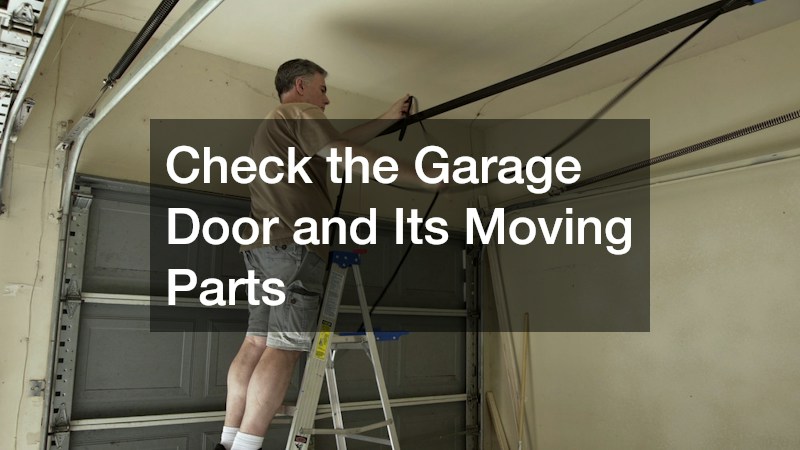
Your garage door is one of the largest moving objects in your home, and a failure while you are away can leave your house exposed or your car trapped inside on your return. Springs under tension are the most common failure point, especially on doors that open and close frequently. If you hear grinding, notice the door hanging unevenly, or see visible wear on the springs, schedule garage door spring repair before your trip rather than after.
A malfunctioning garage door is also a security concern, since a door that will not fully close can leave your home vulnerable for the entire duration of your travels. Test the auto-reverse safety feature and the remote batteries as part of your pre-trip routine. These few minutes of testing can prevent a much bigger headache than dealing with a stuck door in an empty driveway.
- Listen for grinding or popping noises during operation
- Check that the door opens and closes evenly on both sides
- Test the emergency release mechanism
- Replace remote batteries if they are more than a year old
Look at Your Exterior Siding for Damage
Siding acts as your home’s first line of defense against wind, rain, and temperature swings, and any gaps or cracks can let moisture creep in while you are gone for an extended stretch. Walk around your house and check for warped panels, loose sections, or discoloration that might indicate trapped moisture underneath. Hardie board siding is known for its durability, but even fiber cement can develop hairline cracks near corners or where panels meet trim.
If you spot damage, reaching out to siding contractors before your trip is far better than waiting until you return to a bigger repair. Many contractors can do a quick assessment and patch minor issues within a day or two, which is often all the lead time needed before a departure. Addressing small problems now also protects your home’s insulation and prevents pests from finding a way inside while nobody is around to notice.
- Check for cracked, warped, or loose panels
- Look for discoloration that may signal trapped moisture
- Inspect caulking around windows and doors
- Note any gaps where pests could enter
Review Your Basement for Moisture and Storage Risks
Basements are especially vulnerable during long absences because moisture problems tend to develop slowly and go unnoticed until they become serious. Before leaving, check for damp spots on walls or floors, musty odors, or any signs of standing water near the foundation. If you have been considering finishing or upgrading this space, meeting with a basement remodeling company beforehand can also be a good time to discuss waterproofing improvements that reduce risk while you travel.
A sump pump, if you have one, deserves special attention since it works hardest during storms when you are least likely to be home to check on it. Pour a bucket of water into the sump pit to confirm the pump activates and drains properly. This quick test can reveal a failing pump before it becomes a flooded basement problem discovered only after your return.
- Check for damp walls, musty smells, or visible mold
- Test your sump pump before departure
- Store important items off the floor in case of minor flooding
- Confirm your battery backup works if you have one
Secure Outdoor Structures and Storage Sheds
Detached structures like sheds are easy to forget about but can suffer real damage during long unattended periods, especially from wind, rain, or unwanted visitors. Check that doors latch securely, roofs are free of leaks, and nothing flammable or valuable is left in plain sight through windows. If your shed is aging or was built without much attention to durability, consulting a shed builder about reinforcing the structure can be worthwhile before storm season hits while you are away.
It also helps to trim back any overhanging branches near sheds, fences, or outdoor furniture that could fall during a storm. A little yard maintenance before departure reduces the odds of returning to storm debris damage that could have been prevented. Taking photos of your outdoor structures beforehand also gives you a reference point for insurance purposes if anything does go wrong.
- Confirm doors and windows latch securely
- Trim overhanging branches near structures
- Remove flammable items from view
- Photograph the exterior for insurance records
Plan for Furniture and Appliances You Are Waiting On
If you are mid-move, renovating, or furnishing a new space, a long trip can complicate deliveries or rental agreements that require someone to be home. Confirm delivery windows with any company you are working with, and reschedule anything that would arrive while your house sits empty. For those using rent to own furniture arrangements, it is worth calling ahead to pause or adjust delivery and pickup schedules so nothing is left sitting on your porch for days.
Unattended packages and deliveries are also a signal to potential burglars that nobody is home. Ask a neighbor to collect any parcels, or use delivery instructions that require a signature so items are not left exposed. Coordinating this in advance takes only a few minutes but prevents both weather damage and theft risk.
- Reschedule deliveries that would arrive during your absence
- Notify rental or furniture companies of your travel dates
- Arrange for a neighbor to collect packages
- Use signature-required delivery when possible
Handle Small Repairs That Could Turn Into Emergencies
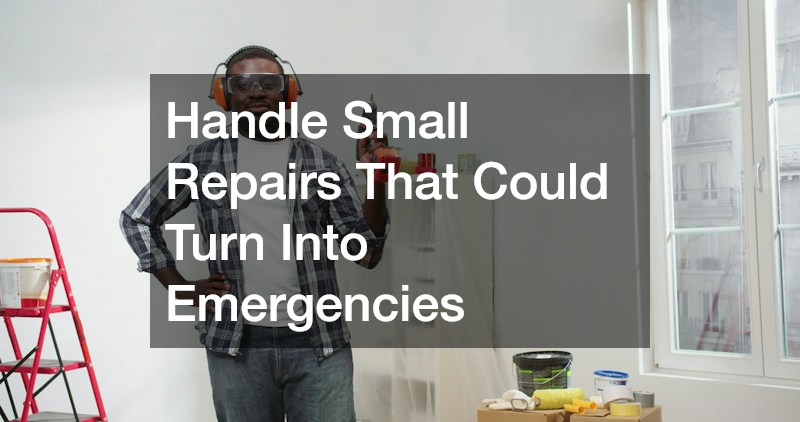
Minor issues you have been putting off, like a squeaky door hinge or a loose deck board, are usually harmless when you are home to notice them getting worse. Left unattended for a week or two, though, small problems can escalate into bigger ones, particularly anything related to water intrusion or structural wear. Walk through your home with a critical eye and make a list of anything that has been nagging at you for months.
Pay special attention to the usual suspects: a slow drip under the kitchen sink, a toilet that runs longer than it should, caulking that has cracked around windows or tubs, and gutters that are sagging or clogged with debris. A pinhole leak that seems trivial today can soak through drywall and warp flooring after several days of steady dripping while no one is around to catch it. Similarly, a small roof shingle that has lifted in the wind can let water seep into the attic during a single hard rain.
Check your water heater for rust stains or moisture pooling at its base, and test your sump pump if you have one, since a summer thunderstorm hitting an empty house is a worst-case scenario. Look over exterior features too, like fence posts, railings, or steps that feel a little wobbly; a week of freeze-thaw cycles or heavy foot traffic from house sitters can turn a minor wiggle into a safety hazard.
Prioritize anything involving water, electrical wiring, or weight-bearing structures first, since those are the categories most likely to cause serious damage or injury if they fail while you are gone. Cosmetic fixes, like a sticky drawer or scuffed paint, can wait until you’re back.
This is also a good time to schedule any repairs that require a specialist but have been low priority until now. A dripping faucet left unattended for a week can waste dozens of gallons and stain a sink basin, while a section of trim pulling away from the house invites moisture, pests, and rot if a storm rolls through while you’re gone. A door that no longer closes flush is more than an annoyance; it’s a security gap and a sign the frame may be shifting.
Walk through the house with a simple checklist and jot down anything that looks “almost fine.” Loose gutter brackets, a wobbly deck railing, a window that sticks halfway, or a slow leak under the kitchen sink all qualify. None of these will stop you from leaving, but any one of them could escalate into water damage, a break-in risk, or a costly repair while you’re unreachable.
If a fix requires a plumber, electrician, or handyman, call now rather than the week before departure — good contractors often book out ten days to two weeks, especially heading into peak travel seasons. Getting these items handled before you leave means one less thing to worry about on the road. A short pre-trip punch list, tackled a few days in advance, is far easier to manage than an emergency call from a neighbor while you are hours away with limited options for a quick fix.
- Fix squeaky hinges or loose door handles — a few drops of oil and a tightened screw now beats a jammed door when you’re rushing to leave
- Tighten loose deck boards, railings, or steps to prevent injuries while you’re away or trip hazards for the house sitter
- Address small leaks under sinks or around toilets; even a slow drip can waste gallons and warp cabinetry over a week or two
- Repair minor cracks in walls or ceilings before they widen, especially near windows or foundations where shifting can worsen fast
- Check caulking around tubs, showers, and windows to stop moisture from seeping into walls while no one’s home to notice
- Test smoke and carbon monoxide detectors, replacing batteries so a small warning doesn’t become a bigger problem unnoticed
A little preparation before you leave town can be the difference between a relaxing trip and a stressful homecoming. Walking through your roof, plumbing, siding, garage door, and other key systems takes an afternoon but can prevent thousands of dollars in damage. Start your checklist a few days before departure so you have time to schedule any professional help you need, and enjoy your trip knowing your home is ready to handle your absence.
