

Your vehicle is likely one of the biggest investments you own outside of your home, yet many drivers only think about maintenance when something breaks. Waiting for a warning light or a strange noise often means paying more later for problems that could have been caught early. Understanding what goes into comprehensive vehicle care helps you make smarter decisions, avoid surprise breakdowns, and keep your car’s resale value intact. This guide walks through the less obvious maintenance areas that protect your investment far beyond oil changes and tire rotations.
Keeping Cabin Comfort Running Smoothly
A comfortable ride depends on more than seats and sound systems; climate control plays a bigger role in daily driving satisfaction than most people realize. When your air conditioning starts blowing warm air or making odd noises, it usually signals a refrigerant leak, a failing compressor, or a clogged condenser rather than something that will resolve on its own.
Other warning signs are easy to overlook, including a musty smell from the vents, weak airflow even at the highest fan setting, or a compressor clutch that cycles on and off rapidly. Each of these points to a specific component under strain, and ignoring them typically means the problem worsens with every hot afternoon commute.
Scheduling auto ac repair at the first sign of trouble prevents small issues from turning into a full system replacement, which can cost several times more than an early fix. A simple recharge or seal replacement caught early is far cheaper than a new compressor, and it keeps cabin air quality and defrosting performance reliable when you need them most.
Your vehicle’s climate control system works harder than most owners realize, cycling refrigerant through a network of hoses, seals, and connections that gradually wear down with age and mileage. A qualified technician can catch early warning signs—like a refrigerant level that’s dropped by even 10-15%, a slow leak at a hose fitting, or a compressor seal starting to weep—before they become major failures. Regular inspection of these components, ideally during routine service visits, can extend the life of your system significantly and often costs far less than emergency repairs.
Ignoring a weak air conditioner during mild spring weather often means discovering the full extent of the problem during the first 90-degree day of summer, when repair shops are busiest and parts may be backordered for weeks. A system that’s merely blowing cool instead of cold in April can fail completely by July, especially if a small leak has had months to worsen. Addressing sluggish performance early, rather than waiting for total failure, typically means the difference between a simple recharge and a costly compressor replacement.
Choosing the Right Tires for Safety and Performance

Tires are the only part of your car that actually touches the road, making their condition directly tied to your safety. Beyond simply checking tread depth, proper tire services include rotation, balancing, and alignment checks that prevent uneven wear and extend tire lifespan. Many drivers replace tires reactively instead of proactively, which can mean driving on compromised rubber longer than is safe.
- Rotate tires every 5,000 to 7,000 miles to promote even wear
- Check tire pressure monthly, including the spare
- Replace tires when tread depth reaches 2/32 of an inch
- Have alignment checked after hitting a significant pothole or curb
- Balance tires whenever you notice vibration at highway speeds
Knowing When a Small Issue Needs a Professional Eye
It can be tempting to dismiss minor rattles, slow leaks, or dashboard lights as things that will sort themselves out. In reality, many small symptoms are early indicators of bigger mechanical problems that are far cheaper to fix when caught early. A soft brake pedal, for instance, can signal air in the lines or a failing master cylinder, while a faint burning smell might point to worn clutch components or an electrical short.
Dashboard warning lights deserve particular attention, since they’re designed to flag issues before they become visible or audible. A check engine light could mean anything from a loose gas cap to a failing catalytic converter, and only proper diagnostic equipment can tell the difference. Ignoring it for weeks or months often turns a $150 sensor replacement into a $1,500 repair bill.
Fluid leaks are another area where guessing is risky. A few drops of clear water under the car is likely just air conditioner condensation, but a reddish puddle suggests a transmission leak, and a dark, oily spot could mean an engine oil or gasket problem. A qualified auto repair service can diagnose issues using proper equipment rather than guesswork, saving you money and stress down the road.
Even something as small as a rattle when driving over bumps shouldn’t be brushed aside. It might be a loose heat shield costing under $50 to fix, or it could indicate worn suspension components that affect handling and safety. When in doubt, a quick professional inspection costs far less than the damage that comes from waiting too long.
Building a relationship with a trusted shop also means you get consistent records of your vehicle’s history, which helps mechanics spot patterns over time. A shop that has serviced your car for years will notice, for example, if you’ve replaced the same battery twice in eighteen months or if a particular sensor keeps triggering warning lights after every oil change. Those patterns often point to an underlying issue that a one-time visit to a different garage would miss entirely.
This kind of continuity is especially valuable when trying to decide whether a repair is worth the cost or if it’s time to consider a replacement vehicle. A mechanic who knows your car’s maintenance history can tell you honestly whether a $1,200 transmission repair makes sense on a vehicle worth $4,000, or whether that same repair is a smart investment on a car that’s otherwise in excellent shape.
Detailed service records also come in handy for practical, everyday decisions beyond big repair-or-replace calls. They can support insurance claims, boost resale value by proving diligent upkeep, and help a new mechanic get up to speed quickly if you ever move or switch shops.
Seeing Clearly and Staying Comfortable Behind the Wheel

Visibility issues are often overlooked until they become dangerous, yet damaged or malfunctioning windows affect both safety and daily comfort. Chips, cracks, or windows that won’t roll up properly should be addressed quickly, and professional car window services can repair or replace glass without compromising the vehicle’s structural integrity. Delaying these repairs can lead to worsening cracks or water intrusion that damages interior electronics.
Beyond repair, many owners choose window tint for reasons that go beyond aesthetics. Quality tinting reduces glare, blocks harmful UV rays that fade upholstery, and can even help regulate cabin temperature, reducing strain on your air conditioning system during hot months.
- Address chips before they spread across the windshield
- Choose tint levels that comply with your local window tint laws
- Consider UV-blocking film even on clear glass for interior protection
- Inspect window seals for leaks during routine service visits
Understanding Your Car’s Ride and Handling System
A smooth, controlled ride depends heavily on components most drivers never think about until something feels off. Struts, shocks, and control arms all work together to absorb road impact and keep your tires in contact with the pavement. When you notice excessive bouncing, pulling to one side, or unusual noises over bumps, it’s worth having a technician evaluate whether suspension repair is needed before the problem affects handling and tire wear.
Ignoring suspension issues doesn’t just make for an uncomfortable ride; it can accelerate wear on tires, brakes, and steering components. Addressing these problems early keeps your vehicle safer and helps avoid a cascade of related repairs.
Handling the Aftermath of an Accident

Even a minor fender bender can leave hidden damage that isn’t visible from the outside. Frame misalignment, sensor malfunctions, and compromised safety systems are common after collisions, which is why professional auto collision repair matters even when damage looks cosmetic. What appears to be a simple scuffed bumper can mask bent brackets, cracked radiator supports, or misaligned mounting points that affect how your vehicle handles in an emergency.
Modern vehicles rely on a network of sensors and cameras to power features like lane departure warnings, automatic braking, and adaptive cruise control. A collision, even at low speed, can knock these components out of calibration without triggering an obvious warning light. Skilled technicians use specialized diagnostic tools to recalibrate these systems, ensuring your car “sees” the road correctly again.
A thorough inspection ensures your car’s safety features, like airbags and cameras, are functioning correctly after impact. This process typically includes checking airbag control modules for stored fault codes, inspecting seatbelt pretensioners, and confirming that crumple zones haven’t been weakened in ways that would reduce protection in a future crash.
It’s also worth asking your repair shop whether they follow manufacturer-specific repair procedures rather than generic guidelines. Using original equipment parts and factory-recommended techniques helps preserve your vehicle’s structural integrity and can protect your warranty coverage down the road.
Not every mark on your car requires a full collision claim. Minor dings from shopping carts, hail, or a careless door in a parking lot can often be fixed through car dent repairs using techniques like paintless dent removal, which preserves the factory finish without extensive bodywork. This method works best on dents smaller than a few inches, without paint cracking or sharp creases, and typically costs a fraction of traditional bodywork—often $75 to $150 per panel compared to several hundred dollars for repainting.
Knowing the difference between a cosmetic fix and a structural repair helps you make informed decisions about cost and safety. A good rule of thumb: if the metal is stretched, the paint is chipped down to bare metal, or the damage sits near a wheel well, headlight, or door seam, it likely needs a body shop’s attention rather than a quick pop-out fix.
Before deciding, check whether the affected panel is aluminum or high-strength steel, since some newer vehicles require specialized tools and training to avoid weakening the panel’s structural integrity. It’s also worth asking a technician to inspect for hidden damage, like misaligned panels or disrupted sensors near cameras and parking assist systems, before assuming a small dent is purely cosmetic.
Diagnosing Issues Beneath the Dashboard
Modern vehicles rely on complex electrical systems to control everything from headlights to engine timing, and problems in this area can be tricky to diagnose without specialized tools. Flickering lights, a battery that won’t hold a charge, or malfunctioning power windows are often signs of deeper wiring or component issues. Seeking auto electrical repair sooner rather than later prevents small glitches from cascading into larger system failures.
Because electrical problems can affect safety features like anti-lock brakes and airbag sensors, they should never be ignored or treated as a minor inconvenience. A professional diagnostic scan can often pinpoint the exact source of an issue much faster than trial-and-error troubleshooting at home.
Protecting the Finish That Preserves Value
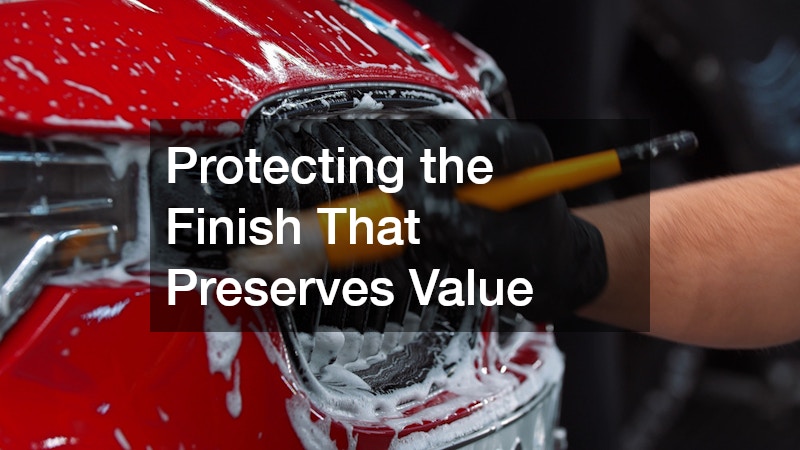
The exterior and interior condition of your vehicle plays a major role in its resale value and everyday enjoyment. Regular washing helps, but a professional car detailing service goes further by removing embedded contaminants, restoring paint clarity, and protecting surfaces from environmental damage. Detailing also addresses interior wear, from stained upholstery to sun-damaged dashboards, that standard cleaning often misses.
Investing in periodic detailing isn’t purely cosmetic; it can actually protect your paint from oxidation and prevent small scratches from deepening into rust-prone areas. For anyone planning to sell or trade in their vehicle, a well-maintained appearance often translates directly into a stronger resale offer.
Creating a Long-Term Maintenance Routine
The best way to protect your investment is to stop thinking of maintenance as a reaction to problems and start treating it as an ongoing routine. Keeping a written or digital log of services, mileage, and recommendations from your mechanic helps you stay ahead of recurring issues. Setting reminders for seasonal checks, like before winter or summer, ensures nothing slips through the cracks.
- Schedule a full inspection at least twice a year
- Track fluid changes, filter replacements, and battery age
- Address small issues immediately rather than waiting for bigger failures
- Keep records organized for warranty claims or resale documentation
Protecting your vehicle investment means looking beyond the basics of oil changes and tire pressure checks to consider the full picture of how your car functions. From comfort systems to safety-critical components, every part of your vehicle benefits from timely attention and professional expertise. Taking a proactive approach not only keeps you safer on the road but also preserves the long-term value of your vehicle. Start by scheduling an inspection for any lingering issue you’ve been putting off, and build a maintenance habit that keeps small problems from becoming expensive ones.
