
Your home faces threats from two directions at once: severe weather rolling in overhead and slow-moving problems building underground or out of sight. Roof leaks, failing septic systems, and outdated windows rarely announce themselves until repair costs have already climbed. The good news is that most of these risks can be spotted early and addressed before they turn into emergencies. This guide walks through the key systems worth checking now, so you can protect your home and your budget before the next storm season arrives.
Assess Your Roof Condition Before Storm Season
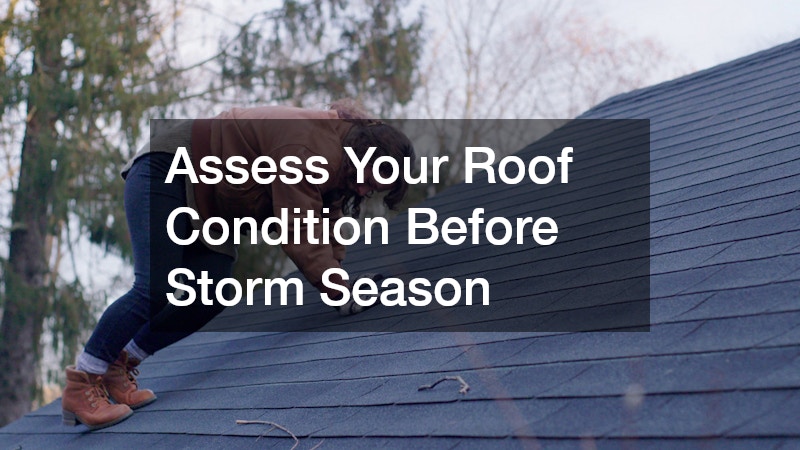
Your roof is your home’s first line of defense against wind, hail, and heavy rain, yet many homeowners only think about it after a leak appears on the ceiling. By then, the damage has often been building quietly for months or even years, hidden above the ceiling line where it’s easy to overlook. Before storm season arrives, walk the perimeter of your home and look up for curling or cupped shingles, bald spots where granules have worn away, and any areas where the roofline sags or dips. From the attic, check for daylight coming through the decking, damp insulation, or dark staining on the rafters, all of which point to moisture intrusion that isn’t yet visible from the outside.
A roof older than 15-20 years showing several of these signs is usually a stronger candidate for full roof replacement than another round of patchwork. It’s also worth inspecting flashing around chimneys, vents, and skylights, since these transition points are common sources of leaks even on otherwise sound roofs. Gutters packed with excessive granules are another red flag, signaling that shingles are wearing out faster than expected. Waiting too long often means dealing with water damage to insulation, drywall, and framing, which turns a roofing project into a much larger renovation. What might have cost a few thousand dollars in repairs or a straightforward roof replacement can quickly escalate into mold remediation, structural repairs, and interior rebuilding once water finds its way inside.
A yearly inspection, ideally done in spring and fall, can catch problems while they are still manageable. Spring checks reveal winter damage like cracked or missing shingles, while fall inspections ensure your roof is ready to handle snow, ice, and heavy wind before the cold season arrives. Pay close attention to areas around chimneys, vents, and skylights, since these are common leak points. Look for cracked or deteriorated flashing, gaps in caulking, and shingles that appear curled, buckled, or lifted at the edges, as these are early warning signs of water intrusion.
While you’re up there, or scanning with binoculars from the ground, check gutters and downspouts for granule buildup, which can indicate shingle wear, and make sure they’re free of debris that could cause water to back up under the roofline. If your roof is more than 15 years old, or if you notice sagging areas, daylight through the attic boards, or water stains on ceilings, it’s worth having a professional roofer conduct a thorough evaluation before storm season puts additional strain on vulnerable spots.
- Look for missing, cracked, or curling shingles after major storms, especially near roof edges and valleys where wind uplift is strongest
- Check attic spaces for daylight, moisture stains, or musty odors that signal leaks starting above
- Note sagging areas along the roofline or dips in the decking, which often point to weakened supports or trapped water
- Examine flashing around chimneys, vents, and skylights, since gaps here are common entry points for water
- Clear gutters and downspouts of debris so rainwater can drain freely instead of pooling under shingles
- Ask for a professional inspection if your roof is over 15 years old, or sooner if you’ve had recent hail or high-wind events
Keep Water Moving Away From Your Foundation
Water pooling near your home’s foundation is one of the most preventable causes of basement flooding and structural cracking. Clogged or damaged gutters send rainwater straight down the side of your house instead of channeling it away, which over time softens soil and undermines footings. If you have noticed sagging sections, rust spots, or water spilling over the sides during heavy rain, gutter replacement is often a smarter long-term investment than continually patching old aluminum runs.
Beyond the gutters themselves, proper grading and downspout extensions play a big role in keeping water where it belongs. A downspout that dumps water two feet from your foundation is barely more helpful than no gutter at all.
- Extend downspouts at least four to six feet from the foundation
- Clean gutters at least twice a year, more often near trees
- Check for standing water in the yard 24 hours after rain
- Watch for gaps between siding and the foundation wall
Know What’s Happening With Your Septic System
If your home relies on a septic system rather than city sewer, underground problems can be some of the most expensive to ignore. Slow drains, gurgling pipes, or a persistent sour smell near the drain field are all signs that waste is not being processed properly. Scheduling routine septic tank service every three to five years helps prevent backups that can contaminate your yard and, in serious cases, force costly excavation.
Heavy storms can also affect septic performance, since saturated ground reduces the drain field’s ability to absorb effluent. Homeowners in flood-prone areas should be especially mindful of tank inspections after major weather events, as excess groundwater can cause tanks to shift or flood entirely.
- Avoid parking or building over the drain field
- Space out heavy water use, like laundry, to prevent overloading the system
- Never flush wipes, grease, or chemicals down the drain
- Watch for unusually green, spongy patches of grass above the tank

Upgrade Aging Windows for Energy and Storm Protection
Old, single-pane windows do more than drive up energy bills; they are also a weak point during high winds and hail. Rattling frames, visible condensation between panes, or drafts you can feel with your hand are all signals that replacement windows would pay for themselves through both comfort and protection. Modern impact-resistant options are built to withstand debris strikes, which matters significantly in regions prone to severe thunderstorms or hurricanes.
Beyond storm resistance, updated windows improve insulation, reduce outside noise, and can noticeably lower heating and cooling costs. Many homeowners are surprised at how much a full window upgrade changes the feel of a room, since better seals stop the cold drafts that make certain spots in the house uncomfortable year-round.
- Check for fogging or moisture between glass panes
- Test for drafts along frames and sills during windy weather
- Consider impact-rated glass if you live in a storm-prone region
- Compare energy ratings before choosing new units
Designate a Safe Room for Severe Weather Protection
In regions that see tornadoes, hurricanes, or severe straight-line winds, having a dedicated storm shelter can make a life-saving difference. These structures range from reinforced closets and basements to fully engineered underground or in-garage units rated to withstand extreme wind speeds and flying debris. Families in tornado alley states, in particular, benefit from having a plan and a physical space ready well before severe weather season begins.
When choosing a shelter option, location and accessibility matter as much as construction quality. A shelter that takes ten minutes to reach during a tornado warning does little good, so proximity to bedrooms or main living areas should be a top consideration.
- Choose a location accessible within 60 seconds from main living areas
- Verify the shelter meets FEMA or ICC 500 wind resistance standards
- Stock basic supplies like water, flashlights, and a first aid kit
- Schedule annual checks to ensure doors and seals still function properly

Protect Exterior Walls With Durable Siding Materials
Siding takes a beating from sun, rain, wind, and temperature swings year after year, and once it starts failing, moisture can seep behind it and damage the sheathing underneath. Warping, cracking, or fading that will not respond to a fresh coat of paint usually signals it is time to bring in siding contractors for a proper assessment. Materials like fiber cement and engineered wood have become popular because they resist moisture and impact damage far better than older vinyl products.
Replacing siding is also a good opportunity to add a layer of house wrap or insulation, improving your home’s overall energy efficiency in the process. This kind of exterior upgrade tends to have a strong return on investment, both in curb appeal and in protecting the structure underneath.
- Look for cracking, warping, or bubbling on exterior panels
- Check for soft spots that indicate moisture trapped behind siding
- Ask about impact-resistant materials for hail-prone regions
- Consider color and material changes that boost resale value
Refresh Window Treatments for Light Control and Protection
Window treatments are often overlooked in storm and weather preparation, but the right blinds do more than control light and privacy. Certain styles, particularly those made from sturdier materials, can offer an added layer of protection against shattered glass in severe weather by helping contain debris. Beyond storm considerations, well-chosen blinds also help regulate indoor temperature, reducing strain on your HVAC system during extreme heat or cold.
Older, worn treatments with broken slats or frayed cords are not just a cosmetic issue; they can also be a safety hazard, especially in homes with kids or pets. Replacing them alongside a window upgrade project is an efficient way to refresh a room’s look while addressing function at the same time.
- Choose cordless designs for improved child and pet safety
- Consider blackout or insulated options for extreme climates
- Replace warped or broken slats promptly to maintain function
- Coordinate treatments with new window installations for a cohesive look
Clear Out Storm Debris and Renovation Waste Promptly
After a major storm, yards and rooflines are often littered with broken branches, damaged shingles, and displaced siding panels that need to be cleared quickly to prevent further damage or safety hazards. Standing debris can trap moisture against your home’s exterior, inviting pests and mold growth if it sits too long. For larger cleanup jobs, especially after significant storm damage, hiring a junk removal service saves time and ensures materials are disposed of properly rather than piling up in the yard.
This same need comes up during renovation projects, when old roofing, cabinetry, or flooring materials need to be hauled away before new installations can begin. Keeping a job site clear also reduces the risk of tripping hazards and helps contractors work more efficiently.
- Schedule debris pickup soon after major storms to avoid pest issues
- Separate recyclable materials like metal and wood when possible
- Clear pathways and driveways before contractors arrive for repairs
- Avoid letting yard waste pile against siding or foundation walls
Coordinate Larger Renovation Projects for Long-Term Resilience
When multiple systems in your home need attention at once, it often makes sense to think bigger rather than tackling each fix in isolation. A broader home remodeling plan lets you address structural weaknesses, update insulation, and modernize plumbing or electrical systems in a way that improves your home’s overall resilience against future weather events. This approach can also be more cost-effective than spreading repairs out over several years, since contractors are already on-site and materials can be ordered together.
Planning ahead also gives you the chance to prioritize resilience features, like storm-rated garage doors, elevated utility placements in flood-prone areas, or reinforced entry points. Working with a contractor who understands your region’s specific weather risks ensures these upgrades are built to actually perform when it matters.
- Bundle roofing, siding, and window projects when possible to save costs
- Ask contractors about regional building codes for wind and flood zones
- Prioritize upgrades that protect both structure and utilities
- Set a realistic timeline that accounts for permitting and inspections
Protecting your home from weather and underground threats is not about tackling everything at once; it is about staying ahead of small warning signs before they become expensive emergencies. Start with an honest walkthrough of your roof, foundation drainage, windows, and siding, then work your way toward less visible systems like your septic tank and storm preparedness plan. Even modest, consistent maintenance can add years to your home’s lifespan and real peace of mind during severe weather. When you are ready to make a change, reach out to qualified local professionals who can help you prioritize the upgrades that matter most for your specific home and region.
