

When severe weather warnings start rolling in, the difference between a stressful scramble and a calm, confident response often comes down to preparation done weeks or months in advance. High winds, heavy rain, and hail can expose weak points in your home that you never knew existed, from a loose shingle to a cracked foundation slab. The good news is that most of these vulnerabilities can be identified and addressed before a storm ever forms. This guide walks through the key exterior areas of your home that deserve attention, along with practical steps you can take to protect your property and your family.
Start With a Thorough Roof Assessment
Your roof is your home’s first line of defense against wind, rain, and hail, so it deserves a careful once-over before storm season arrives. Small issues like curling shingles, exposed nail heads, or worn flashing around vents and chimneys can quickly turn into major leaks once heavy rain and wind get involved. Many homeowners are surprised to learn that a roof can look fine from the ground while hiding significant damage that only becomes obvious after a storm has already caused water intrusion.
Bringing in experienced roofers for a pre-season inspection is one of the smartest investments you can make in your home’s resilience. They can spot granule loss, soft spots in the decking, and areas where seals have degraded over time, then recommend targeted repairs rather than a full replacement when possible.
- Check for missing, cracked, or curling shingles after high winds
- Inspect flashing around chimneys, skylights, and vent pipes
- Clear debris from gutters so water can drain properly during heavy rain
- Look for daylight through the attic, which signals gaps in the roof deck
- Schedule a professional inspection annually, ideally before storm season
Reinforce Entry Points Against Wind and Debris
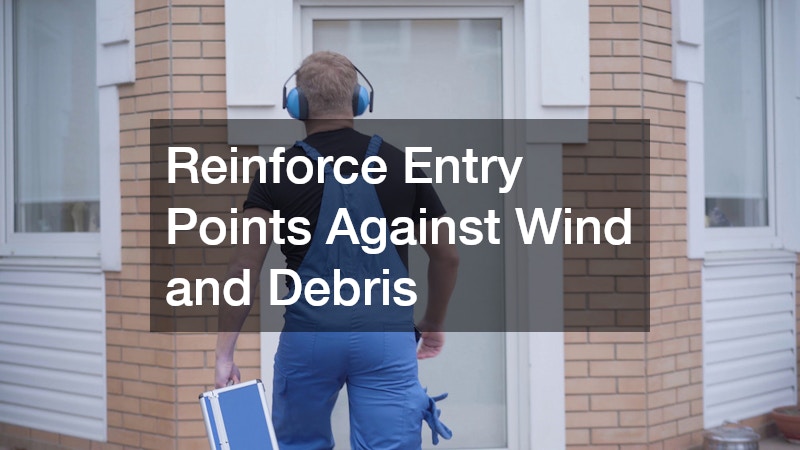
Doors and windows are often the weakest structural points during a severe windstorm, since a breach in either can allow pressure to build inside the home and cause catastrophic damage. Impact-rated hurricane doors are specifically engineered to withstand flying debris and extreme wind pressure, offering a level of protection that standard doors simply cannot match. Homes in coastal or wind-prone regions benefit enormously from this upgrade, particularly on exterior-facing entry points like front doors, side doors, and sliding patio access.
Beyond doors, reinforcing windows with impact-resistant glass or removable storm shutters adds another layer of protection. It is also worth checking that door frames are properly anchored and that weatherstripping is intact, since even small gaps can let water seep in during driving rain.
- Install impact-rated doors on all major exterior entry points
- Add storm shutters or impact glass to vulnerable windows
- Inspect weatherstripping and door seals for wear
- Reinforce garage doors, which are often overlooked but highly vulnerable
Evaluate Your Siding for Hidden Weak Spots
Siding takes a beating during severe weather, absorbing wind pressure, hail impacts, and constant moisture exposure. Cracked, warped, or loose panels not only look bad but can allow water to seep behind the exterior wall system, leading to rot, mold, and insulation damage that is expensive to fix. A quick walk around your home’s perimeter can reveal early warning signs like buckling panels, faded color patches, or soft spots you can press with your hand.
If you notice multiple areas of concern, it may be time to consult a professional siding company rather than patching problems piecemeal. They can assess whether your current material is still rated for high winds in your region and recommend upgrades, such as reinforced vinyl or fiber cement, that hold up better against repeated storm exposure.
- Look for warped, cracked, or loose siding panels
- Check corners and seams where wind can catch and peel material
- Watch for soft or spongy spots that indicate moisture damage underneath
- Consider wind-rated siding materials if you live in a high-risk area
Do Not Overlook the Chimney and Roof Penetrations

Chimneys are structural features that take direct hits from wind and rain, and any cracks in the mortar or damaged caps can let water pour straight into your home. A neglected chimney can also become a fire hazard if creosote buildup combines with structural damage, which is why routine maintenance matters even outside of storm concerns. Scheduling a chimney sweep before severe weather season not only reduces fire risk but gives a trained eye the chance to catch cracks, loose bricks, or a deteriorating cap before they become bigger problems.
While they are up there, ask about the condition of the flashing where the chimney meets the roofline, since this is one of the most common places for leaks to start. A small mortar repair now is far cheaper than dealing with water damage to your ceiling and walls later.
- Inspect chimney caps and crowns for cracks or gaps
- Check mortar joints for signs of deterioration
- Confirm flashing is properly sealed where the chimney meets the roof
- Schedule cleaning and inspection annually, ideally before peak storm months
Improve Drainage and Outdoor Water Management
Heavy rain during severe storms can overwhelm a yard that was not designed to move water away from the foundation. Poor grading, clogged drains, and undersized gutters are common culprits behind flooded basements and eroded landscaping. Thoughtful landscape installation can redirect water flow using swales, French drains, and strategically placed plantings that slow runoff before it pools near your home.
It is also worth having plumbers evaluate your exterior drainage lines and sump pump system, since a backed-up line or a failing pump can turn a heavy rainstorm into an indoor flooding emergency. Combining smart grading with a reliable pumping system gives your property two layers of defense against rising water.
- Grade soil so it slopes away from the foundation
- Install French drains or dry wells in low-lying areas
- Clean gutters and downspouts regularly, especially before storm season
- Test sump pumps and backup power sources ahead of heavy rain events
- Consult a professional if standing water appears after every storm
Protect Your Home’s Electrical Systems

Severe weather often brings power surges, downed lines, and flickering outages that can damage sensitive electronics and appliances. Exterior electrical components like meter boxes, outdoor outlets, and service panels are especially exposed to wind and rain, so they need to be weatherproofed and checked for wear. Calling an electric repairman before storm season lets you catch loose connections, corroded panels, or outdated wiring that could become a fire hazard once water gets involved.
Installing a whole-home surge protector and considering a backup generator are two practical steps that reduce the risk of damage from power fluctuations during and after a storm. Keeping outdoor outlets covered with weatherproof housings is a simple, inexpensive way to add another layer of protection.
- Inspect exterior meter boxes and panels for corrosion or damage
- Install weatherproof covers on all outdoor outlets
- Add whole-home surge protection to guard against power spikes
- Consider a backup generator for extended outages
Keep Your HVAC System Storm Ready
Outdoor HVAC units are directly exposed to wind, hail, and flying debris, making them one of the more vulnerable mechanical systems on your property. A unit that gets knocked off its pad or clogged with storm debris can leave your home without heating or cooling exactly when you need it most. Scheduling routine hvac service before severe weather season ensures the unit is securely anchored, properly draining, and free of debris that could restrict airflow during a storm.
After a major weather event, it is smart to have the system checked again before turning it back on, since even a well-anchored unit can suffer hidden damage from wind-driven debris. A quick professional check can prevent a small issue from turning into a costly compressor replacement.
- Confirm the outdoor unit is properly anchored to its pad
- Clear leaves, branches, and debris from around the unit regularly
- Schedule seasonal maintenance to catch small issues early
- Have the system re-checked after any major storm before restarting it
Strengthen Outdoor Surfaces and Structures

Driveways, walkways, and patios take a beating from heavy rain, freeze-thaw cycles, and shifting soil during severe weather, and cracked or uneven surfaces can quickly become safety hazards. Decorative concrete surfaces, when properly sealed and reinforced, tend to hold up better against water infiltration than untreated options, since sealants help prevent cracking and staining over time. Regularly checking these surfaces for hairline cracks lets you address small problems with sealant before they widen into structural issues.
Outdoor structures like fences, pergolas, and sheds also deserve a walkthrough before storm season, since loose posts or weak connections can turn into projectiles during high winds. Tightening hardware and replacing rotted wood now is far easier than rebuilding after a storm.
- Seal decorative concrete surfaces to prevent water infiltration and cracking
- Check fences and outdoor structures for loose or rotted components
- Secure or store outdoor furniture and decor before major storms
- Repair hairline cracks in walkways and patios before they expand
Prepare the Inside of Your Home for Exterior Failures
Even with the best exterior preparation, it helps to think through what happens if water does find its way inside, particularly in spaces like the kitchen where plumbing, electrical, and cabinetry all come together. A single inch of standing water can cause thousands of dollars in damage to lower cabinets, subflooring, and built-in appliances, so it’s worth planning for that possibility before storm season arrives. Homeowners planning renovations should keep storm resilience in mind from the start rather than treating it as an afterthought.
Working with kitchen contractors who understand water-resistant materials and proper sealing around sinks, dishwashers, and refrigerator lines can reduce damage if a leak occurs. Look for contractors who install marine-grade plywood or moisture-rated substrate under countertops, use silicone-based sealants at all appliance connections, and can recommend flood vents or elevated electrical outlets for ground-level kitchens in flood-prone areas.
Choosing moisture-resistant flooring and cabinetry is another practical way to limit repair costs after a severe weather event. Materials like porcelain tile, sealed concrete, or luxury vinyl plank hold up far better than hardwood or particleboard when exposed to moisture, while cabinets built with marine-grade plywood or PVC frames resist swelling and mold growth. Even small details, like raising cabinet toe kicks slightly or using stainless steel rather than particleboard shelving, can make cleanup after a flood or storm significantly easier.
It is also worth keeping a simple emergency kit near your kitchen or utility area with towels, a wet vacuum, and contact information for trusted repair professionals. Include a few 5-gallon buckets, heavy-duty trash bags, and a roll of plastic sheeting or tarps to redirect water away from furniture and electronics until help arrives. A flashlight and battery-powered lantern are also worth storing in the kit, since storms often knock out power right when you need to see a leak clearly.
Save the numbers for a roofer, plumber, and general contractor directly in your phone rather than relying on an internet search during a storm, when service may be spotty. It also helps to snap a few photos of your roof, gutters, and foundation now, before any damage occurs, so you have a clear “before” reference for insurance claims later. Being able to respond quickly to a leak in the first hour can make the difference between a minor cleanup and a major renovation, since water that sits for just a few hours can warp flooring, stain drywall, and encourage mold growth within 24 to 48 hours.
- Choose moisture-resistant materials for ground-level kitchen renovations, such as porcelain tile, waterproof vinyl plank flooring, or marine-grade plywood cabinetry
- Keep towels, a wet vacuum, and shutoff valve locations easily accessible—ideally stored in a labeled bin near the most flood-prone area of your home
- Know where your main water shutoff is in case of a burst pipe, and make sure every adult in the household knows how to turn it off
- Test your sump pump and check that your backup battery is charged before storm season begins
- Have a list of trusted repair contacts ready before severe weather hits, including a plumber, electrician, roofer, and restoration specialist
- Store this contact list both digitally and on paper, since power or signal outages can limit phone access
Preparing your home’s exterior against severe weather is not a single task but an ongoing habit of inspection, maintenance, and timely repair. Working through your roof, doors, siding, chimney, drainage, electrical, HVAC, and outdoor surfaces one section at a time makes the process manageable rather than overwhelming. Start with the areas most likely to fail in your specific climate, then build out a seasonal checklist you can repeat every year. Taking these steps now gives you far greater peace of mind the next time a severe weather warning appears on the forecast.
