
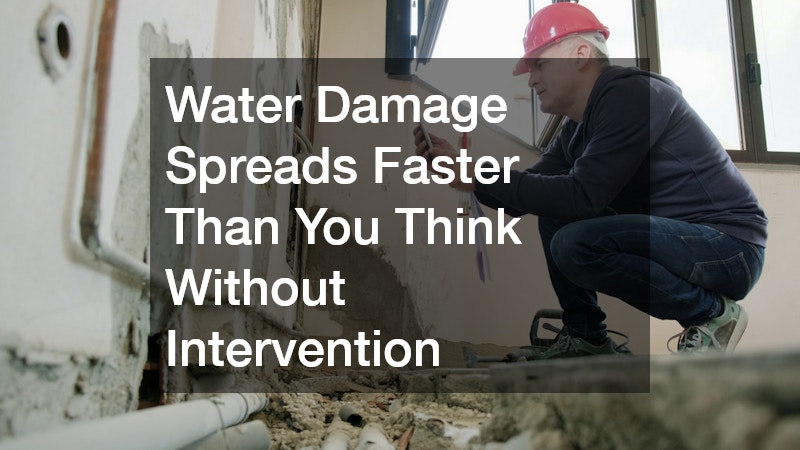
A small water stain on the ceiling or a damp patch of carpet can look like a minor inconvenience, but water rarely stays contained for long. Within hours it can travel through drywall, seep into subfloors, and creep behind walls where you cannot see it. Understanding how fast water damage actually spreads helps you recognize when a quick fix is not enough and when you need to act immediately. This guide breaks down the timeline of water damage and the specific home systems most at risk, so you know exactly where to look and what to do first.
The First 24 to 48 Hours After a Leak
Water damage does not wait for a convenient time to become a crisis. Within the first hour, water begins wicking into drywall, insulation, and wood framing, spreading well beyond the visible wet spot as capillary action pulls moisture upward and sideways through building materials. Carpet padding and hardwood flooring absorb water almost immediately, and any furniture legs or cardboard boxes sitting in the affected area can start to swell or stain within minutes. By the 24-hour mark, mold spores can already begin forming in warm, damp environments, since most household mold species only need moisture, an organic food source, and temperatures above 70°F to establish a colony. This is also when metal fixtures and hardware start to corrode, and untreated wood begins to swell and warp. Odors from trapped moisture behind walls or under flooring often become noticeable around this same window, even if no visible mold has appeared yet. By 48 hours, porous materials like drywall and subflooring often need to be replaced rather than dried out, since they’ve absorbed enough water to compromise their structural integrity and become a long-term breeding ground for mold and bacteria. Insulation loses most of its thermal effectiveness once saturated, and paint or wallpaper typically begins bubbling or peeling as moisture pushes through from behind. Wood trim and cabinetry that seemed fine at hour one may show visible cupping or separation by this point. This is why property owners who catch a leak early and respond within the first day typically face far lower repair costs than those who wait a week to investigate a musty smell. A same-day response might mean simply drying out a wet subfloor with fans and a dehumidifier, while a delayed response often means tearing out drywall, replacing insulation, and treating for mold — turning a few-hundred-dollar fix into a repair bill running into the thousands.
The speed of the spread depends heavily on the source and location of the water. A slow pipe leak inside a wall may go unnoticed for weeks, gradually soaking insulation and framing, while a burst supply line can flood a room in minutes and send water racing across floors and under baseboards. Either way, the clock starts ticking the moment moisture makes contact with building materials. Within the first hour, water begins wicking into drywall, carpet padding, and wood flooring, spreading well beyond the visible wet spot. By the 24-hour mark, drywall can start to swell and warp, and untreated wood may begin absorbing enough moisture to warp or cup. Once you hit the 48-hour window, conditions are often ideal for mold growth, since most mold species only need moisture, warmth, and organic material to take hold. The type of leak also affects how far damage travels. Clean water from a supply line behaves differently than water from a failed appliance hose or an overflowing toilet, which may carry contaminants that complicate cleanup. Location matters too: a leak on an upper floor can migrate downward through ceilings and walls, turning a single-room problem into a multi-room repair job before anyone notices.
- Minute 1-30: water spreads across floors at surprising speed, seeping into grout lines, seams, and baseboards
- Hour 1: standing water begins soaking into porous materials like carpet, rugs, and unsealed wood
- Hours 1-24: drywall, wood, and fabric absorb moisture and start to swell, warp, or discolor
- Hours 1-24: untreated wood floors can cup or buckle as moisture works into the subfloor
- Hours 24-48: mold growth becomes possible, especially in warm rooms above 70°F with poor airflow
- Hours 24-48: metal fixtures and fasteners may begin to tarnish or rust
- Days 3-7: structural elements like joists and studs can weaken, and musty odors become noticeable
- Days 3-7: mold can spread beyond the original leak site into wall cavities and HVAC systems
- Beyond one week: significant repairs, drywall replacement, and possible mold remediation are often required
- Beyond one week: delayed action can also void some homeowners insurance claims if negligence is suspected
Plumbing Leaks Hiding Behind Walls and Under Floors
Not all water damage announces itself with a puddle. Slow leaks inside walls or beneath flooring can persist for months, quietly rotting wood framing and feeding mold colonies before anyone notices a problem. Homeowners often only discover these hidden leaks when they see peeling paint, warped flooring, or an unexplained spike in their water bill. Regularly checking under sinks, around toilet bases, and near water heaters can help catch these issues before they become severe.
When a leak does turn into a bigger plumbing failure, the underlying pipe damage sometimes extends beyond what a homeowner can see or fix themselves. In cases involving cracked or collapsed sewer lines, professional sewer repair is often necessary to stop contaminated water from continuing to seep into the foundation or yard. Addressing the root plumbing issue is just as important as drying out the visible damage, since a home can flood repeatedly if the source is never corrected.
Roof Leaks and Attic Moisture Buildup
A compromised roof is one of the most common entry points for water, and the damage it causes is rarely limited to the attic. Water that enters through damaged shingles or flashing can travel along roof decking and rafters before dripping down into ceilings and walls far from the original leak point. By the time a stain appears on a bedroom ceiling, the water may have already been traveling through the structure for weeks. Scheduling a roof inspection after major storms is one of the simplest ways to catch small problems before they become expensive ones.
Because roofing issues are often difficult to diagnose without climbing up and inspecting the surface closely, many homeowners rely on a professional roofing company to identify weak points such as cracked flashing, missing shingles, or deteriorated seals around vents and chimneys. These professionals can also spot early signs of trapped moisture in the decking that would otherwise go unnoticed until it caused visible interior damage. Catching a roof leak early is almost always cheaper than repairing the water damage it eventually causes.
Attic and Wall Insulation Saturation
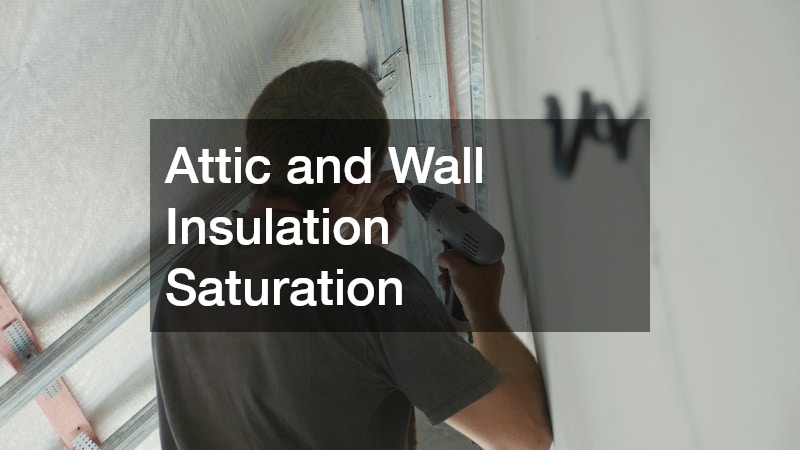
Insulation is designed to regulate temperature, not to handle moisture, and once it becomes wet it often loses its effectiveness even after drying. Saturated insulation can hold water against wood framing for extended periods, accelerating rot and creating a long-term hidden mold risk. In many cases, wet insulation must be removed and replaced entirely rather than dried in place, since compressed or matted insulation rarely regains its original insulating properties.
Homeowners dealing with attic leaks sometimes underestimate how much insulation has been affected because the visible ceiling damage looks minor compared to what is happening above it. Consulting with attic insulation companies after any roof leak or ice dam event can help determine whether the insulation needs full replacement or just spot repairs. Replacing damaged insulation promptly also helps prevent the musty odor that lingers in homes where wet material was left in place too long.
Carpet, Padding, and Subfloor Damage

Carpet and its underlying padding act like a sponge, and once they absorb water, they can stay damp for days even if the surface appears to dry quickly. This trapped moisture creates an ideal environment for mold to grow underneath the carpet where it is completely out of sight. In many cases, the padding needs to be replaced even if the carpet itself can be saved, since padding rarely dries fully once soaked through.
If water sits on carpet and padding for more than 24 to 48 hours, most flooring professionals recommend full replacement rather than attempting to salvage the material. Visiting a carpet store to discuss water-resistant padding options or moisture barrier underlays can be a smart move for homeowners rebuilding after a flood, especially in basements or ground floor rooms prone to leaks. Choosing the right materials the second time around can reduce the risk of repeat damage from future minor spills or leaks.
Kitchen and Cabinet Water Exposure

Kitchens are especially vulnerable to water damage because they combine plumbing, appliances, and cabinetry in a small space. A slow leak under a sink can silently swell the particleboard or plywood base of cabinets long before any warping is visible from the front. Once wood cabinetry absorbs water, it typically swells, discolors, and can develop a musty smell that is difficult to eliminate.
Homeowners replacing water-damaged cabinetry often use the opportunity to upgrade their kitchen layout, and many turn to new kitchen cabinets made with moisture-resistant materials to reduce future risk. Choosing cabinet bases with sealed edges or water-resistant coatings can make a meaningful difference in a kitchen prone to spills or dishwasher leaks. Addressing the water source, whether it is a faulty dishwasher hose or a slow supply line, is essential before installing any replacement cabinetry.
Water Damage to Appliances and Electrical Systems

Appliances located near water sources, such as washing machines, dishwashers, and water heaters, are common culprits of household flooding. When these units fail or develop slow leaks, the damage often extends to the flooring and walls surrounding them before the appliance itself shows obvious signs of failure. Older appliances with worn hoses or seals are particularly prone to sudden ruptures, which is why replacing aging supply lines proactively is a worthwhile investment.
When appliances are damaged beyond repair by water exposure, homeowners looking for an affordable replacement sometimes turn to a used appliance store to find a reliable unit without paying full retail price. It’s worth noting that any appliance recovered from a flooded area should be professionally inspected before reuse, since water exposure can damage internal electrical components even when the exterior looks fine. Separately, homes that lose power during major storms and flooding events often benefit from electrical generator installation, which can keep sump pumps and dehumidifiers running when they are needed most to prevent further water intrusion.
Exterior Drainage and Foundation Protection
Water damage does not only start inside the home; poor exterior drainage is one of the leading causes of basement flooding and foundation cracks. When grading around a home slopes toward the foundation instead of away from it, rainwater collects near the base of the structure and gradually works its way inside through small cracks or gaps. Gutters and downspouts that are clogged or improperly directed can make this problem significantly worse during heavy rain.
Keeping exterior surfaces clean and well-maintained also plays a role in preventing water intrusion, since dirt, algae, and debris buildup can trap moisture against siding and foundation walls. Scheduling regular power washing for driveways, siding, and walkways helps remove buildup that traps moisture and can also reveal small cracks or damaged areas that need attention before they worsen. Addressing these exterior issues early is often far less expensive than repairing interior water damage caused by chronic seepage.
Fencing, Landscaping, and Yard Drainage Issues
Yard features that seem unrelated to home water damage can actually play a significant role in how water moves around a property. Fences installed without proper attention to grading can inadvertently create dams that trap water against a home’s foundation or in low-lying areas of the yard. Over time, this trapped water saturates the soil, increases hydrostatic pressure against basement walls, and raises the risk of leaks or cracks.
Homeowners planning new fencing or replacing storm-damaged sections should discuss drainage patterns with a fence company before installation begins, since small design adjustments like gaps at the base or strategically placed drainage channels can prevent water pooling. This is especially important for properties in low-lying areas or regions with heavy seasonal rainfall. Thinking about water flow during the planning stage is far easier than correcting a drainage problem after a fence is already installed.
Building Water Resistant Features Into New Construction
For homeowners planning a new build or a major renovation, water damage prevention can be designed into the structure from the very beginning rather than addressed after the fact. Elevated foundations, properly sloped grading, and strategically placed drainage systems all reduce the likelihood of water intrusion long before a home is ever lived in. Working with custom home builders who prioritize moisture management from the design phase can save significant money and stress over the life of the home.
Materials selection also matters, since some flooring, insulation, and framing products handle occasional moisture exposure better than others. Homeowners building in flood-prone areas or regions with high humidity should ask specifically about water-resistant material options during the planning process. Taking these precautions during construction is almost always more cost-effective than retrofitting a finished home after water damage has already occurred.
Water damage moves faster and reaches further than most homeowners expect, often affecting areas of the home that are completely out of sight until the damage is severe. The good news is that most water damage scenarios follow predictable patterns, which means early inspection and quick action can dramatically reduce repair costs and health risks. Whether the issue involves a hidden plumbing leak, a damaged roof, or poor yard drainage, addressing the source quickly is always more effective than waiting. Taking a proactive approach today, from checking under sinks to inspecting exterior drainage, can save significant time, money, and stress down the road.
